
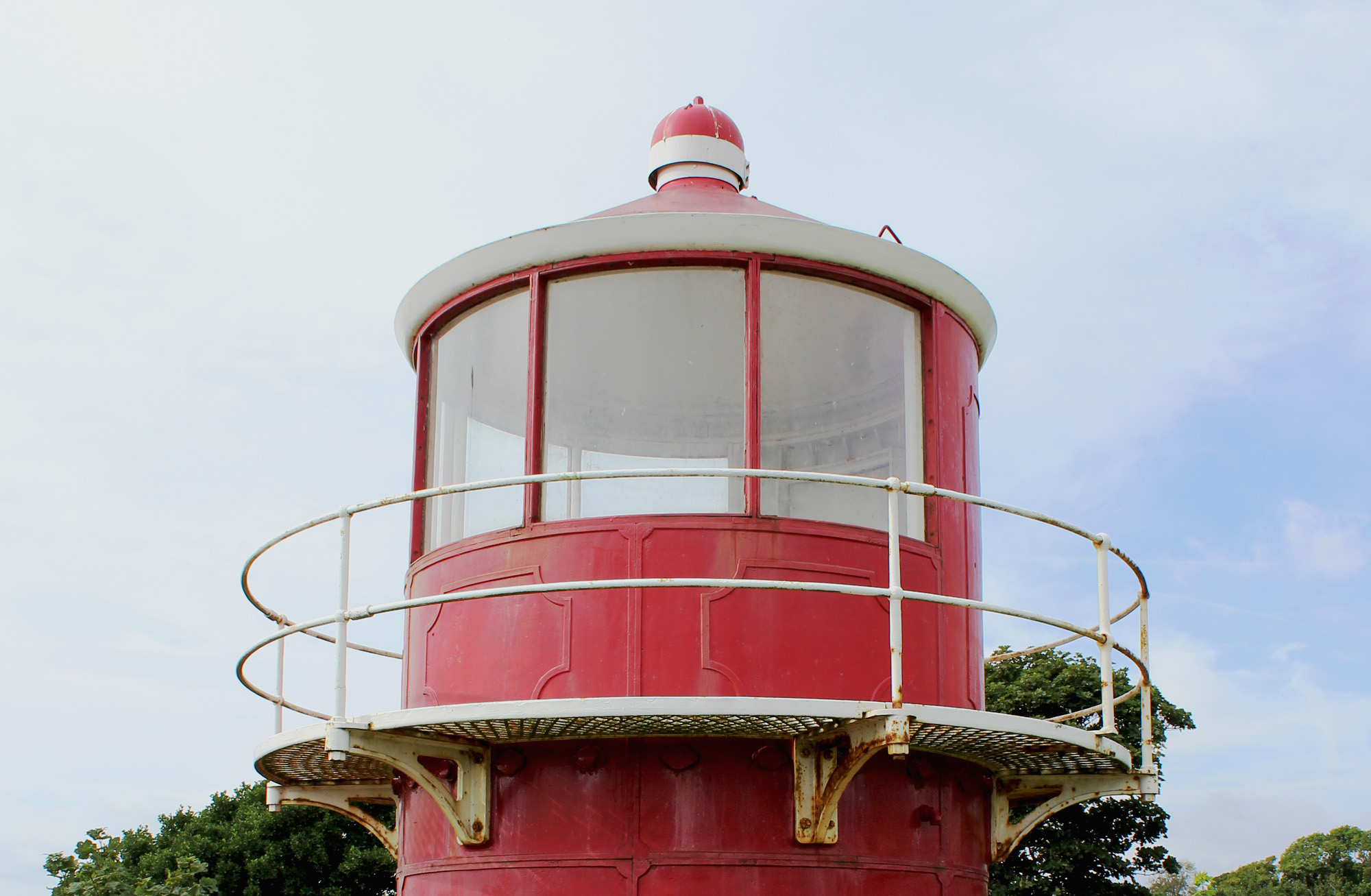
This is Arbroath’s ‘mini lighthouse’, an historic beacon that once guided seafarers safely around the coast at Whitehill, near Vatsetter, on the Shetland island of Yell. Replaced in 2001, it now welcomes visitors (those travelling by road and rail rather than sea) to the Angus town, standing adjacent to the A92 at Elliot, on the town’s southern entrance.
Known as a Minor Light, the structure was originally erected at Whitehill in 1880 by the Northern Lighthouse Board. It was an unmanned navigation beacon, flashing a white light out to sea every three seconds. It was replaced in 2001 by the current more modern, utilitarian and angular structure. The old lighthouse, which was designed by brothers and business partners David and Charles Stevenson, was dismantled and moved to the Museum of Scottish Lighthouses in Fraserburgh before being acquired by Angus Council in 2011.
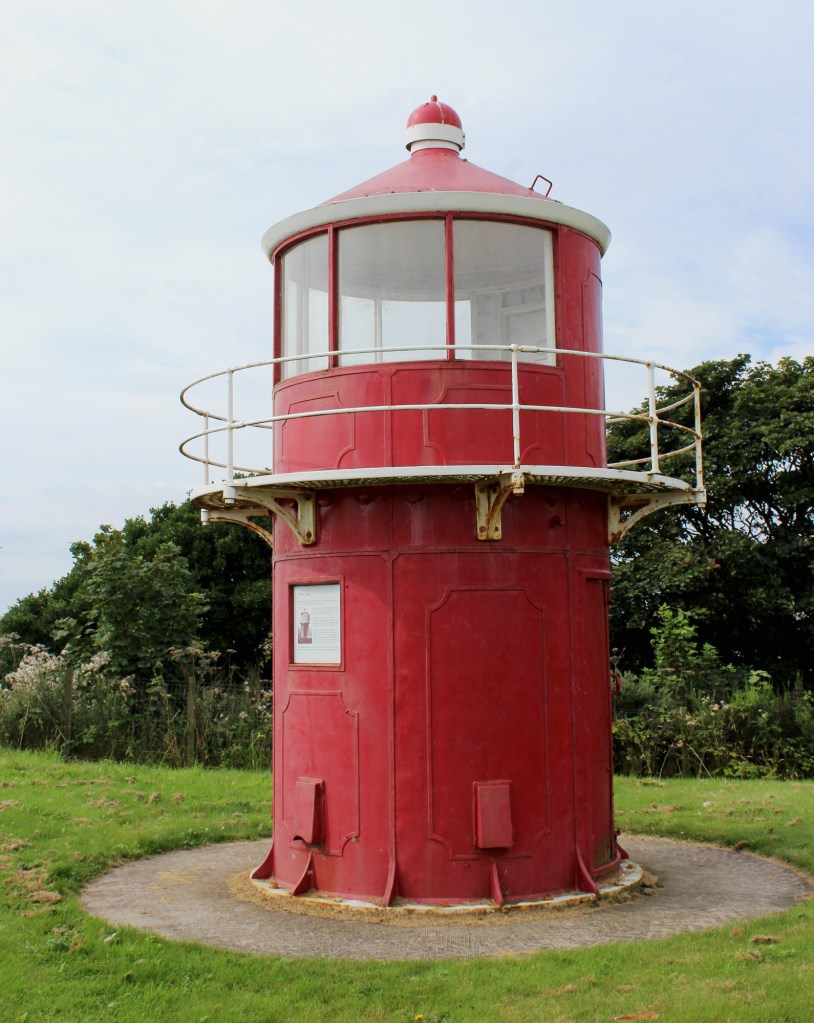
The council rebuilt it at Elliot to mark the Year of the Light, the 200th anniversary of the Bell Rock Lighthouse, which is located 11 miles off the Arbroath coastline. The lighthouse is regarded as one of the great triumphs of civil engineering, mitigating what was once one of the most perilous shipping hazards in the North Sea. Built by Robert Stevenson between 1807 and 1811, the 35-metre tower sits on a treacherous reef that is submerged by up to four metres of water at high tide. The world’s oldest working sea-washed lighthouse, it is now unmanned but continues in service.
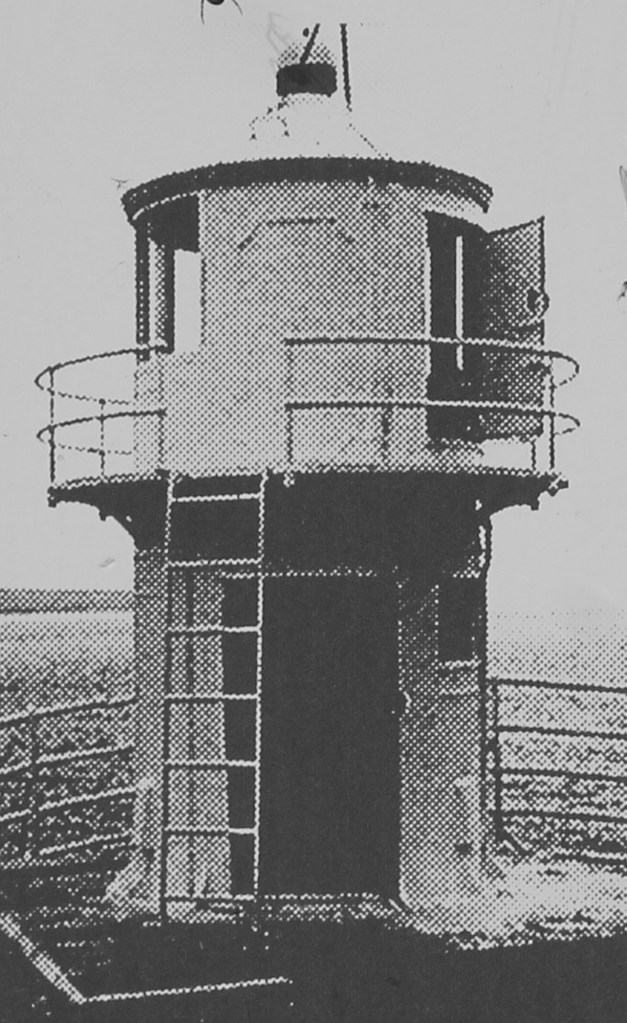
At just four and a half metres in height, the mini lighthouse is dwarfed by its more famous counterpart, but it is one of only two of its type surviving. In 1914, there were 68 Minor Lights dotted around the coast of Scotland, all playing a vital role in ensuring the safety of coastal shipping. It was refurbished in 2018.
If you have enjoyed this article, you might like to PayPal.me or buy me a coffee, which helps support the site and funds new content.


