
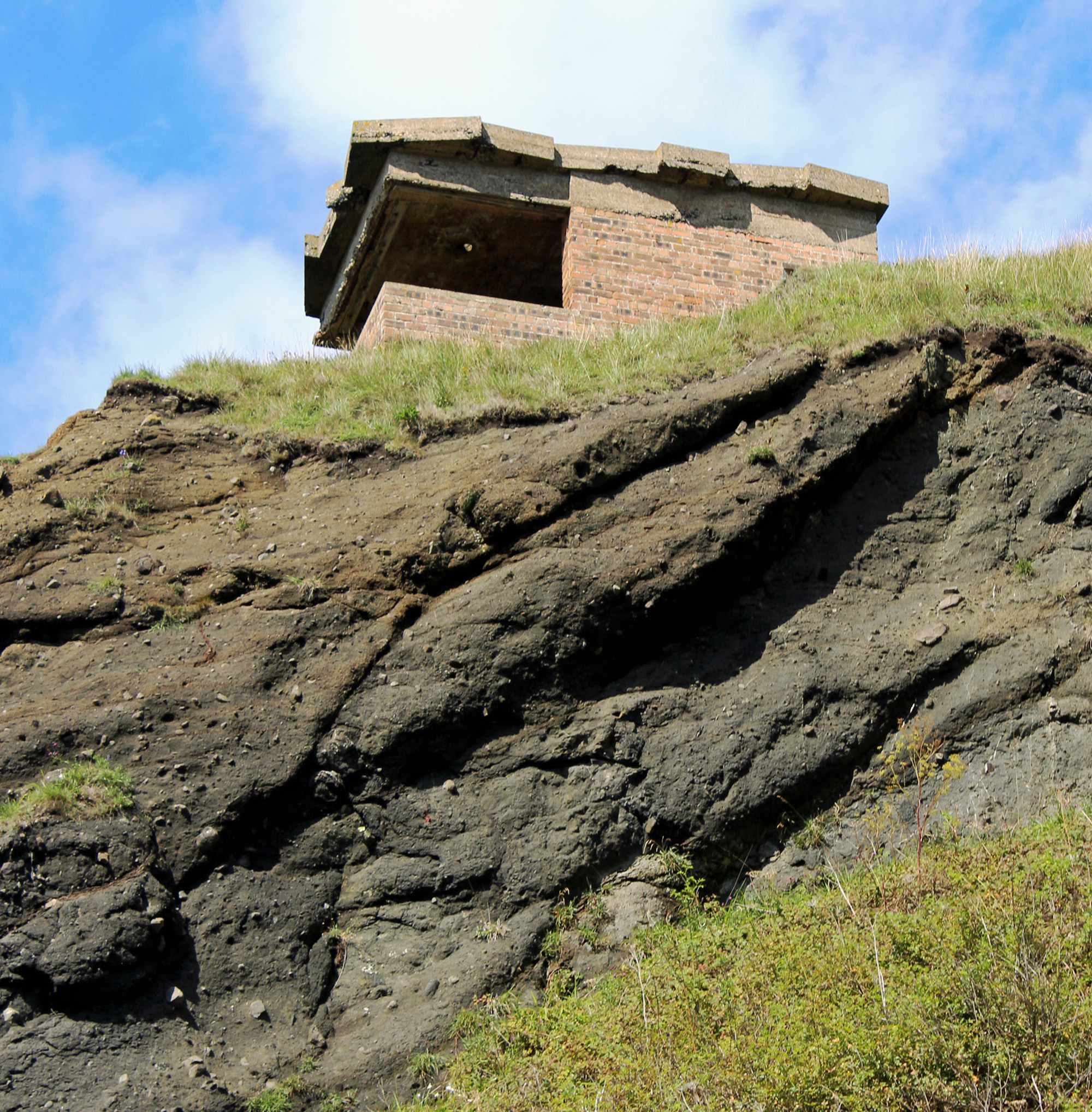
Kincraig Point is a prominent headland in north-east Fife that projects into the Firth of Forth, a couple of miles west of the coastal towns of Elie and Earlsferry. It is well known for its coastal geology and is regularly visited by thrillseekers drawn to the Elie Chain Walk, a unique and challenging via-ferrata-style scramble featuring fixed chains and carved footholds that can only be completed at low tide.
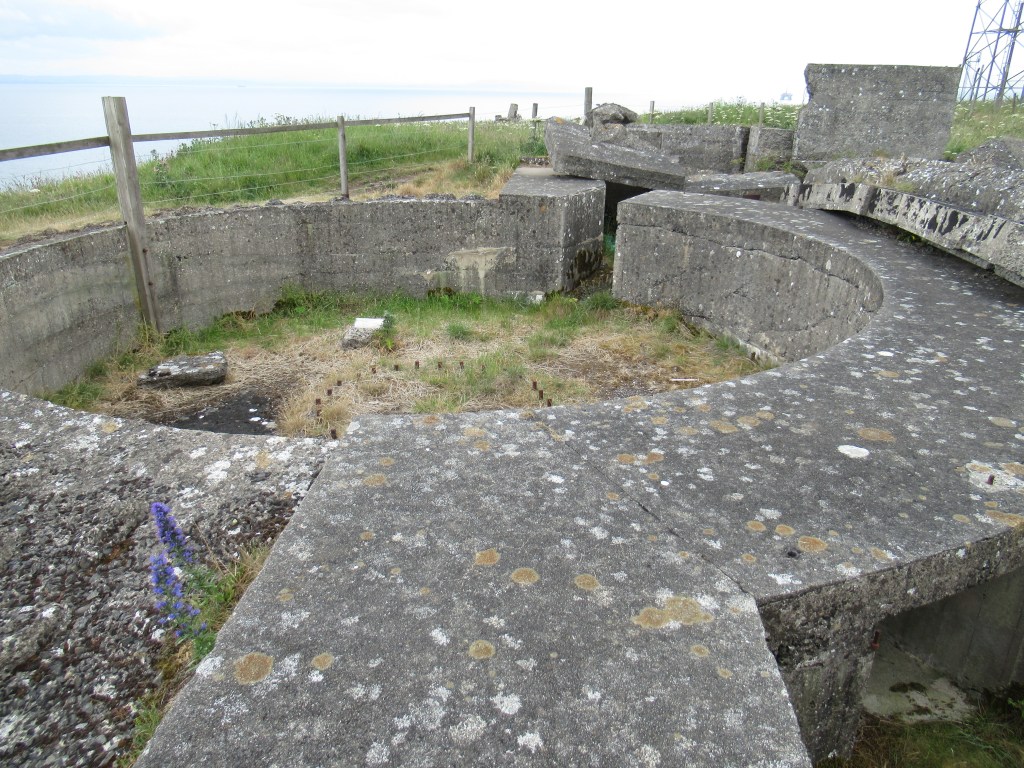
Above this, Kincraig Hill rises to a modest 63 metres above sea level, and this elevation, combined with its uninterrupted views across the Forth Estuary, attracted military interest during the Second World War. As part of the Forth Defences, designed to protect Allied shipping on the river and the naval dockyard upstream at Rosyth from enemy attack, a coastal artillery battery was hastily constructed atop the hill.
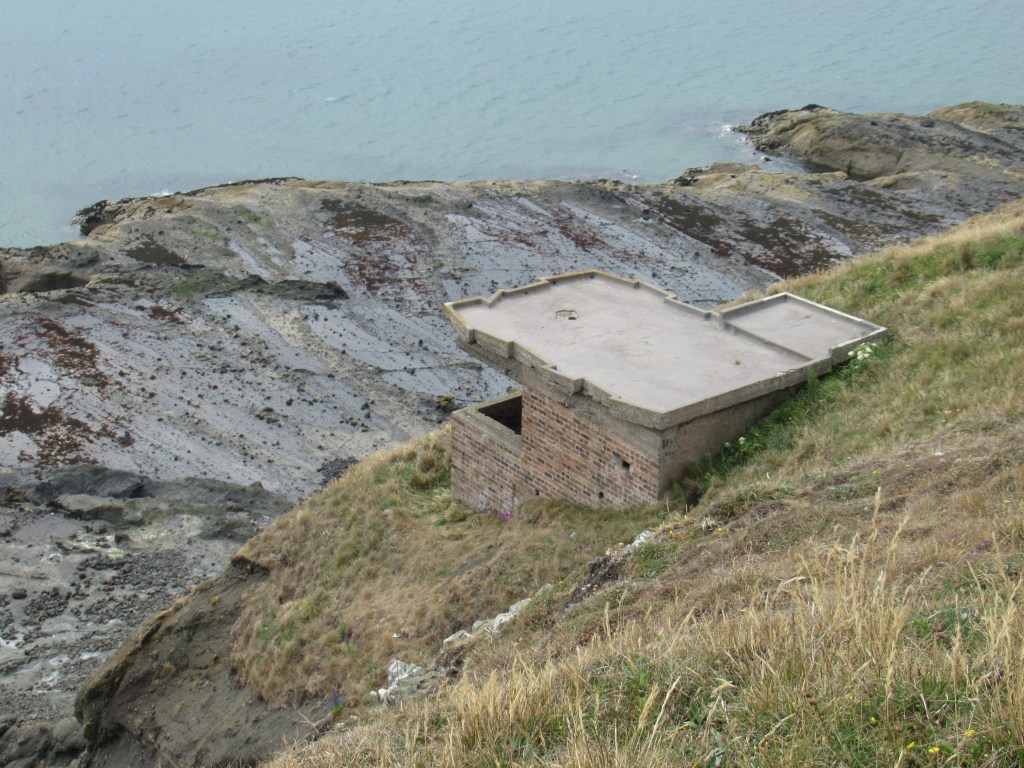
An integral part of the outer line of defences, Kincraig battery was commissioned in 1939, partly in response to a Luftwaffe raid on cruisers moored in the river in October of that year. While many of the other defence positions on the Forth saw service during the First World War, Kincraig was added during the Second World War as part of a move to extend the line downstream. Three concrete gun emplacements were sunk into the ground, and these were accompanied by a radar site and observation post, searchlight posts, ammunition stores and a small military camp to house the soldiers stationed here.
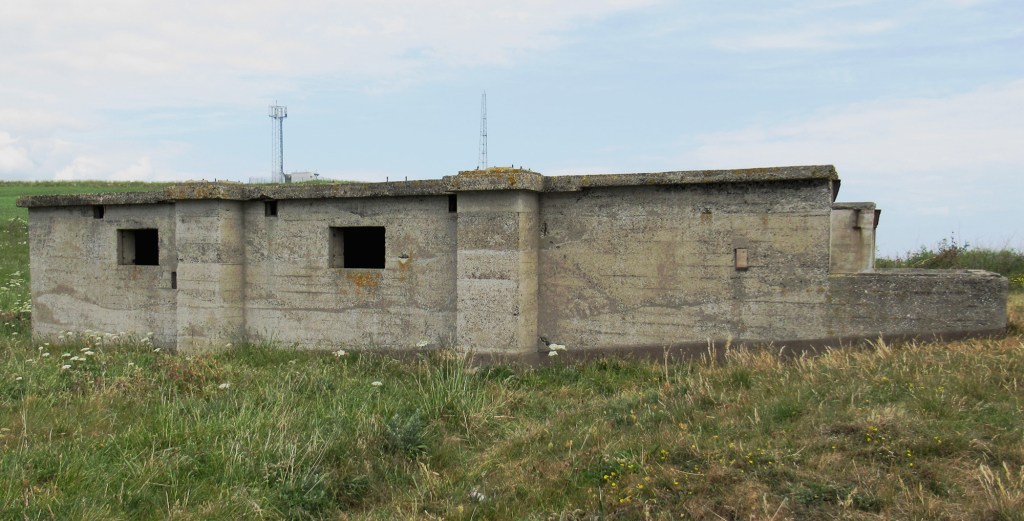
Most of the operational buildings were built of brick and concrete, while the accommodation camp most likely featured corrugated-iron and wooden structures. The medium-calibre battery was rushed into service in 1940 with two 6-inch Mk VII/II guns which were installed in 1939 and replaced in 1942 by Mk VII/v guns. The battery was altered again in 1943, with the existing guns replaced by three 6-inch Mk XXIV/v guns, equipped with radar-aiming systems.
Around 200 men were stationed at Kincraig, 15-man crews operating each of the guns around the clock in shifts, every day of the year. Accommodation was provided in huts located lower down the slope on the west side of the headland, below the ammunition stores (brick-built huts). All traces of the camp have now gone.

Following the end of the war, the site, in common with other coastal defence posts, was retained for several years before the military left and the armaments were removed in 1956.
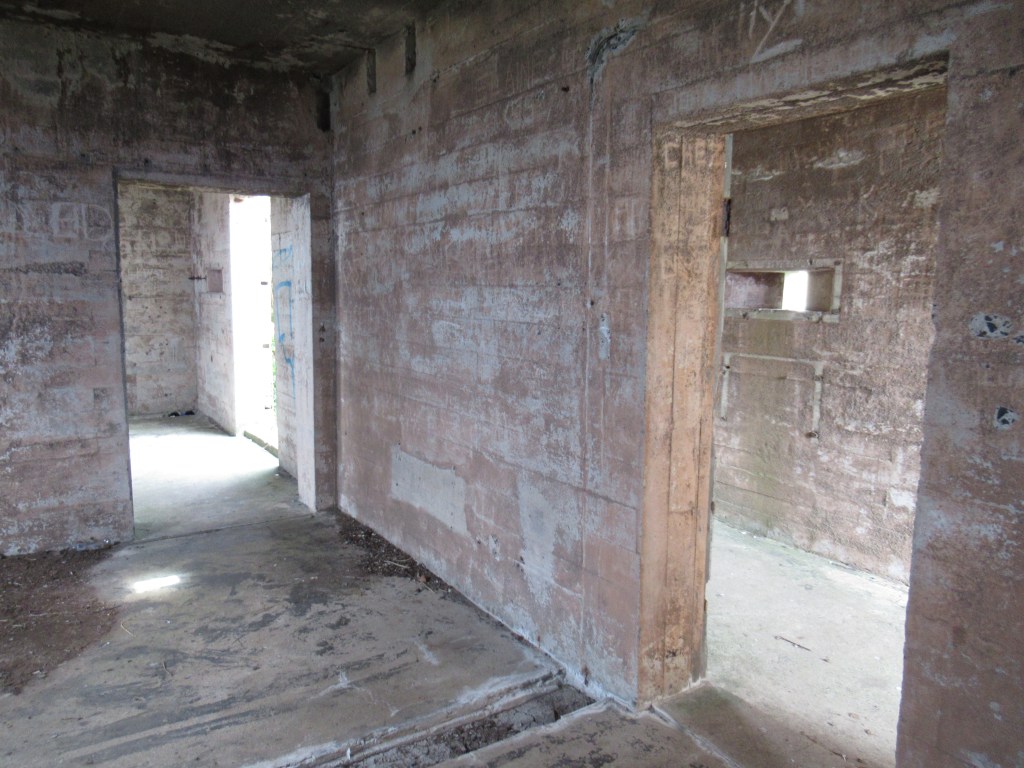
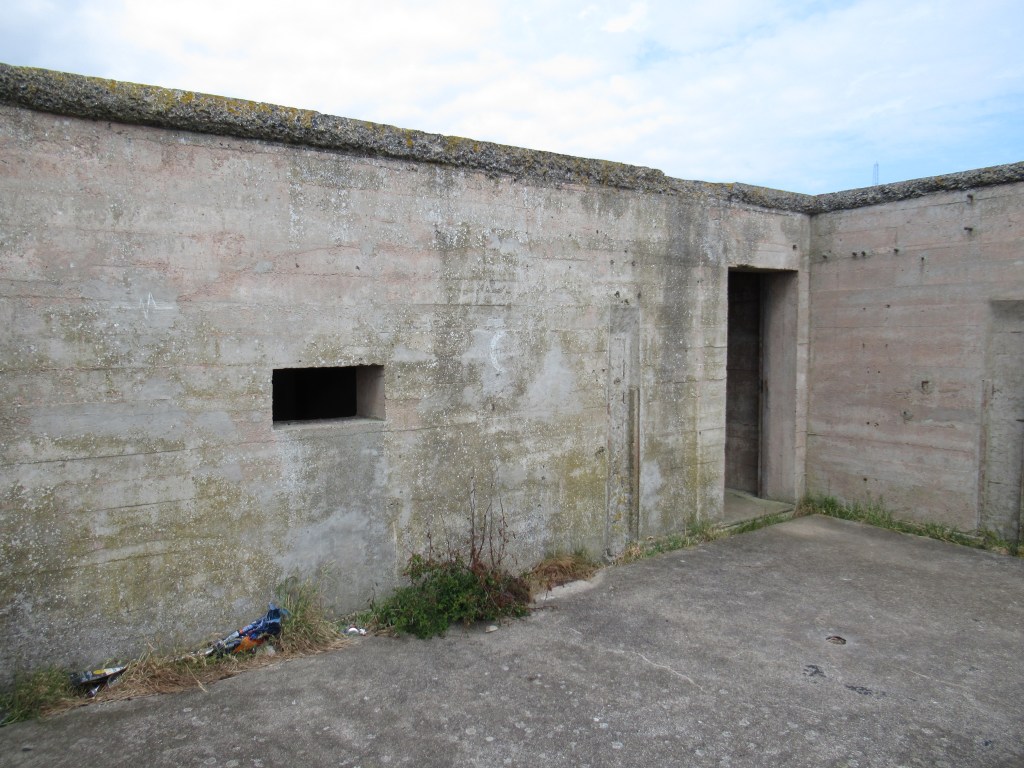
The gun pits, despite obvious attempts to demolish them, remain the most visible evidence of the old battery, sitting below more modern telecommunication masts. To the west, down the slope, the radar observation post and transmitter/receiver (Tx/Rx) block still stands, empty and abandoned, while, on the steep slope below this, there is a searchlight platform embedded into the cliff. There are also the remains of a gate at the eastern end of the base, part of the old perimeter fence.
Kincraig Point can be accessed on foot from Earlsferry, in the east, or Shell Bay, to the west, following the Fife Coastal Path up and over the headland. There is a helpful information board detailing the battery on the approach from Earlsferry. Other remnants of the Forth Defences can be visited at Charles Hill Battery, Inchcolm Island and Braefoot Point.
If you have enjoyed this article, you might like to help with a future research project or PayPal.me or buy me a coffee, which helps support the site and funds new content.


