
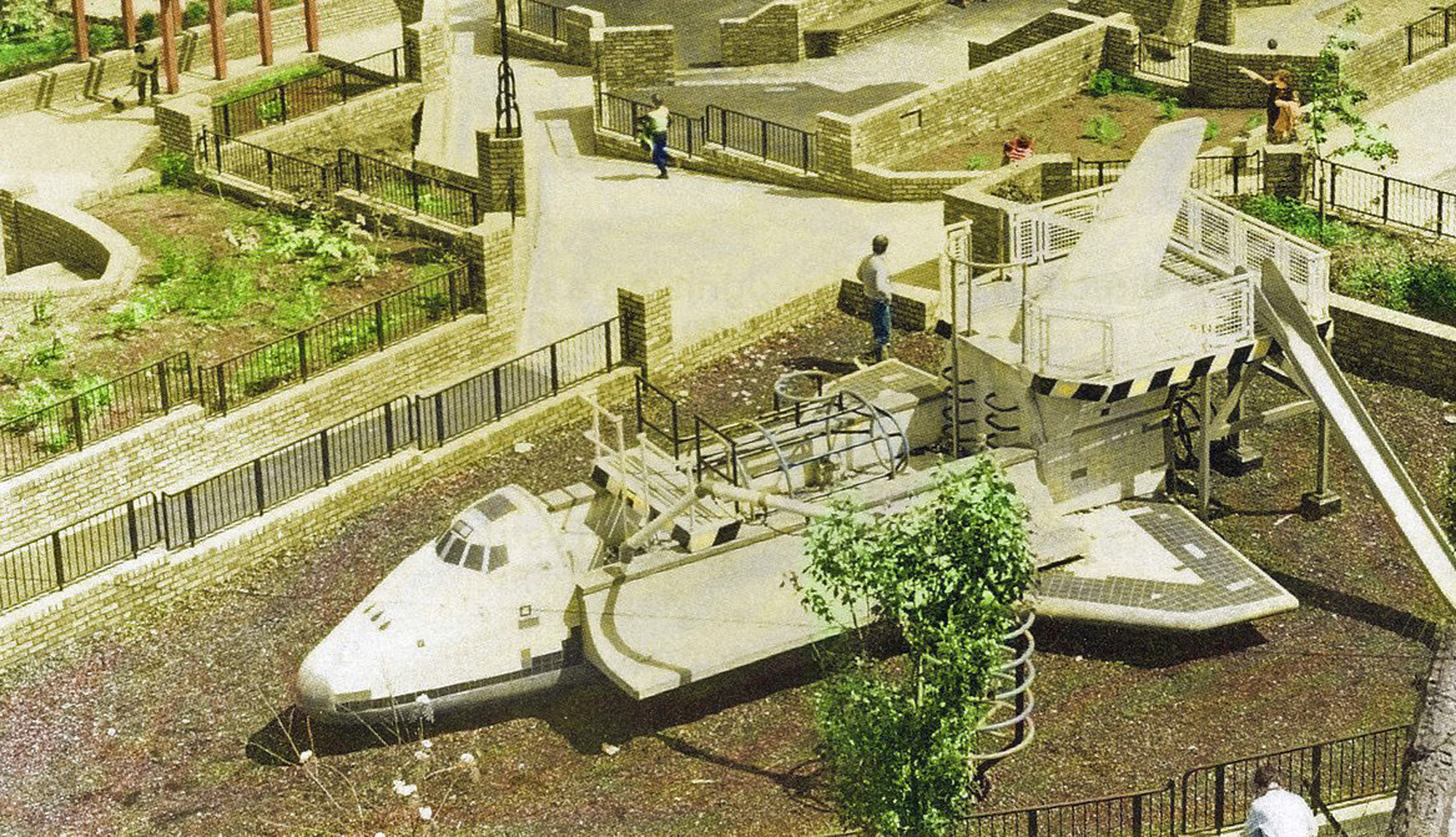
Dundee’s lost space shuttle park was a unique and creative play area for children developed by Dundee District Council in the 1980s. It featured conventional play equipment alongside a replica space shuttle at a time when NASA’s shuttle programme was very much in the news. Connections with Dundee included the shuttle Discovery, which shared its name with Dundee’s City of Discovery regeneration and was adopted by the city.
The space-themed park, with a concrete replica of the space shuttle at its centre, was developed as a novel way of filling a parcel of derelict land close to Lochee Road. While more conventional play equipment for children was housed within small walled areas, the main attraction was the shuttle, which was aimed at 7 to 11-year-olds and incorporated a climbing frame in the open payload bay and a slide descending from the tail fin.
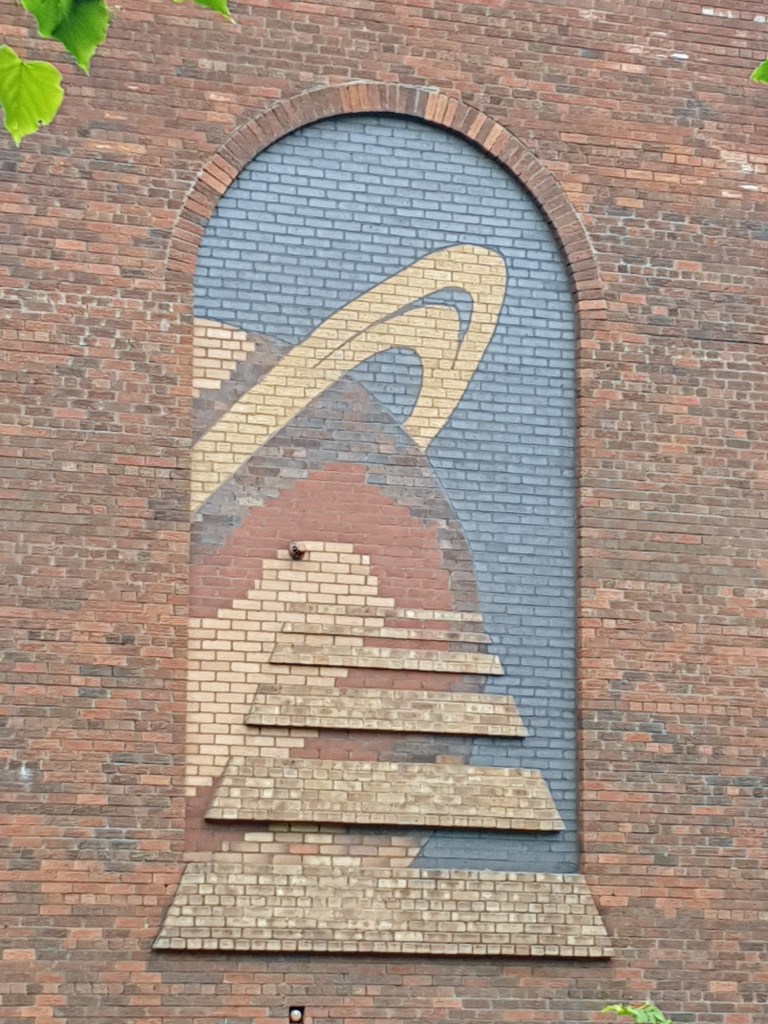
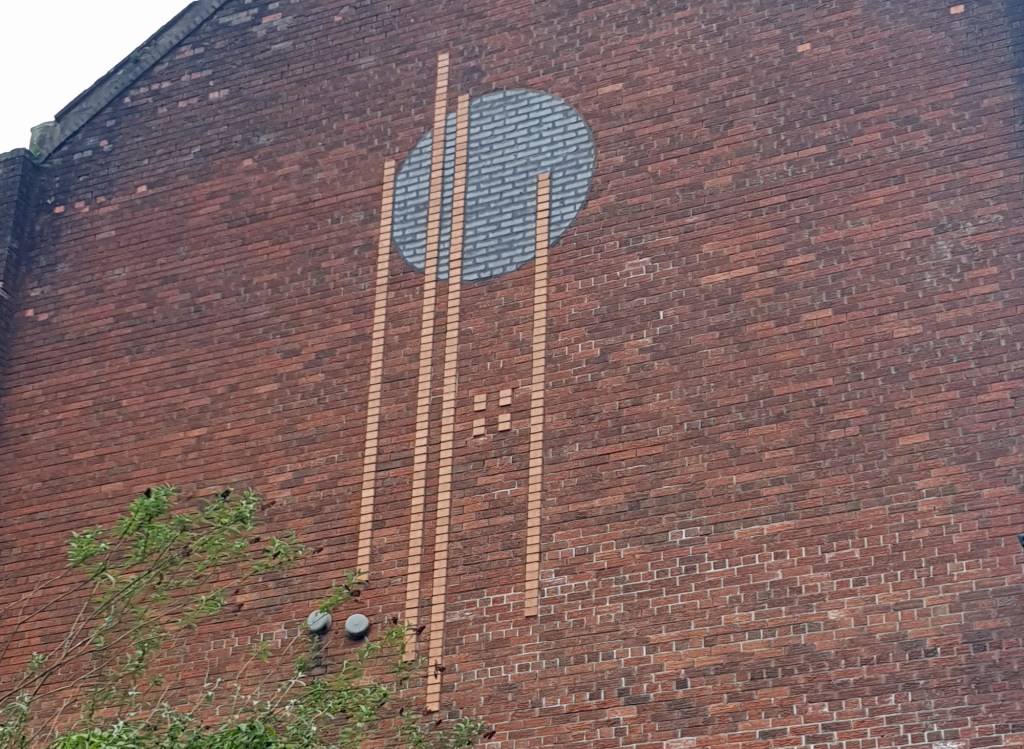
Named Pleasance Play Park, the project included two large brick gable murals created by John Gray, who worked for the council’s engineering department. These were attached to the ends of tenement buildings overlooking the site, one on Lochee Road and the other on Cleghorn Street.
The land was originally the site of Logie House, a two-storey mansion dating from the 17th century, which was demolished in 1908 to make way for city expansion. Thereafter, the ground was briefly worked as a quarry, providing stone for the construction of new factories, streets and tenements in the area.
Pleasance Play Park was jointly funded by the council, the Scottish Development Agency and Manpower Services Commission, which provided much of the labour. It opened in the summer of 1987 and was reportedly a huge hit with local youngsters while adults enjoyed wandering around the ornamental gardens. Such was the success of the park that it won a number of national design awards.
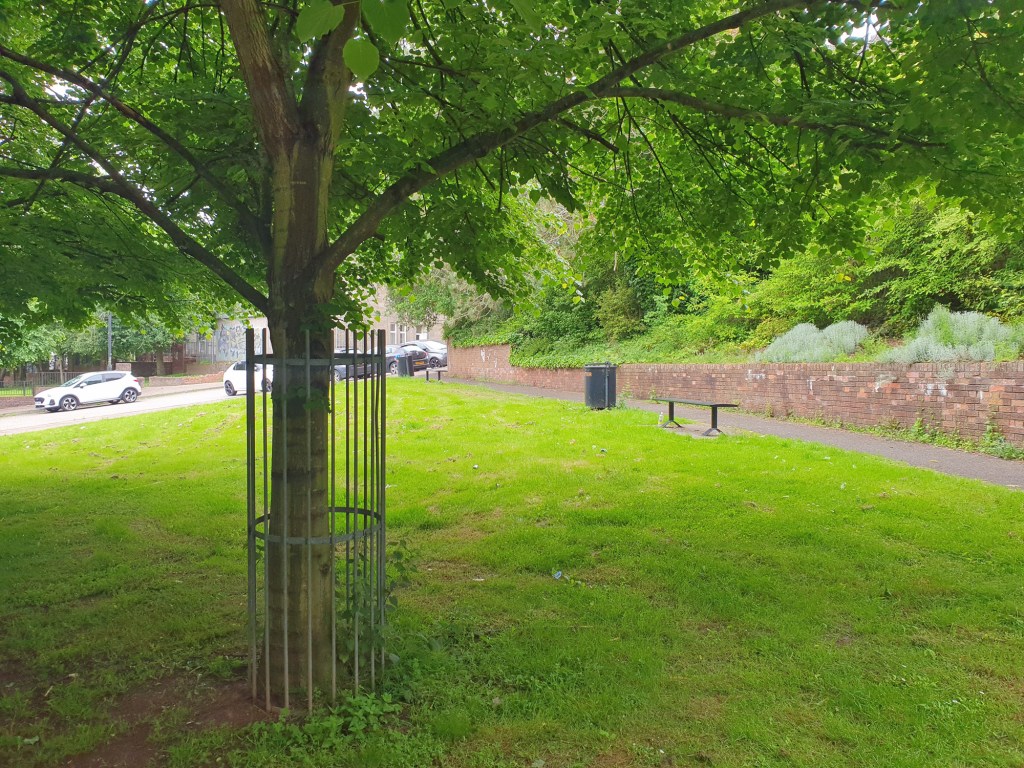
However, this success was short-lived. In the early 1990s, the park was frequently targeted by vandals, resulting in costly repair bills for the council. The shuttle replica is thought to have survived until 2001, when it was removed, along with other features of the park. The area is still a public park today, although the only remnants of its space theme are the two brick murals.
If you have enjoyed this article, you might like to help with a future research project or PayPal.me or buy me a coffee, which helps support the site and funds new content.


