
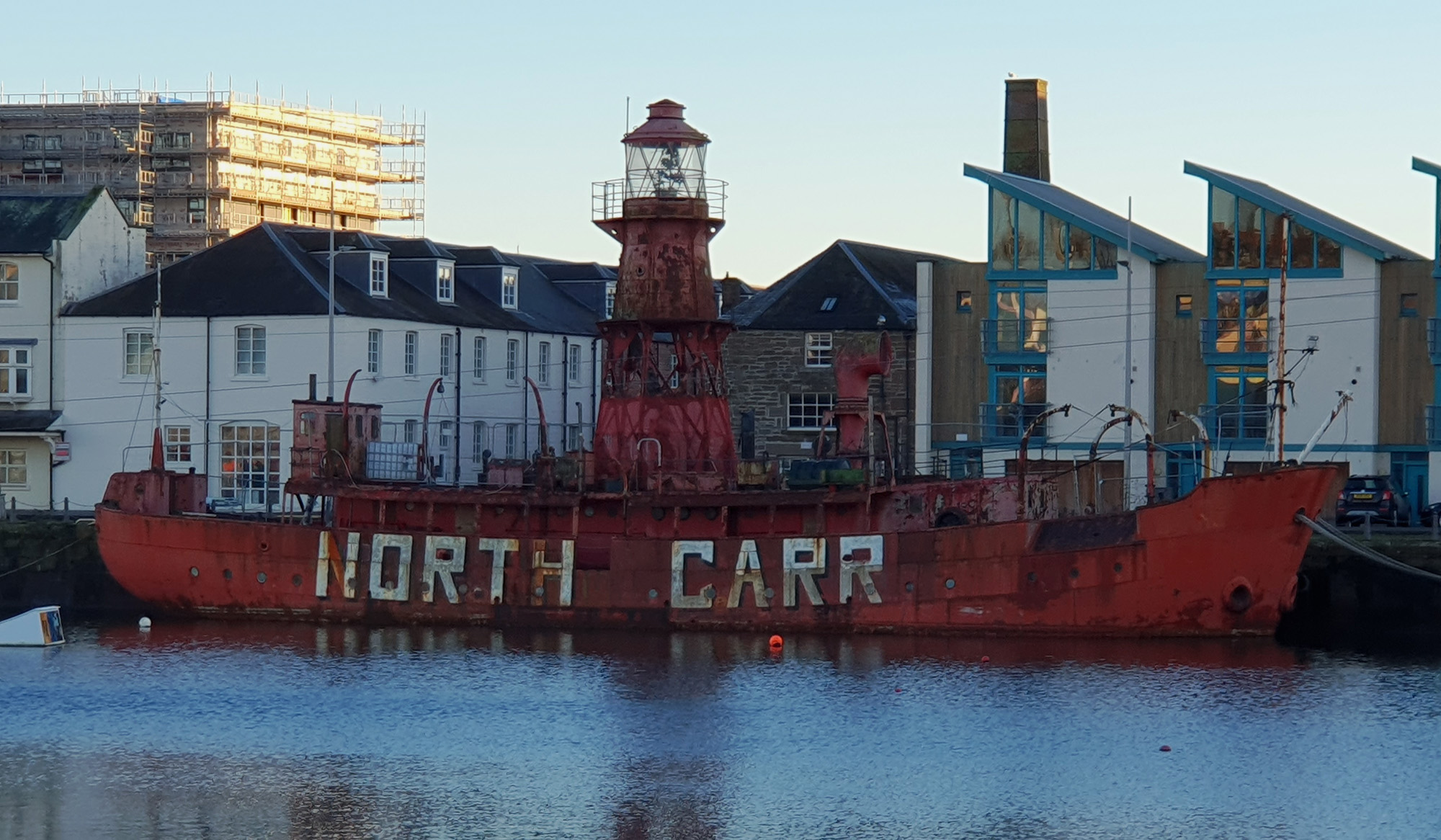
Currently berthed in Dundee’s West Victoria Dock, the North Carr is Scotland’s last surviving lightship. However, her future was thrown into doubt towards the end of 2023 when her owners, the charity Tay Maritime Action (Taymara), announced that, without the funds available for a much needed full restoration, her fate was sealed and she would be taken apart, once all salvageable artifacts had been removed. Her lifeboats were removed two years ago for restoration.
The 90-year-old vessel arrived in Dundee in 2010 amid hopes she would become a popular waterfront visitor attraction, alongside RRS Discovery and HMS Unicorn. However, that dream never materialised and, despite the best efforts of her owners, she has sat slowly deteriorating for over a decade. A bid to completely restore the vessel – Project NC 100 – over five years was launched but it has yet to come to fruition.
Over time, efforts have been made to patch the North Carr up, volunteers sealing leaks in the steel hull and patching over the cracks. However, Taymara say the time has now come when no more can be done and there is a danger that the proliferation of leaks will become unsustainable, with potentially dire consequences. There is a real fear the vessel may simply sink on to the floor of the harbour.
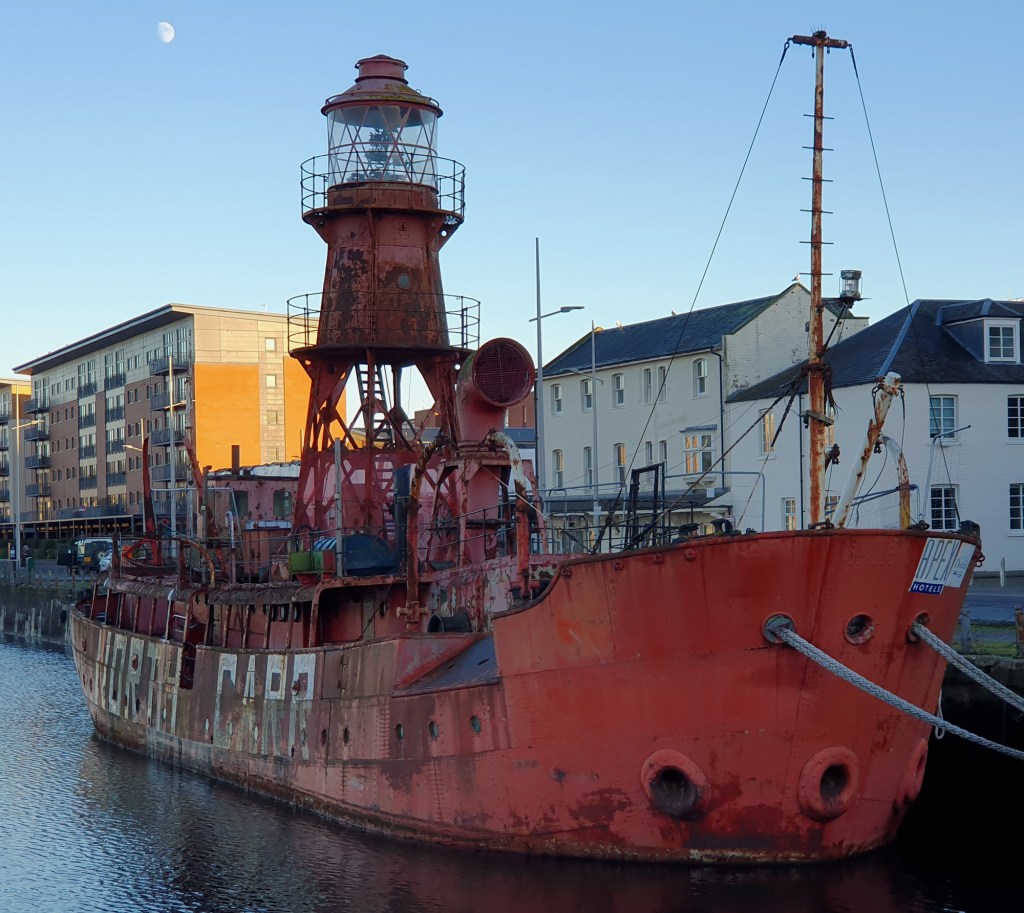
The charity warned that deconstruction could begin as early as January 5, 2024, but, come the end of the month, and the North Carr remains in situ, a shadow of her former self as she awaits her fate. There has, however, been no good news.
The North Carr has a checkered history and was involved in one of Scotland’s worst lifeboat tragedies. Designed by David A Stevenson, she was commissioned by the Northern Lighthouse Board and built by A & J Inglis Ltd, at Pointhouse Shipyard, Glasgow. Completed in February 1933, she was towed round the country to Granton, on the Firth of Forth, for equipping and final tests before being anchored in the North Sea off Fife Ness. Her role was to protect shipping travelling between the Forth and Tay estuaries from the dangerous North Carr rocks, a sandstone reef located a mile and a half off the Fife coast.
She replaced two earlier wooden lightships, the first, loaned from Trinity House, stationed at North Carr in June 1887. Two years later this was replaced by a purpose-built vessel constructed by Alex Stephen & Son, of Dundee.
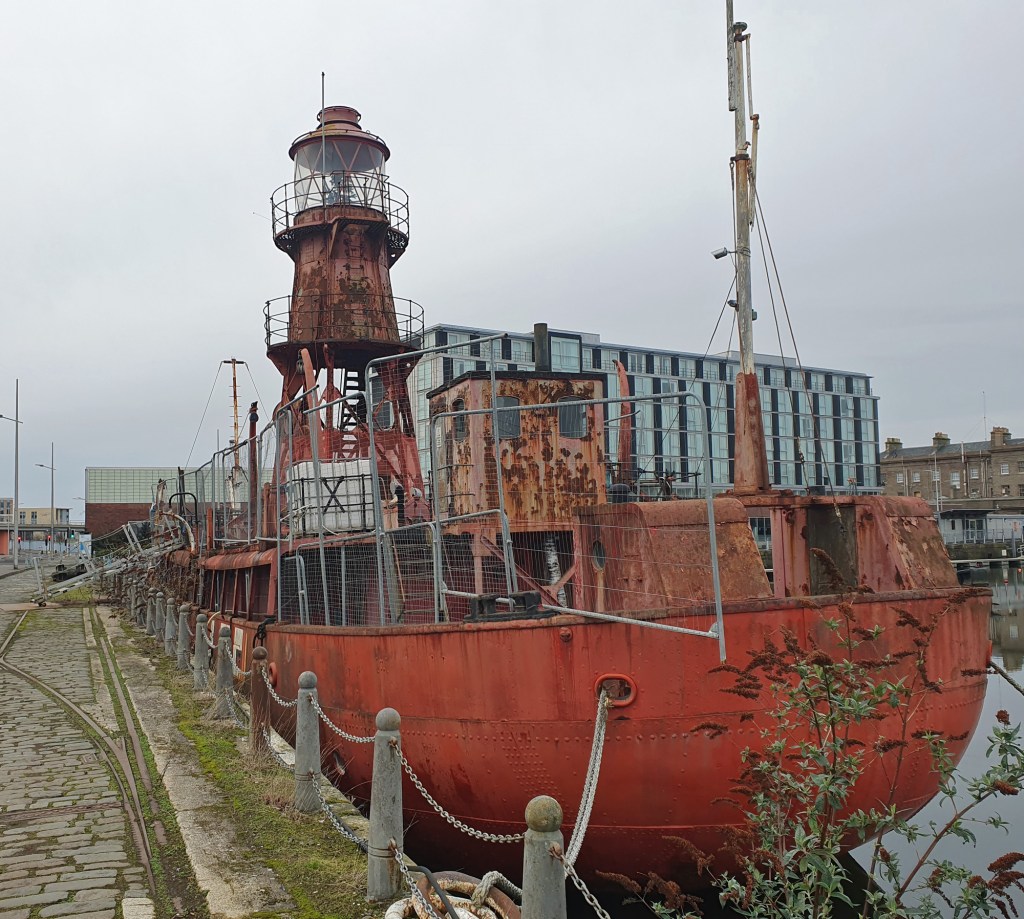
The vessel had no engines of her own so had to be towed on and off station where she was anchored in place. Within her steel hull there were fuel tanks, three generators to power the light and other electrical services, and three compressors for the foghorn. The lightship had a crew of 11 although only seven were onboard at any one time. The men spent a month on the boat with two weeks’ shore leave.
The North Carr was one of two lightships stationed off the coast of Fife. The other was the Abertay, which protected vessels from the extensive Abertay Sands at the mouth of the Tay Estuary. The first Abertay lightship was a wooden vessel built in Arbroath in 1877. She was replaced by a steel vessel built by the Caledon Shipyard, in Dundee. This remained in service until 1984 and was scrapped in 1992.
During the Second World War, North Carr moved west and was moored between the Mull of Kintyre and Mull of Galloway as a beacon for convoy ships entering the River Clyde. After the war, she returned to Fife and, in 1952, was refitted with new generators and compressors.
Seven years later, disaster struck. During the night of December 8, 1959, a strong south-easterly gale blew over the North Sea. Caught in the storm, the North Carr lost her mooring and was rolling and pitching heavily. With no power of her own, she was unable to respond to the winds and swelling sea and drifted towards the rocks. The crew attempted to secure their anchor but, for four hours, the vessel drifted. Flares alerted the coastguard to the emergency and the only local lifeboat able to respond was the one at Broughty Ferry, The Mona, which put to sea at 3am with a crew of eight men.
Battling the waves, the lifeboat left the Tay estuary, entering open water where the crew turned south, spotting the North Carr’s distress flares. A last radio message was transmitted at 4:48am. In the meantime, the crew of the lightship managed to drop another anchor and finally secured the vessel. They were taken ashore by RAF helicopter.
The crew of The Mona was less fortunate. Later in the morning she was found by the coastguard washed ashore at Buddon Ness. The bodies of seven of the crew were found with the vessel, but one has never been found. It was later determined that the boat had capsized in the severe weather.
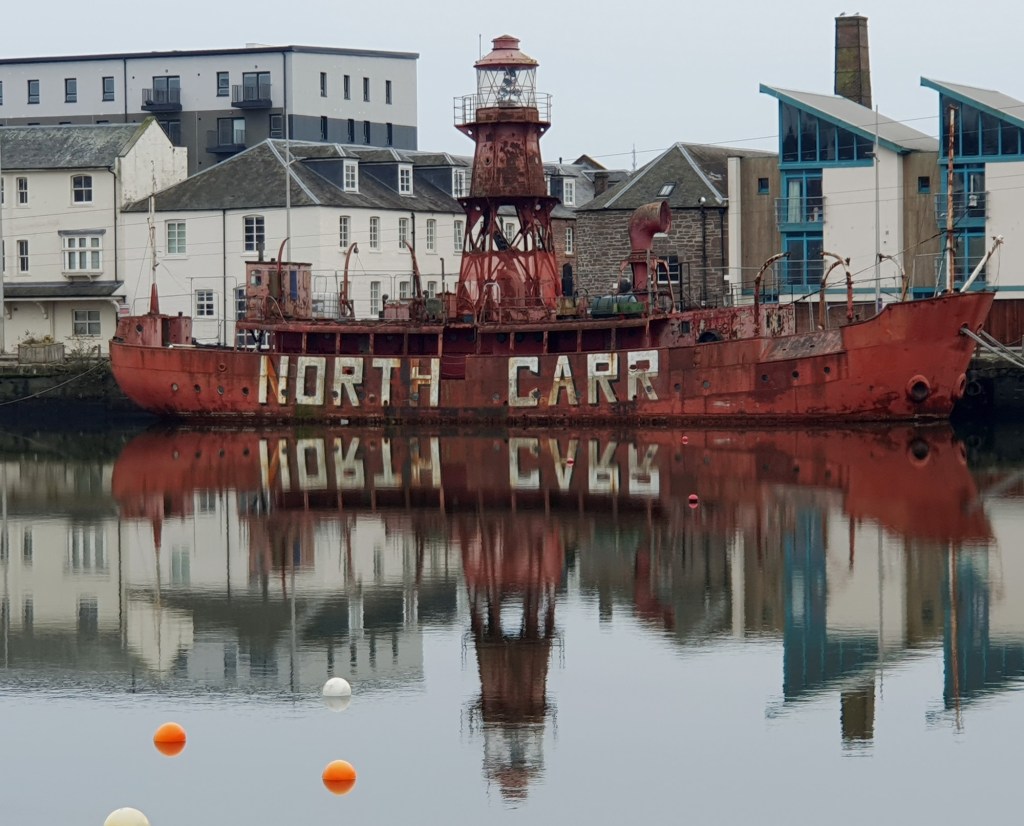
The North Carr remained in service until 1975 when she was replaced by a low lighthouse at Fife Ness and the Cardinal Mark E North Carr Buoy. The vessel was towed to Leith and was due to be scrapped. However, she was purchased by North East Fife District Council the following year and opened as a museum berthed in Anstruther Harbour in 1977. The museum closed in 1989 and re-opened in 1992. However, in 1995 North Carr was sold to Dundee City Council and then to Taymara in 2010. She is registered as a national historic vessel, but only time will tell if she can dodge the scrappers a second time around…
If you have enjoyed this post, and others on the site, you might like to buy me a coffee which helps support the site and funds new content.


