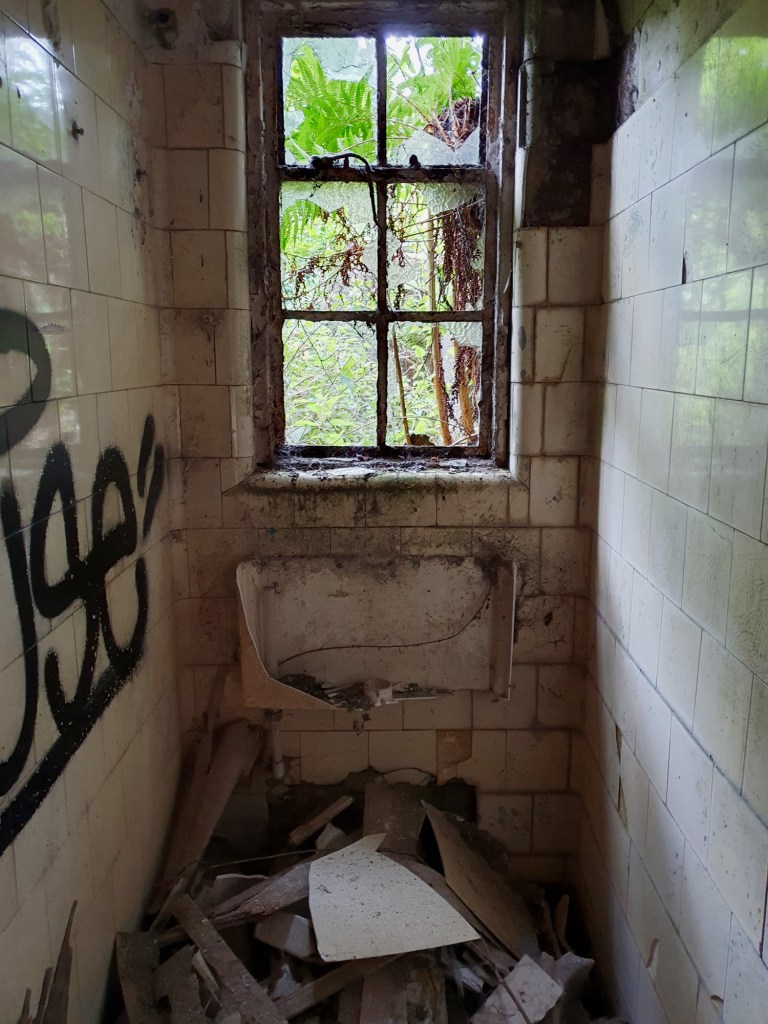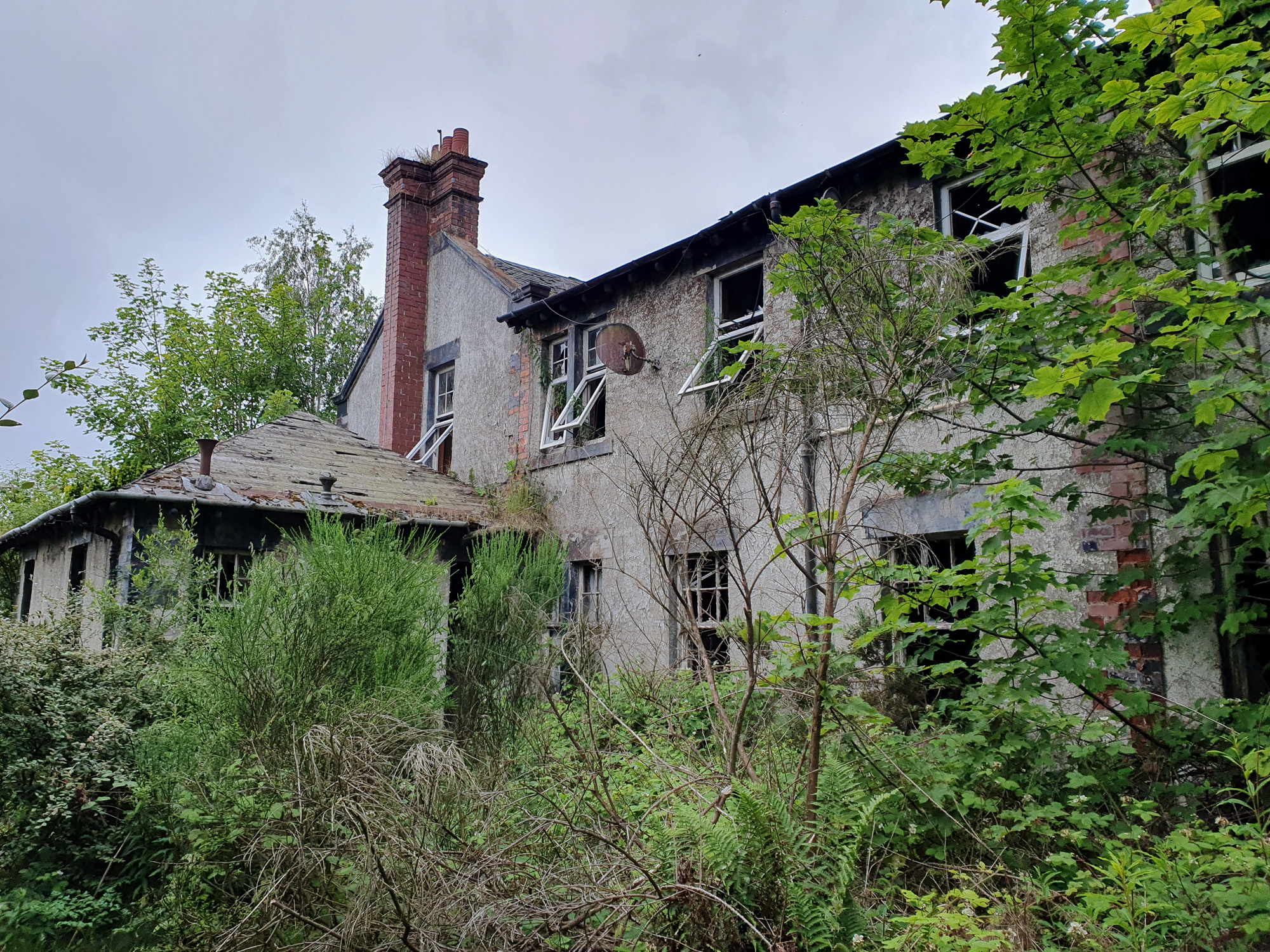
Located in a remote spot two miles west of the Fife village of Thornton, Thornton Fever Hospital – officially Kirkcaldy District Infectious Diseases Hospital – opened its doors in 1902 as an isolation hospital.
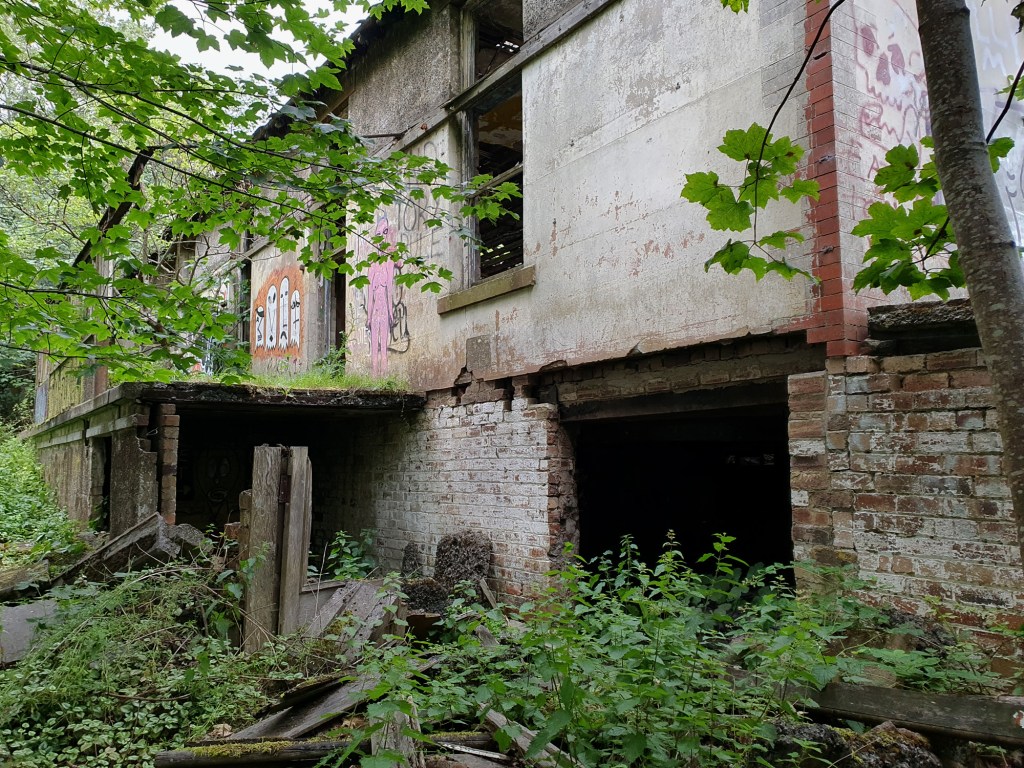
It was intended to receive and treat patients from both the Kirkcaldy district and the burghs of Lochgelly, Markinch, Leslie, Buckhaven, Methil and Dysart but, over the years, developed to admit patients from across the Kingdom and from further afield. In later years it served as an asylum, housing mentally defective adults and then children before closing its doors as a hospital in the 1960s and re-opening as a boys’ school and then hotel.
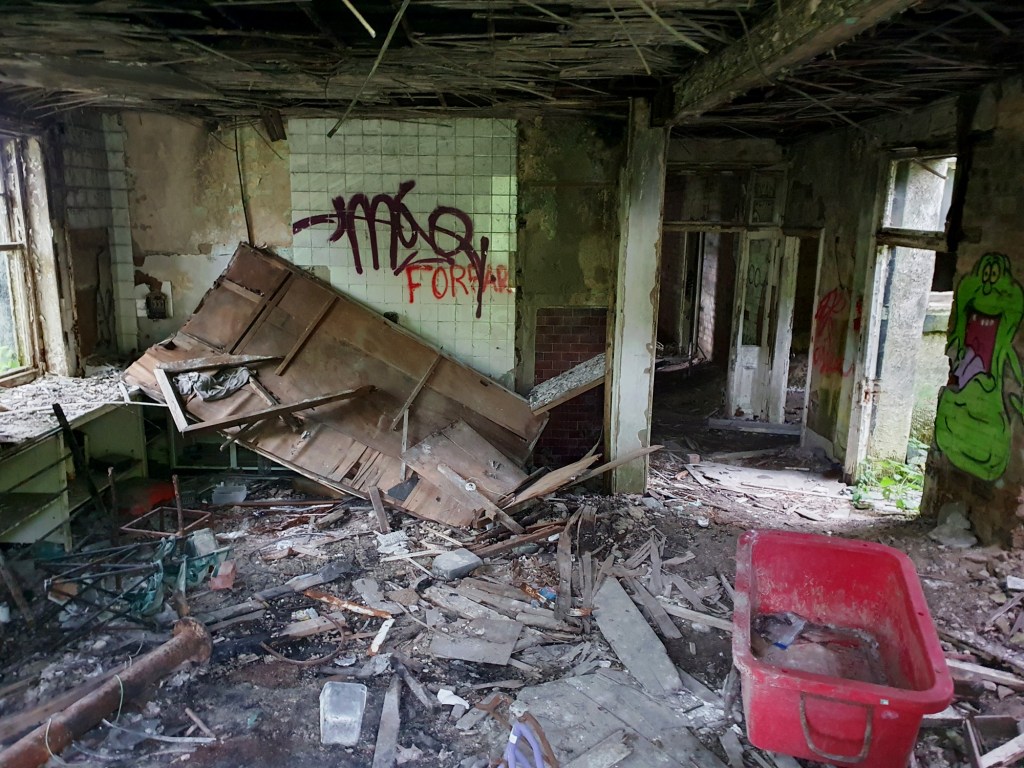
Construction began in 1897 when a ceremonial foundation stone and plaque to commemorate Queen Victoria’s Diamond Jubilee were laid on June 22 of that year. The hospital was built on the site of Corsbie Hall, a mid-18th century villa, which was converted to house admin facilities and staff accommodation with new wards arranged around it. Additional hospital accommodation and a tower on the central lodge were added in 1912.
The hospital, which opened on May 2, 1902, was initially designed to treat three infectious diseases, believed to be tuberculosis, scarlet fever and diphtheria, all of which were rife at the time, with separate buildings assigned to each. However, it is likely the hospital staff were also called upon to deal with typhoid, following an outbreak of the disease in the coal mining communities of Lochgelly in 1903, and cases of measles and whooping cough.
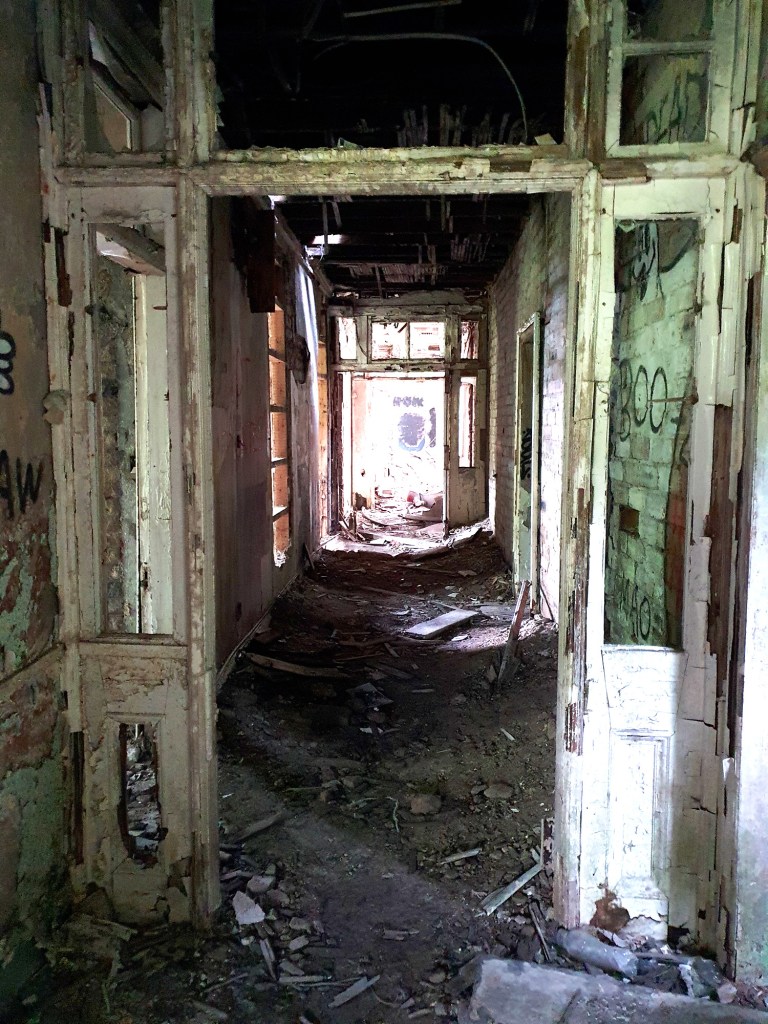
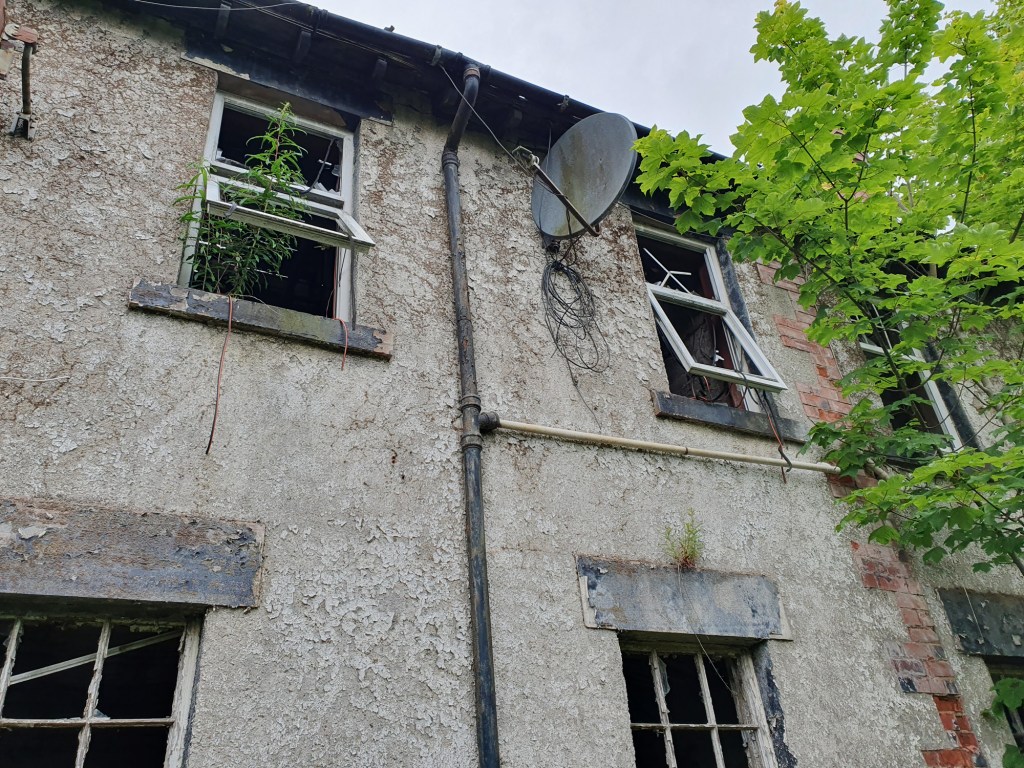
The buildings were grey harled with red sandstone dressing. The central villa – originally Corsbie Hall – is a Category C listed building.
Patients were segregated and strict rules ensured that no relatives were allowed into the hospital unless the person they were visiting was critically ill.
A separate smaller and even more isolated facility for the treatment of smallpox was located to the west of the site, across a field and further up the slope. It was known as Fosterton Hospital and was built at the same time as the fever hospital. It closed in the 1960s and was later a home for the elderly, Fosterton Hills Residential Home.
By the early 1920s, Thornton Hospital and Fosterton Hospital were dealing exclusively with smallpox cases and, later in the decade, Thornton was designated as the main hospital in Fife for the disease. However, by the 1930s, it was once again busy handling outbreaks of diphtheria, typhoid and scarlet fever.
In the early 1940s the Fife Free Press reported that the hospital was to close, replaced by a new infectious diseases’ unit in Dunfermline, although it would be retained on a care and maintenance basis with proposals afoot to convert it into a facility for the mentally ill.
The brief respite did not last long. In 1942, due to severe overcrowding at the Fife District Asylum (now Stratheden Hospital), Springfield, near Cupar, following an influx of patients from Stirling, it re-opened as Strathore Hospital to care for mentally defective adults.
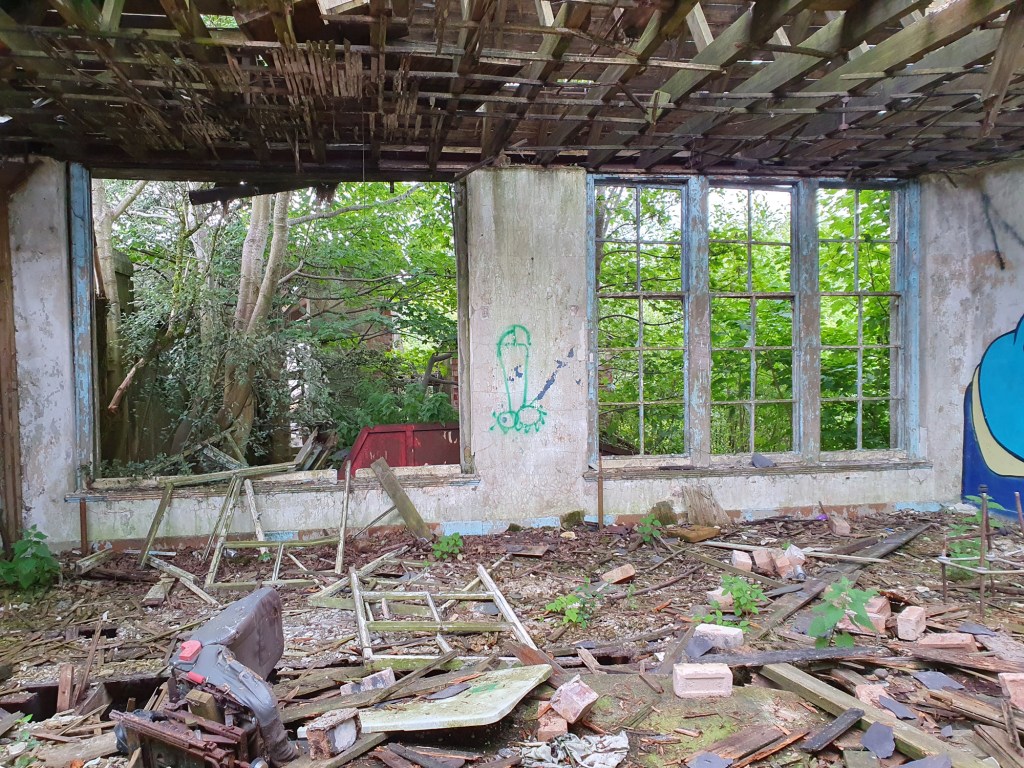
The St Andrews Citizen of September 5, 1942, reported that a ‘selected group’ of 148 – 83 men and 65 women – was now being housed within the new Strathore Hospital, which became known as Strathore Mental Hospital. It was designated for less acute, lower risk patients.
In the 1950s and 60s, Strathore Hospital remained an offshoot of Stratheden but was now dealing primarily with mentally handicapped children.
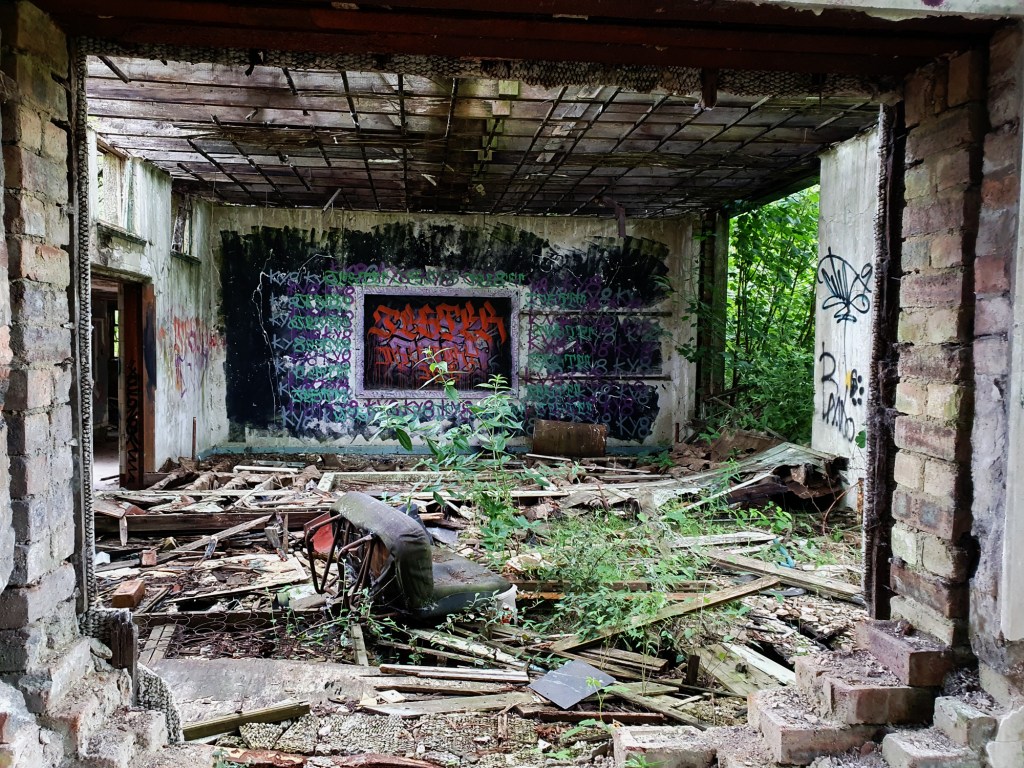
Plans for a new hospital in Dunfermline combined with a damning engineer’s report highlighting the dilapidated state of Strathore in 1965 brought about its demise and the last patients left just two years later. The site’s days as a hospital were over.
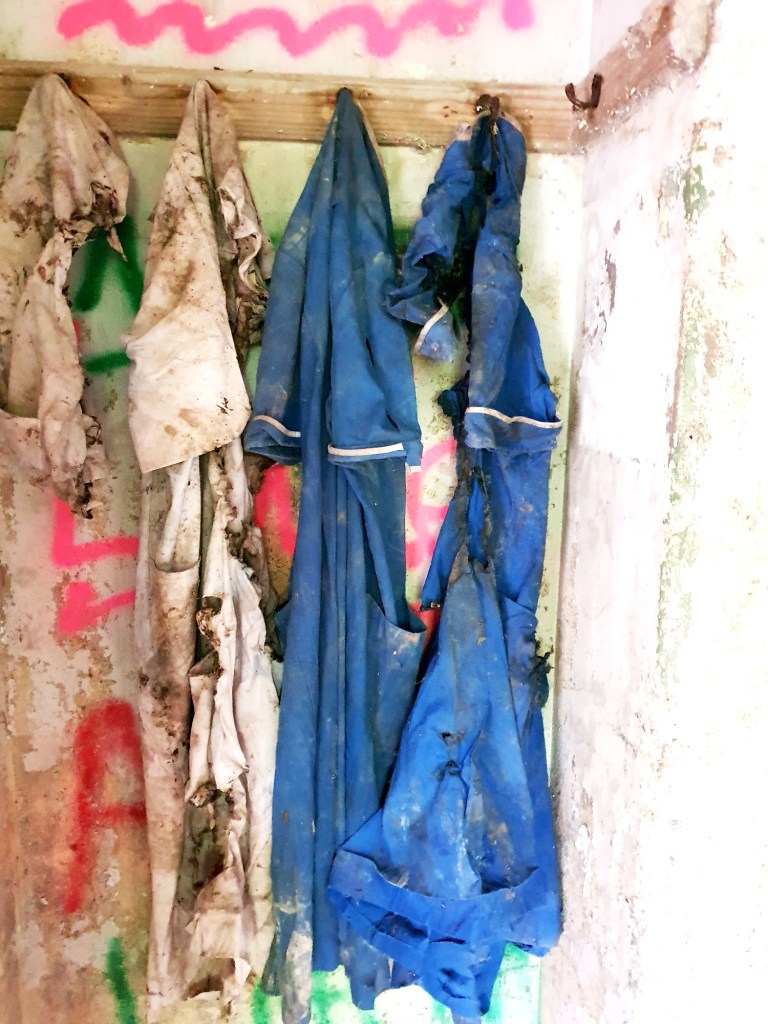
The buildings remained dormant until September 1970 when the land was sold and the hospital re-opened as Corsbie Hall School, a private fee-paying school for mentally handicapped, educationally subnormal and other socially deprived children. It was one of two such facilities in Scotland operated by George Taylor-Bryant. The other was at Newton Stewart, in Wigtownshire. The school catered for boys aged between six and 16 and most of the places were funded by local authorities.
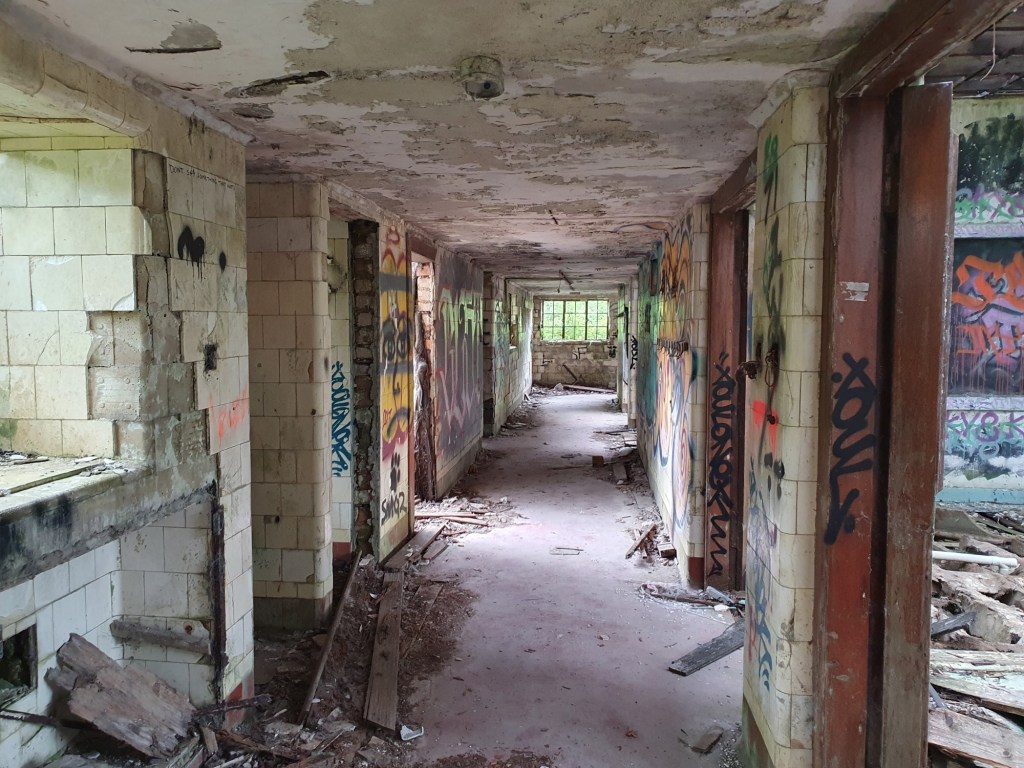
While the standard of care and education was deemed adequate by the inspecting authorities, the finances of the business appear to have been less robust and the venture only lasted two years. The school in Newton Stewart closed in 1971 while the one at Thornton shut the following year, after the police were called in to investigate financial irregularities.
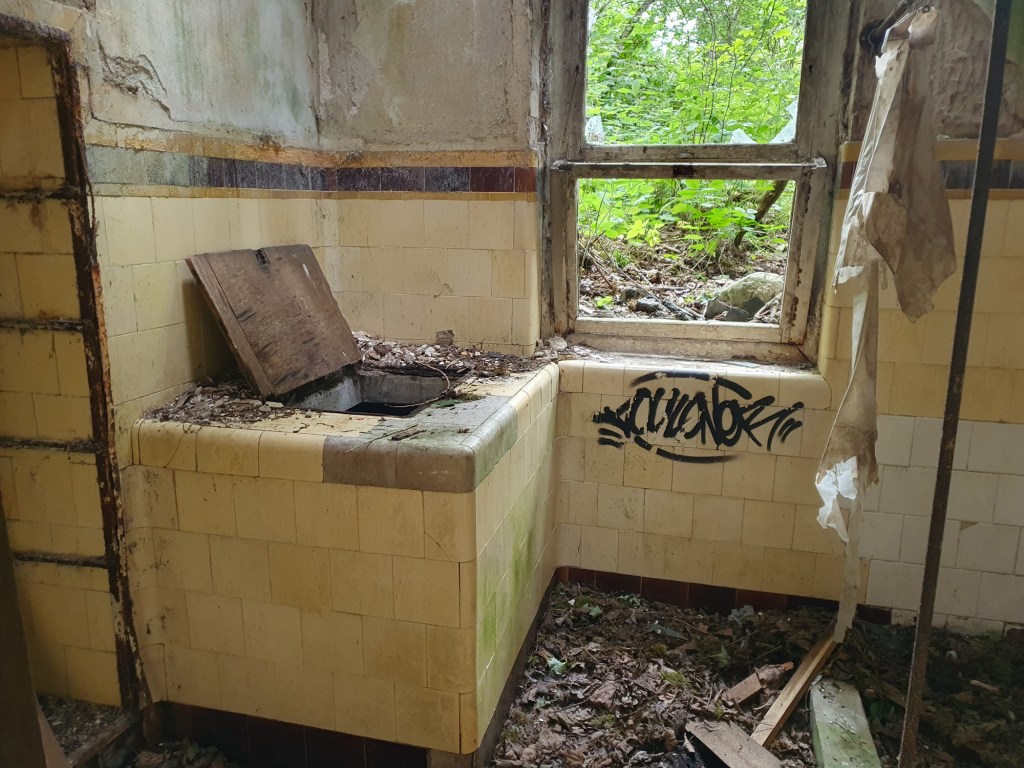
A Granada TV documentary claimed that teachers’ salary cheques were bouncing and National Insurance was not being paid on their wages. Taylor-Bryant disappeared, the children were sent home, and the school closed. Only two teachers remained to greet the arriving police and sheriff’s officers. Taylor-Bryant was later declared bankrupt, leaving the Fife school with significant debts and unhappy investors. It is said that, in his role as headmaster, he referred to the boys in his care as ‘savages’.
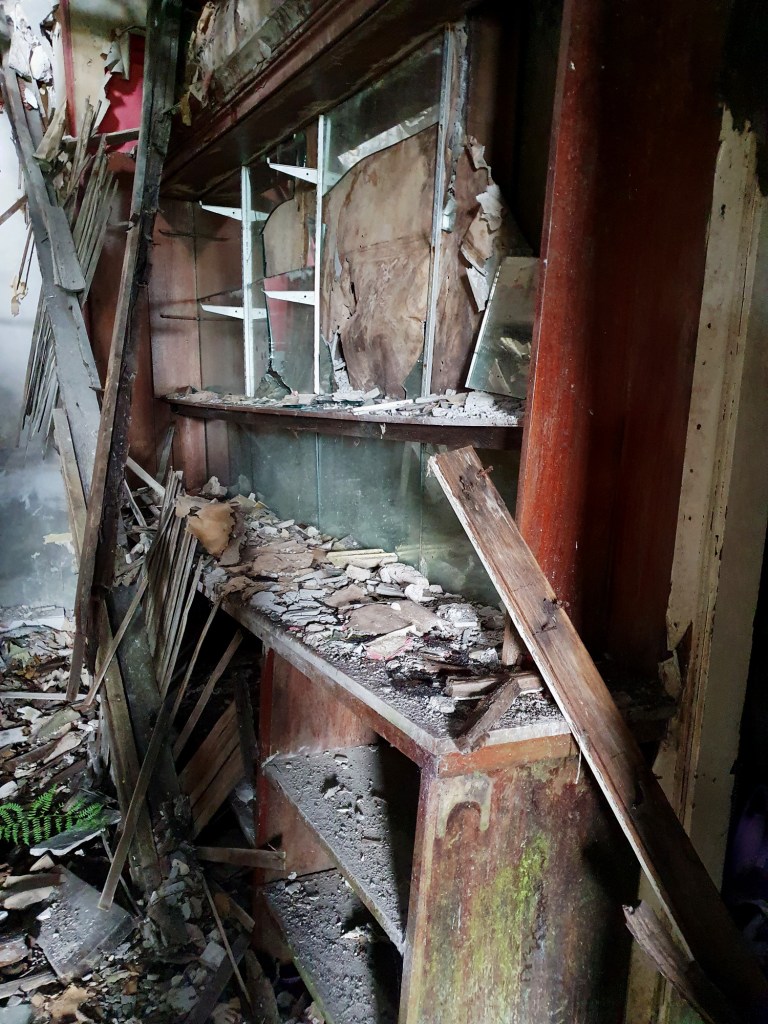
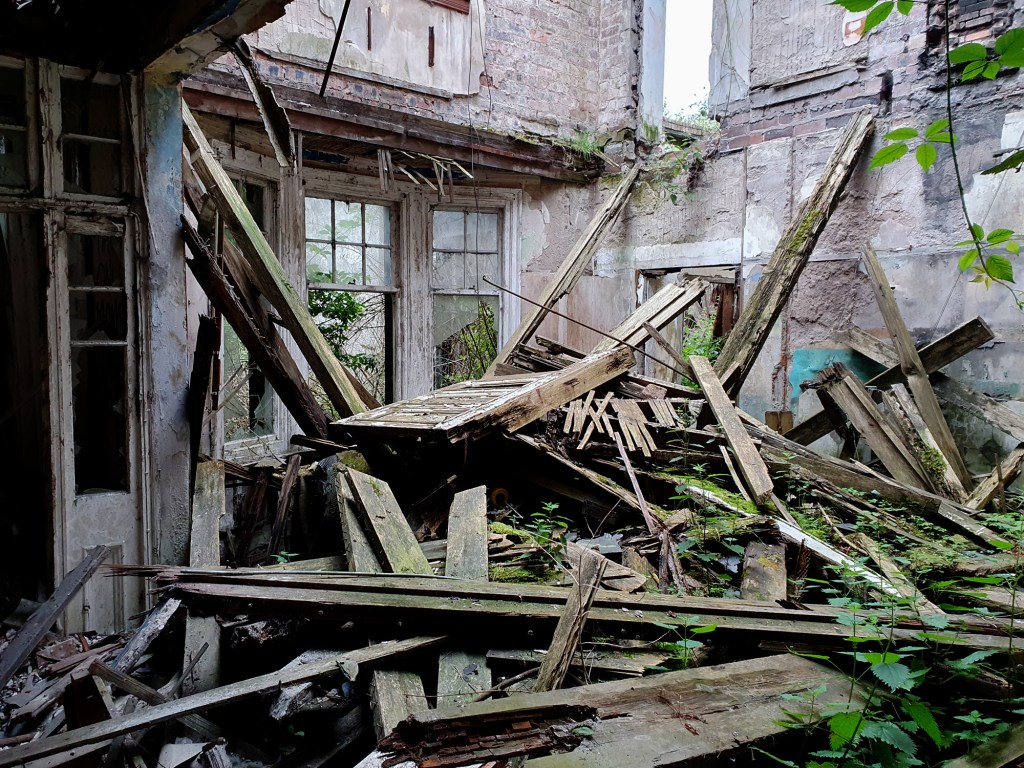
The history of the site becomes less clear at this point but the central lodge and at least one of the wards later re-opened as the Corsbie Hall Hotel, an enterprise that was certainly in business during the latter part of the 1980s. At the start of the 1990s it became the Strathore Lodge Hotel, remembered by many as a popular venue, with rooms, a bar and restaurant and function suite. The hotel closed in 2005 after a significant fire which started in the bistro and resulted in sections of the roof collapsing.
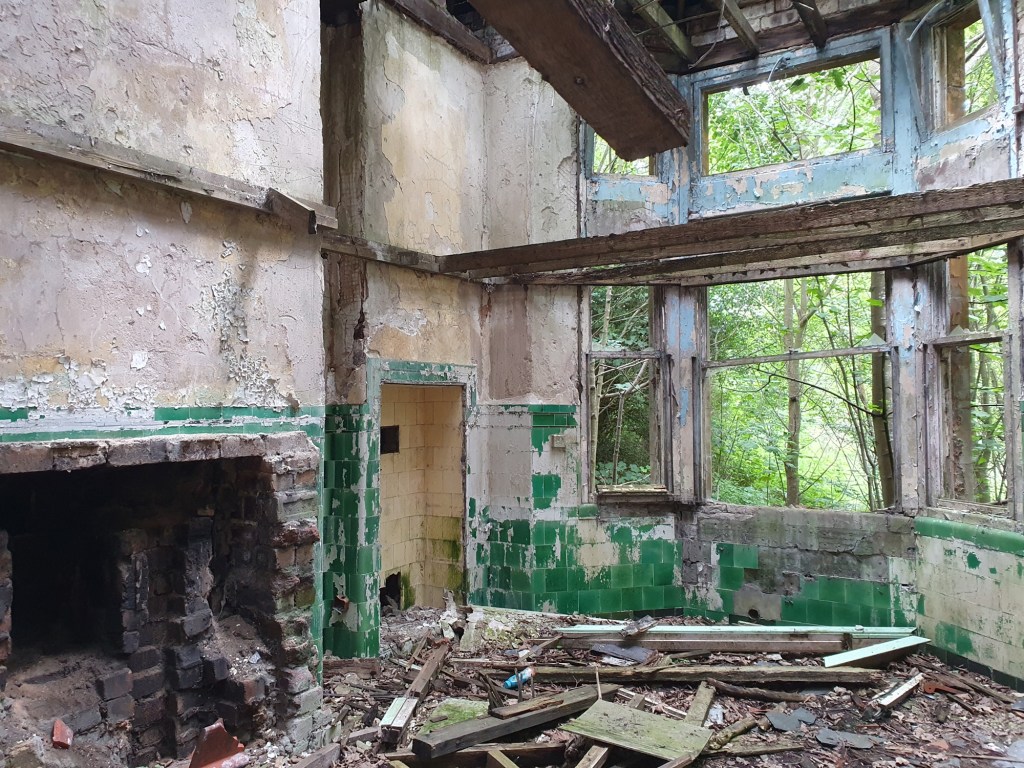
Part of the site was also used by a local plant hire company from the early 1990s until 2006 while other buildings lay empty and unused.
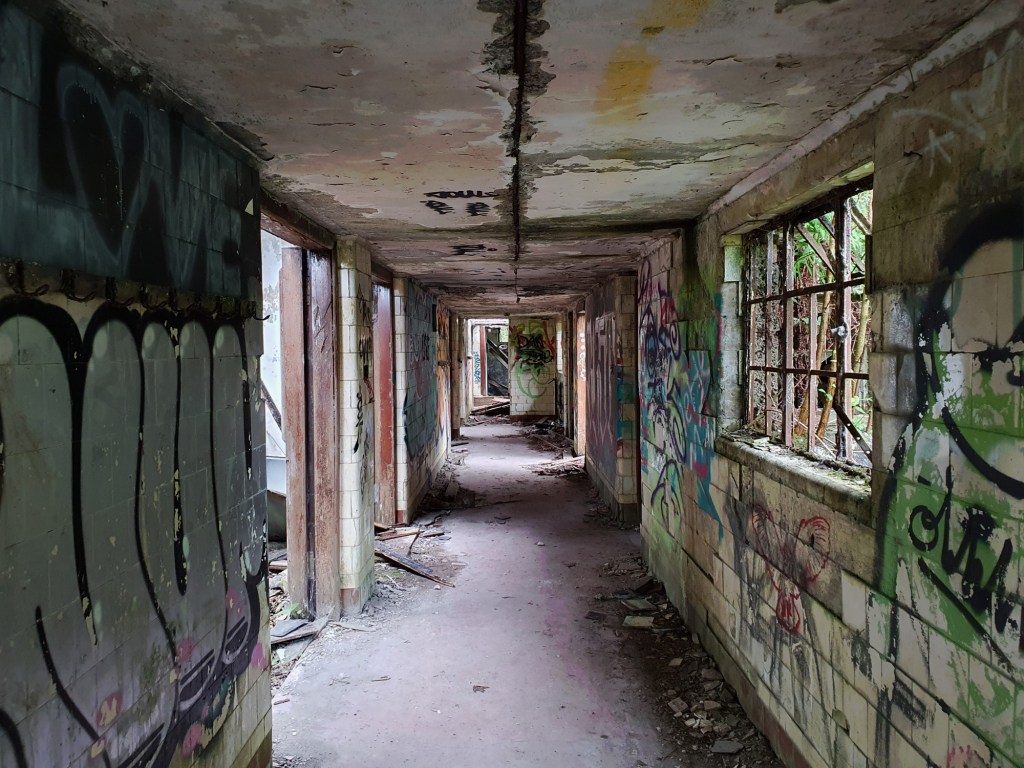
A planning report on the condition of the site published in 2007 indicated that all of the former hospital buildings had suffered because of continuous water ingress.
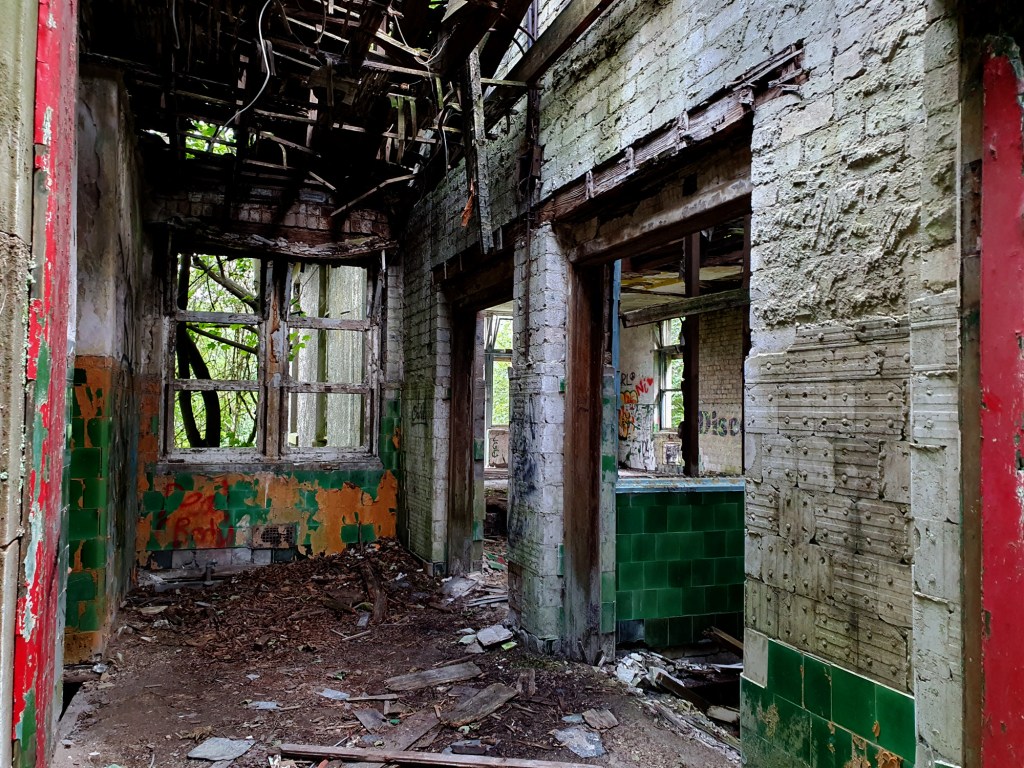
The site was put up for sale in 2020 with planning consent for 25 houses alongside redevelopment of some of the listed structures, although this has since lapsed, and the property is no longer on the market. As for the foundation plaque, it was recovered and returned to NHS Fife in 2021 and is now on display at Victoria Hospital, Kirkcaldy.
For more abandoned places in Fife, check out the book Abandoned Fife by James Carron, available in paperback from Amazon.
If you have enjoyed this article, you might like to help with a future research project or PayPal.me.