
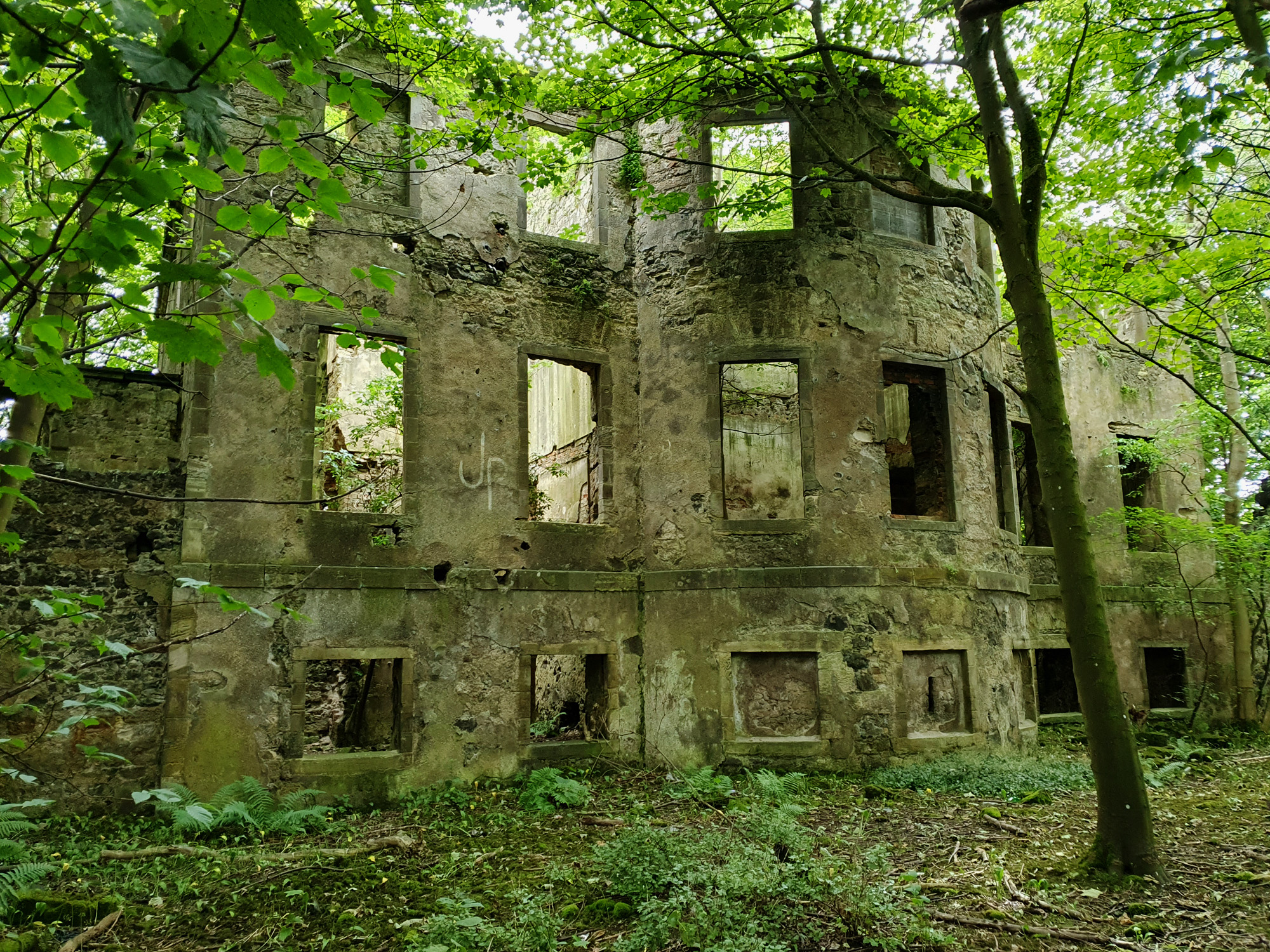
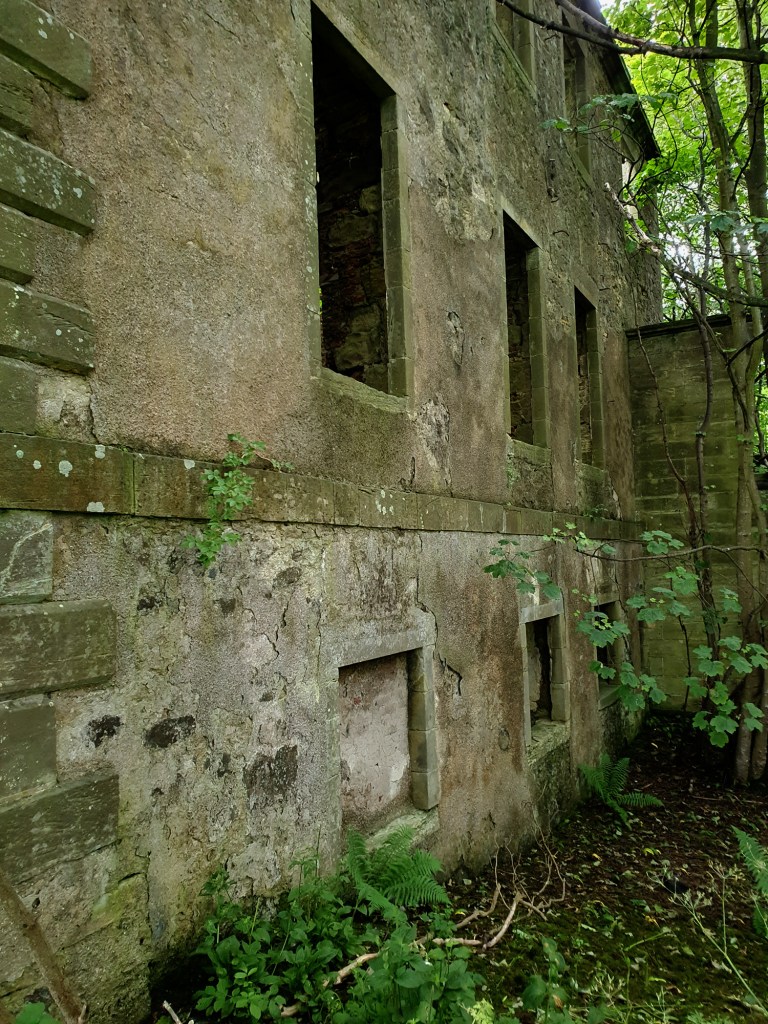
Largely concealed from view in its own rectangular patch of overgrown woodland, ruined Largo House, in the East Neuk of Fife, dates from 1750 when it was constructed for the wealthy Durham family. Although linked to prominent Georgian architects John Adam and John Douglas, it is very similar to Shawfield House, Glasgow, which was designed by Colin Campbell, one of the founding fathers of classical architecture in Scotland, and built decades earlier in 1712. As such, no one appears sure exactly who the building can be attributed to.
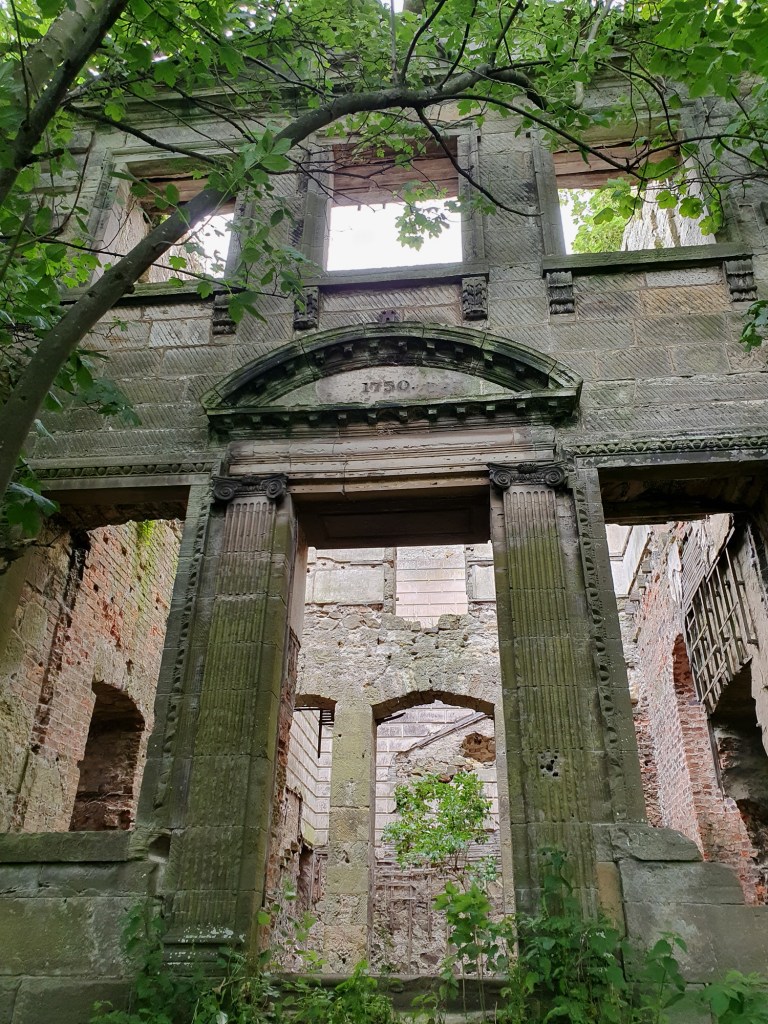
What is known is that, located on the site of an earlier mansion, Largo House was originally home to James Durham and his wife Anne. Over the years, the property was extended and altered and two wings to the rear were added in 1831 and a conservatory was grafted on to the western elevation. Early images show a walled garden with greenhouses and a farm to the rear and trees lining the eastern driveway which linked the house with the village of Upper Largo.
The property passed down through the Durham family before being sold to William Johnston in 1867. It remained in the Johnston family until 1901 when it was sold to Lieutenant Charles Maitland Makgill Crichton, of Crieff. Thereafter it appears to have been occupied by a succession of tenants until 1939 when the last occupants vacated the property and it was left empty.
In 1940, in common with many other stately homes around the country, Largo House was requisitioned by the Ministry of Defence and it became a training base primarily for Polish soldiers. In June 1941 it was HQ for the 1st Polish Independent Parachute Brigade, formed from the 4th Polish Cadre Rifle Brigade which was originally deployed to protect the East Neuk coastline and construct defensive structures.
Soldiers undertook pre-training at Largo House and at a parachute tower in nearby Lundin Links before progressing to RAF Ringway in Cheshire where they began to jump from aircraft. In September 1944 the troop was ready to enter battle and was deployed to Arnheim in Holland as part of Operation Market Garden. The brigade was disbanded in June 1947 and, with their homeland now in Soviet hands, many of the soldiers opted to return and settle in Scotland.
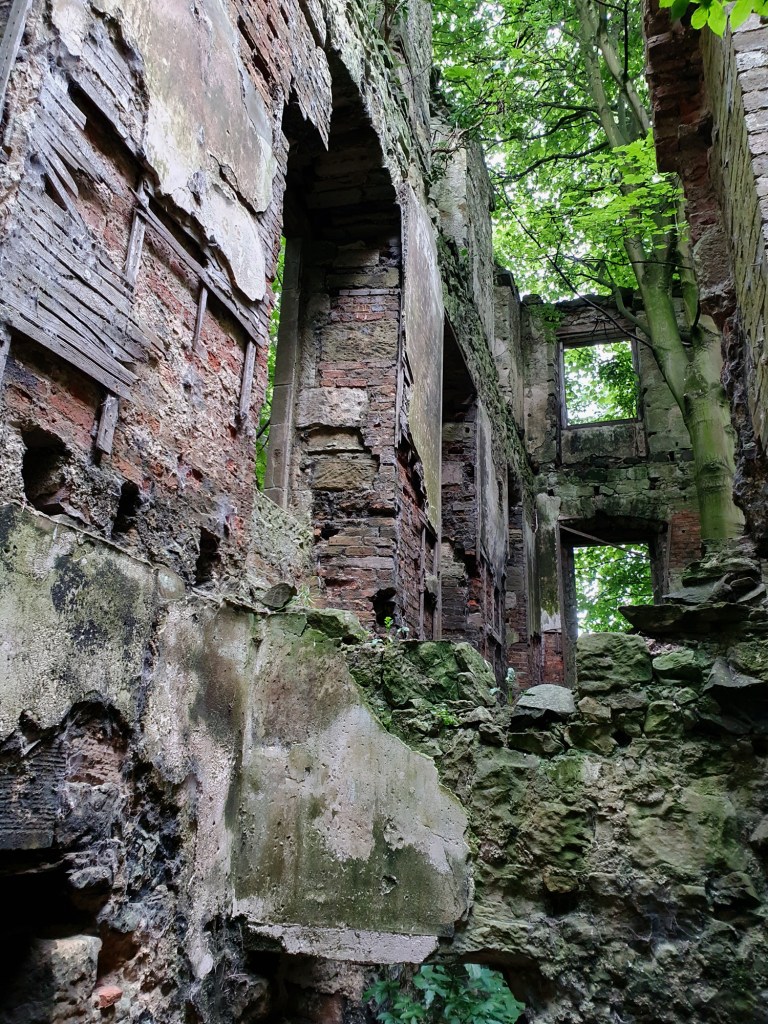
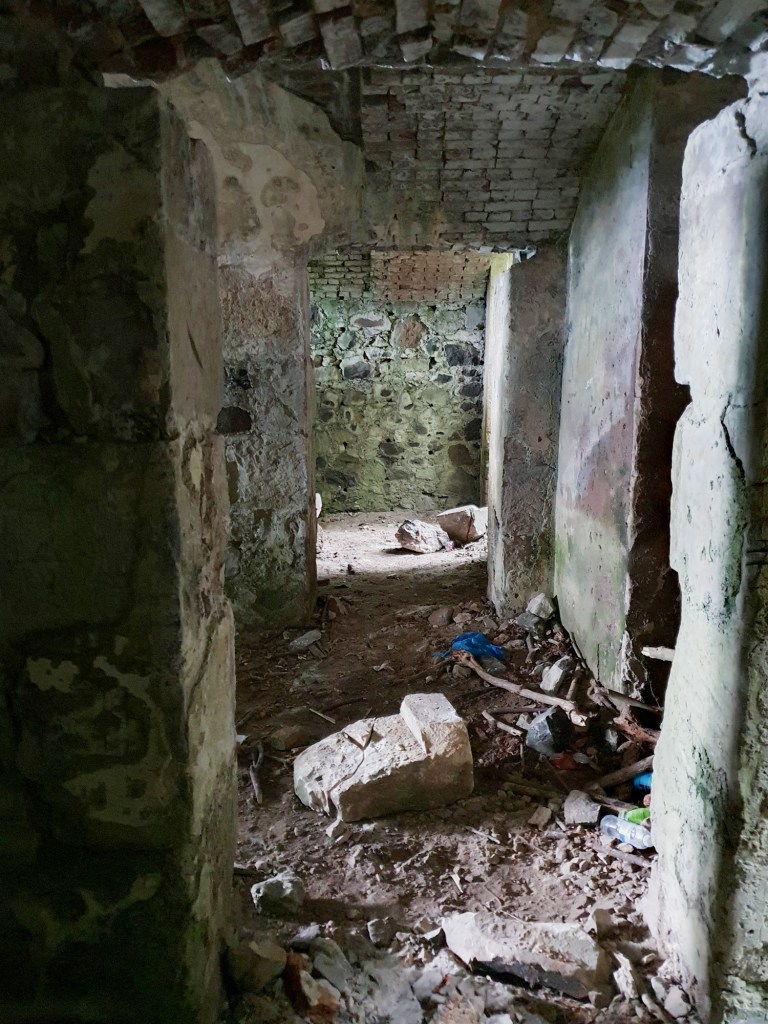
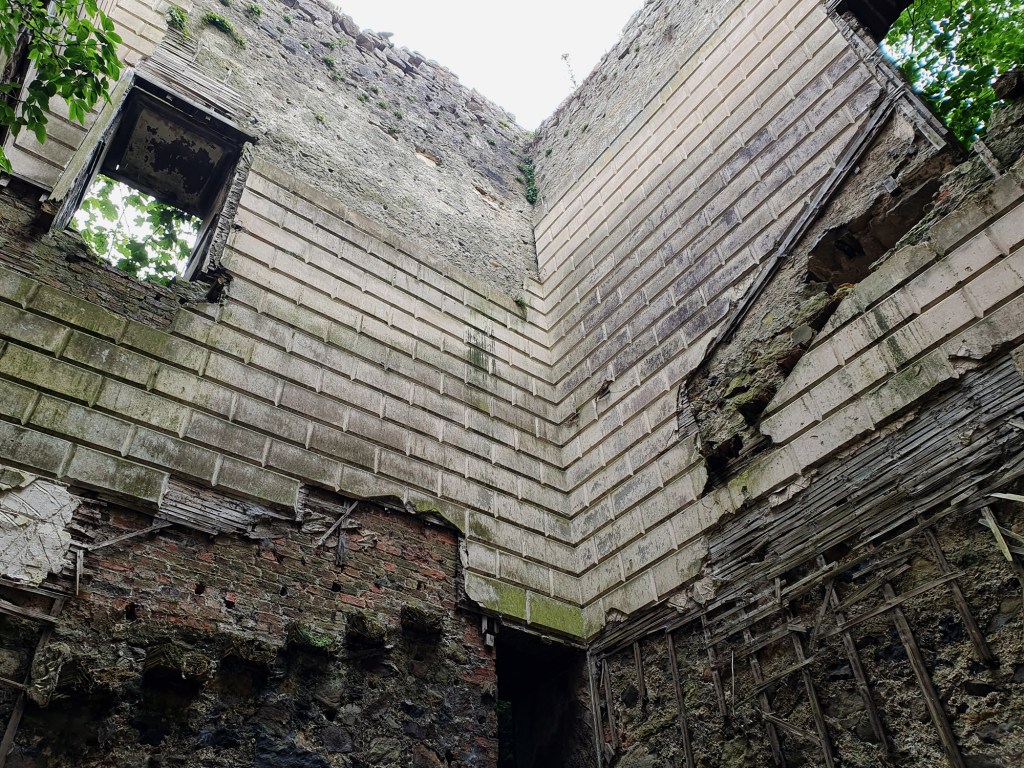
The 1st Polish Independent Parachute Brigade vacated Largo House in 1946 and the mansion was left empty. Thereafter, the owners opted to have the property professionally stripped out by demolition specialist Charles Brand Ltd, of Dundee, and, around 1951, the roof was removed to avoid paying taxes on the building. The contents, including furniture and fittings, were sold at public auction in Ladybank. Thereafter, the house fell into dereliction, a state which it has lain in ever since, and is now on the Buildings at Risk Register.
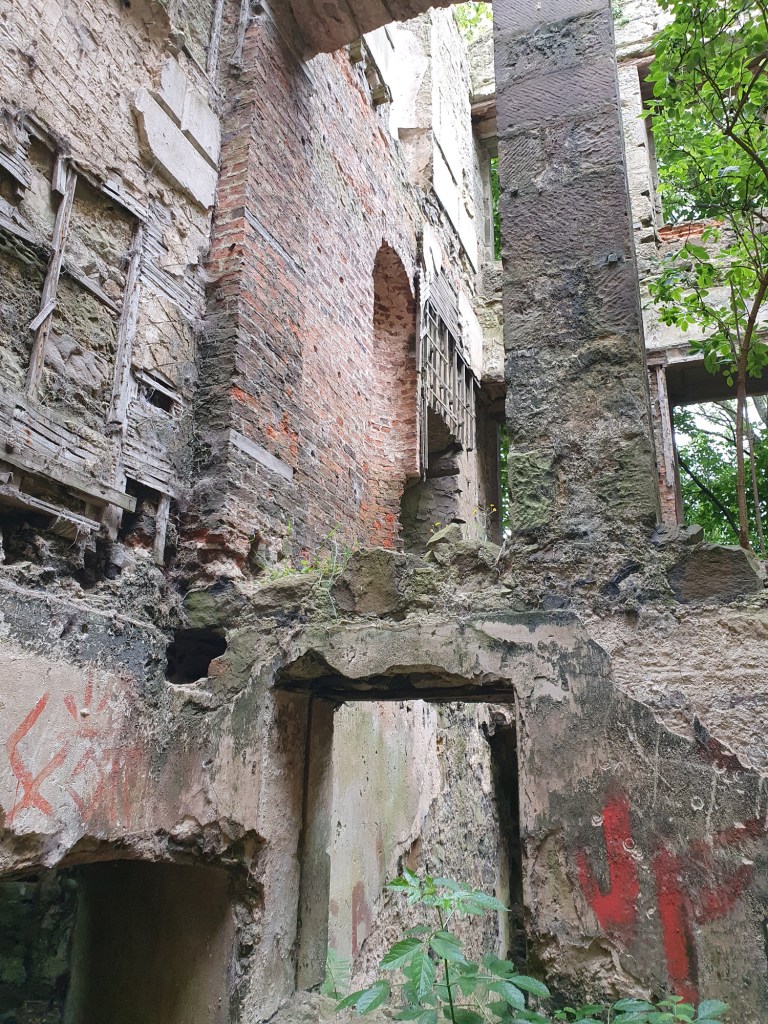
A planning application to demolish the Category B listed structure was rejected in 1980 and plans for a housing development within the grounds were refused permission in 1990 with the local authority only willing to sanction restoration of the mansion, something that, despite various attempts to sell or redevelop the house, has yet to happen.
To the rear of the house, a former stable block stands in an equally ruinous state while most of the formal grounds are now grazing land. The former walled gardens have been returned to productive growth while a holiday park occupies land to the west of the house.
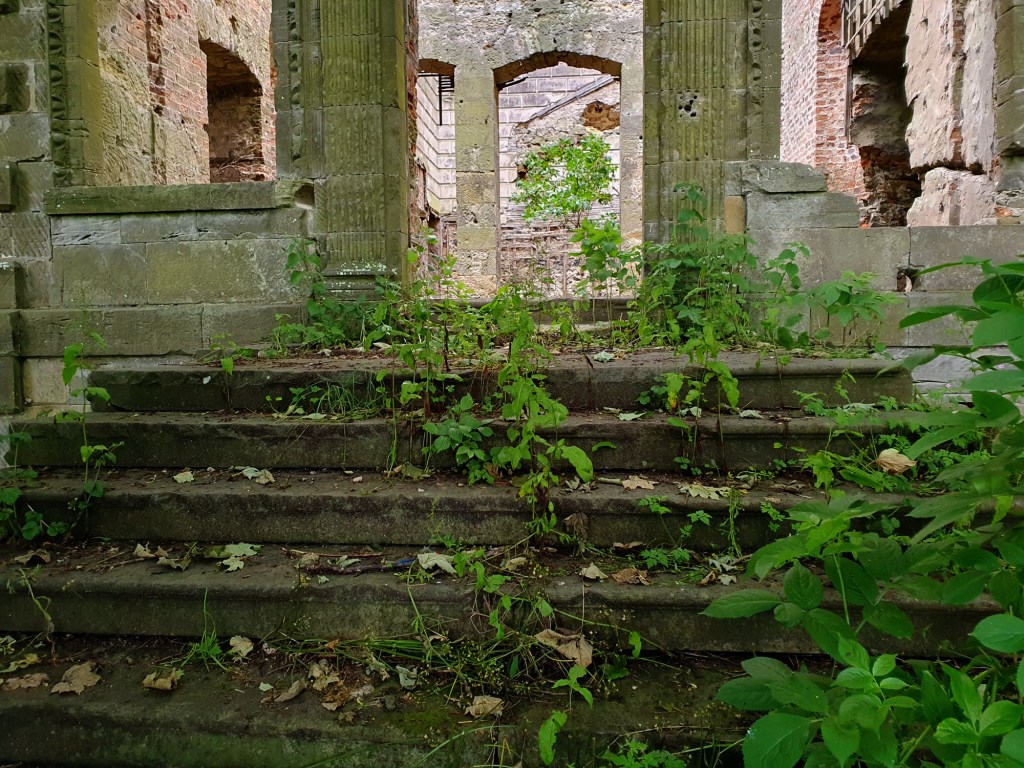
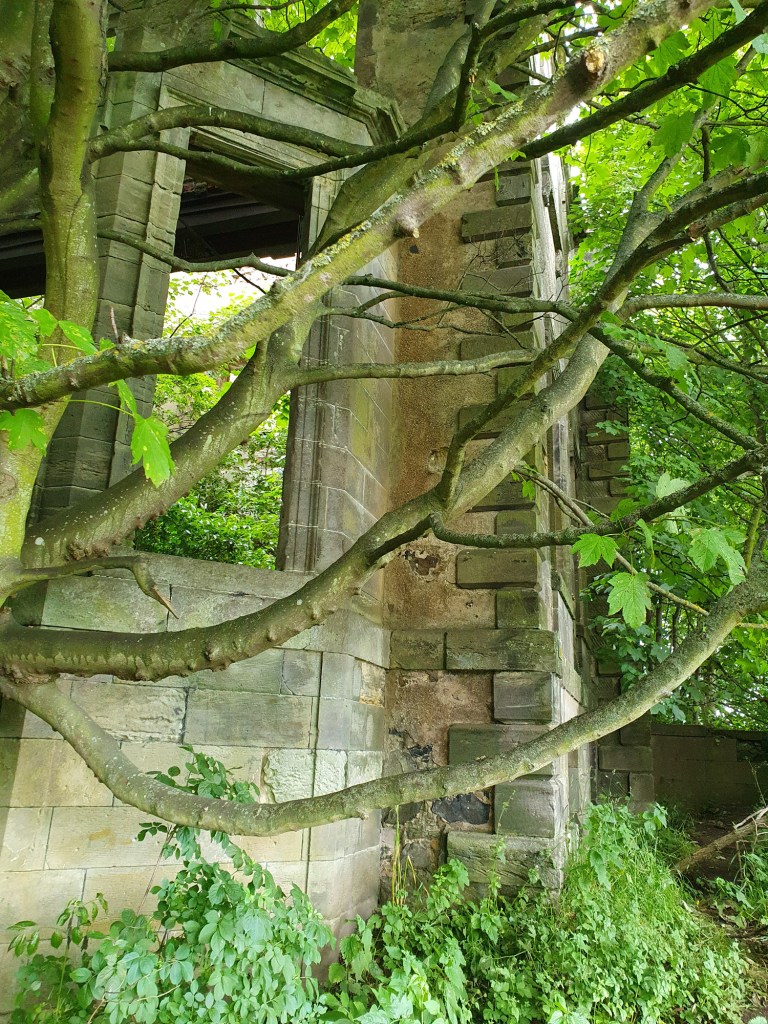
The easiest way to access the ruin is to follow the line of the eastern driveway west from the church in Upper Largo, passing an original gatepost. Beyond a row of houses on the right and cricket ground to the left, cross a metal gate and continue straight ahead over grazing land towards the wooded area that flanks the remains of the mansion. During the summer months, thanks to the tree cover, the house is barely visible. To access the ruin, you must carefully cross the barbed wire fence that surrounds it. Be aware that exploring this ruin is potentially very dangerous – it is a derelict structure and there is the potential risk of falling masonry plus numerous natural trip and fall hazards. Approach with the utmost caution!
For more abandoned places in Fife, check out the book Abandoned Fife by James Carron, available in paperback from Amazon.
If you have enjoyed this post, and others on the site, you might like to buy me a coffee which helps support the site and funds new content…


