
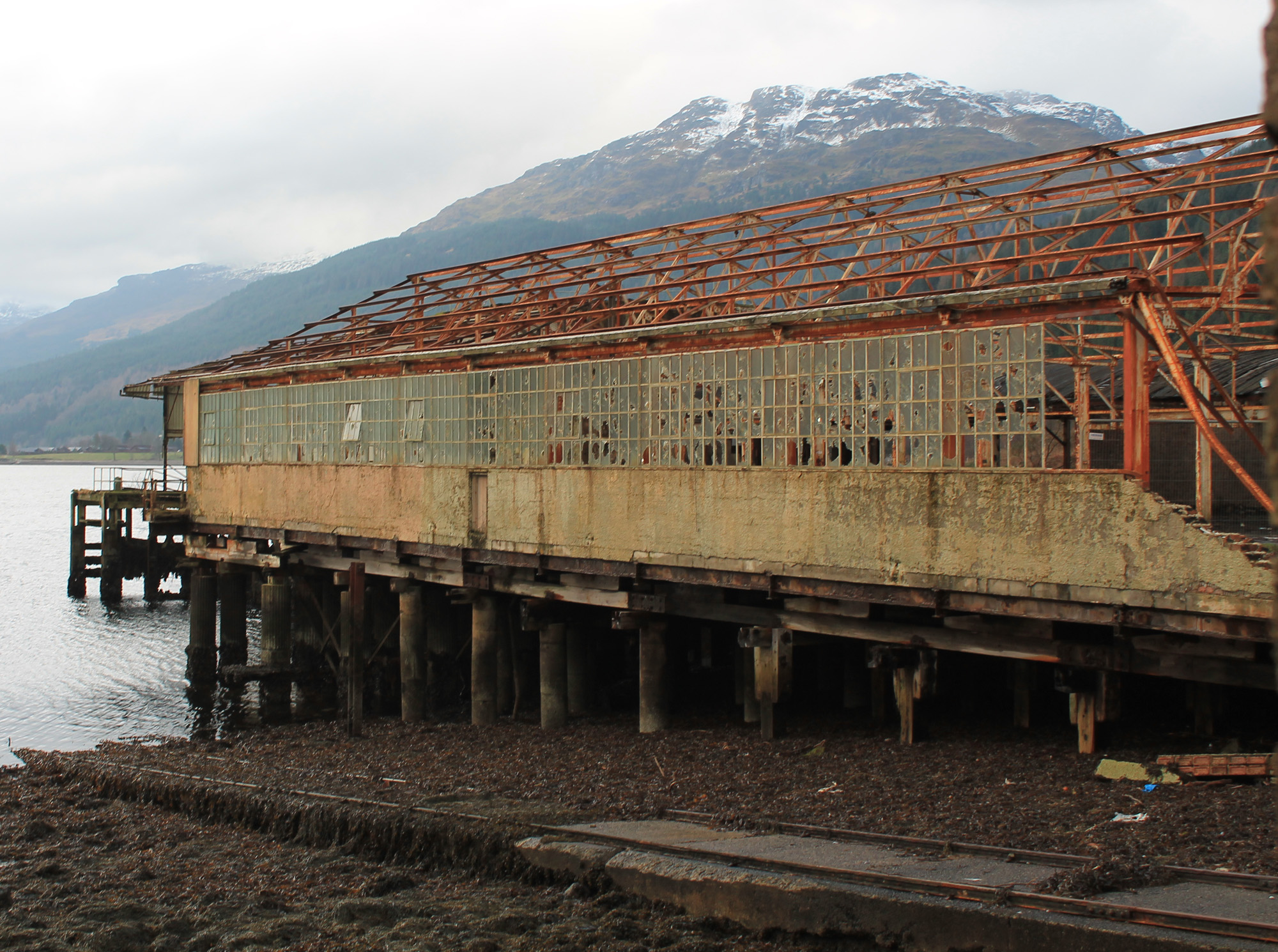
The former Royal Navy Torpedo Range at Arrochar on Loch Long, once a vital part of the country’s defence network, has suffered a slow and inglorious demise and, following its closure in the 1980s, has faced an increasingly uncertain future. Built by contractors Robert McAlpine & Co Ltd and handed over to the Ministry of Defence in 1912, its task was to test torpedoes manufactured for the Royal Navy at Greenock and Alexandria. It later became a munitions depot for submarines and a testing ground for the latest in naval weaponry, all carried out under a cloak of secrecy.
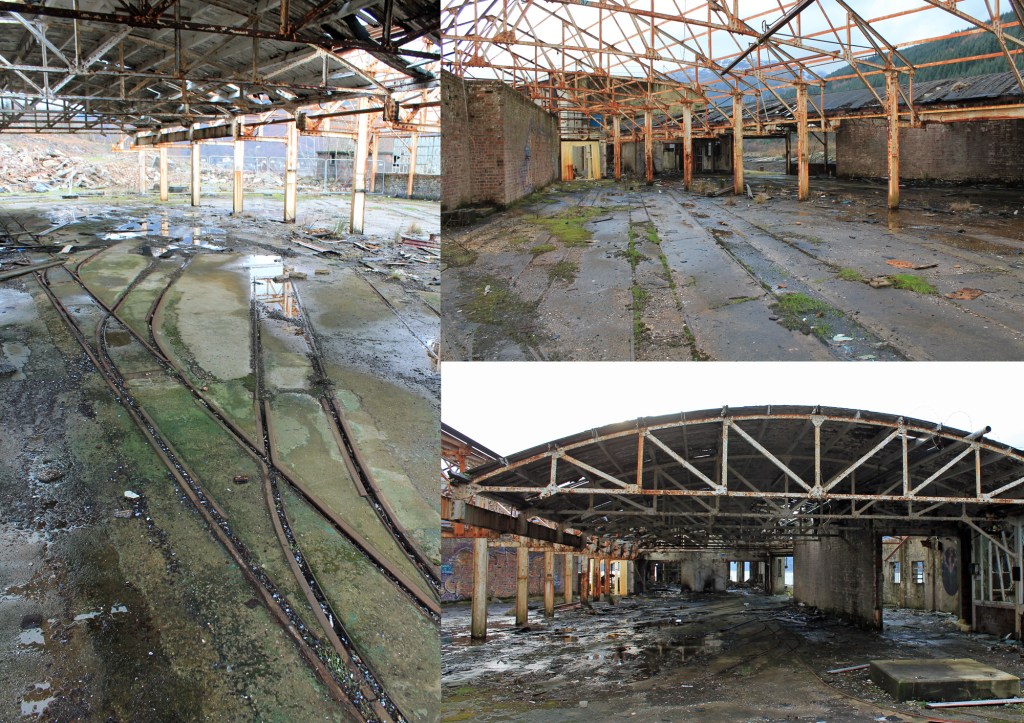
Located at the head of Loch Long – one of Scotland’s deepest and, as the name suggests, longest sea lochs – it was operational during the First World War but saw its most intensive period of activity during the Second World War when as many as 50 torpedoes a day were fired down the loch, all in the name of science.
The west coast sea lochs of Scotland accessed from the Firth of Clyde – Loch Long and Loch Goil, Gare Loch and Holy Loch – have long held military mysteries and secrets and have been strategically important to both surface warships and the submarines that prowl unseen beneath the water.
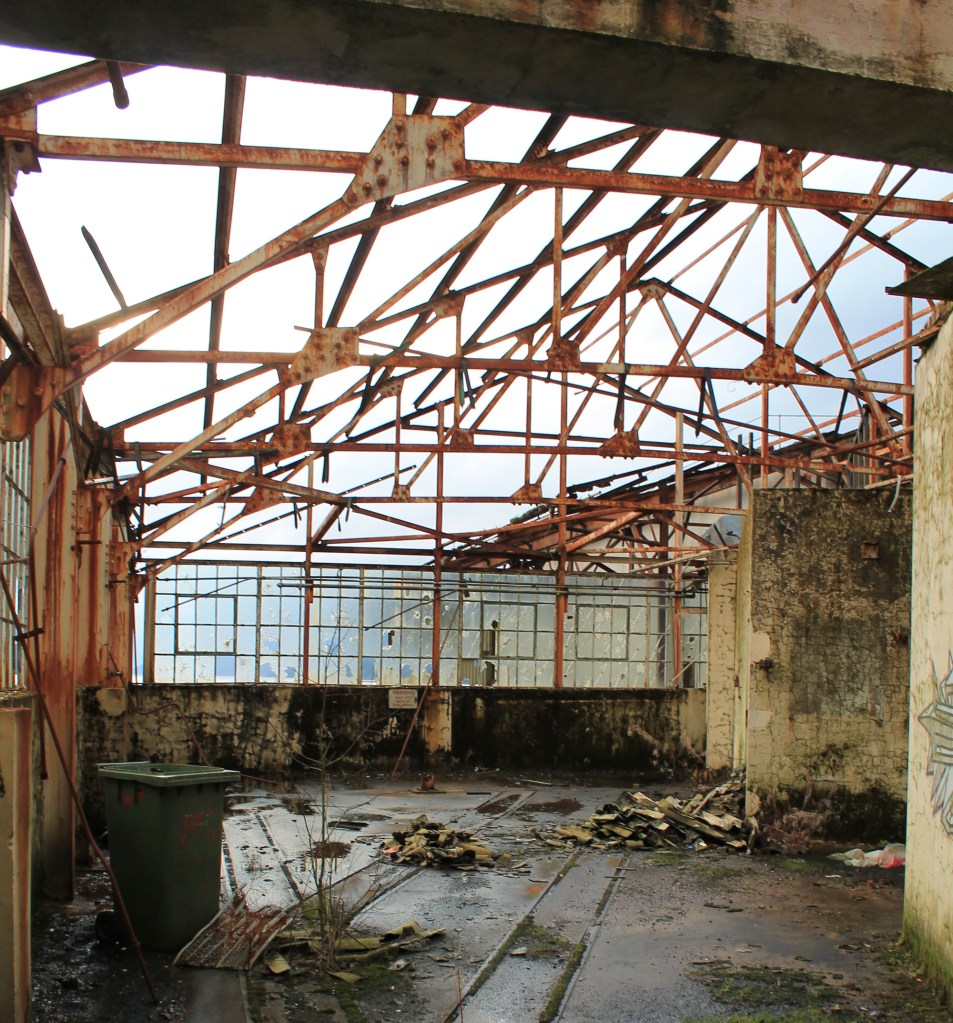
The base at Arrochar, a prominent local landmark which had originally been strong opposed by the local community which feared it would interfere with fishing and tourism, closed in 1986 and has since suffered bouts of vandalism, been the site of several fires and has now been largely demolished. However, while developers and the local authority try to decide what they should do with the sprawling lochside site, it has lain derelict.
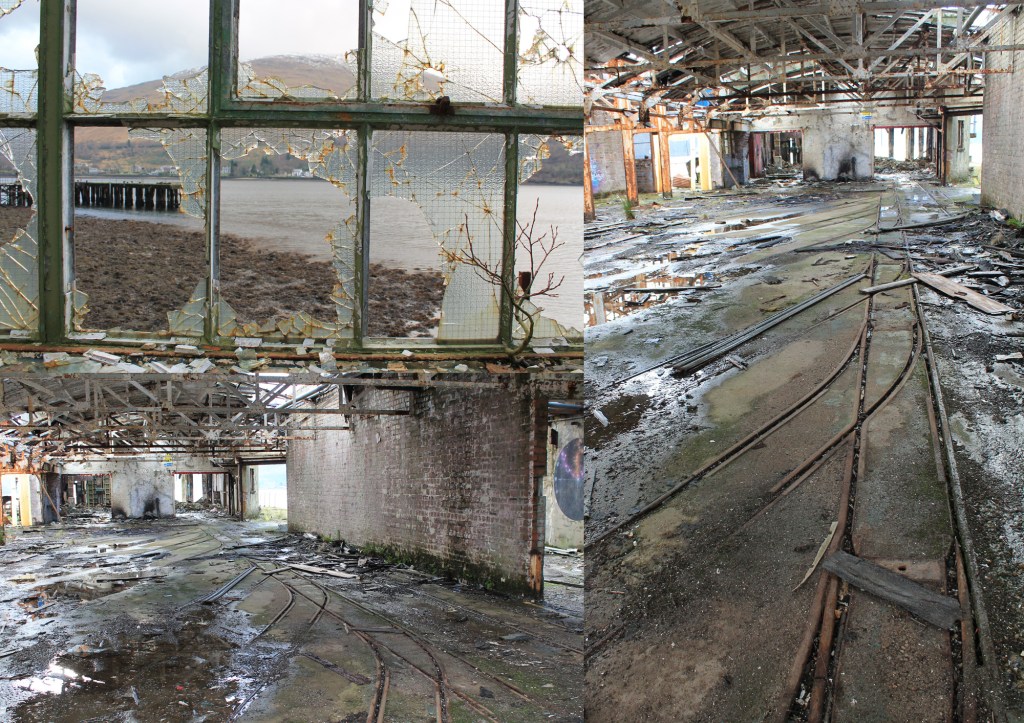
It is a far cry from the heydey of the Second World War when it was a significant local employer and a vital part of the community in this otherwise quiet part of Argyll & Bute. Torpedo firing activities centred around the main pier and inland from this there were large sheds and workshops, other military buildings, housing and a jetty, which served the various vessels involved in the running of the operation.
Minus their warheads and monitored from an observation deck, torpedoes sent north from the Admiralty’s munitions factories in Gourock, which opened in 1910, and Alexandria, were test fired down the loch, either from tubes mounted on the pier or from a ship moored adacent, or from submarines, to assess the trueness of their line.
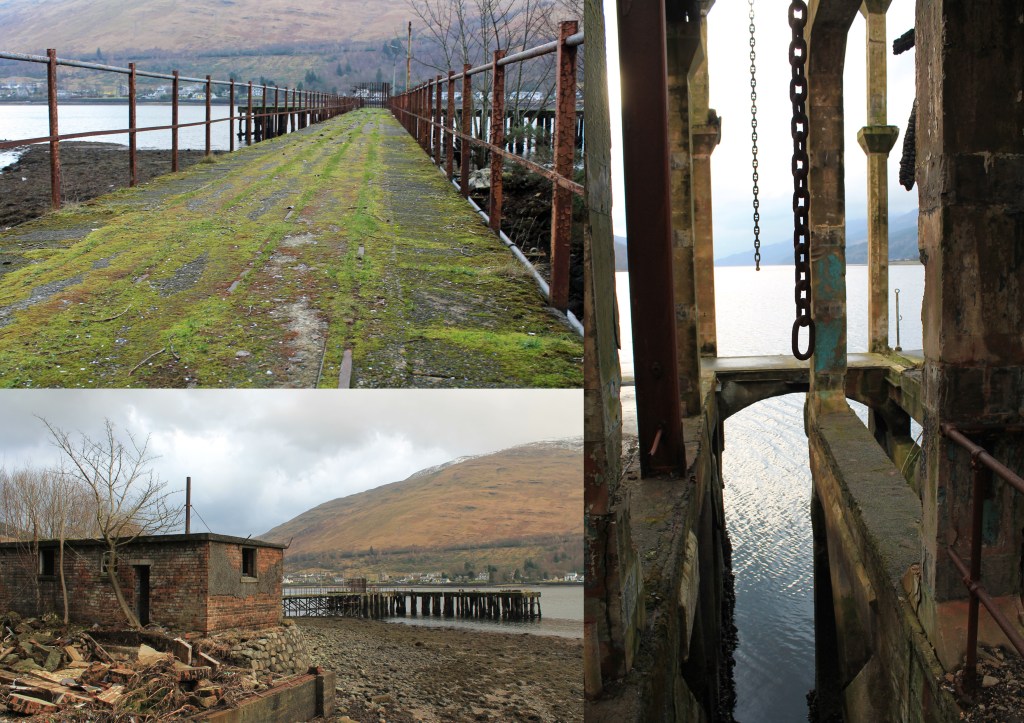
Fired at targets on the loch, the trajectory was monitored as they ran out along the surface of the water. Boats – Torpedo Recovery Vessels – were then sent out to recover the weapons, although some ended up sinking to the bottom of the loch, where they remain to this day, awaiting discovery by divers, while others went astray and ended up beached on the shoreline.
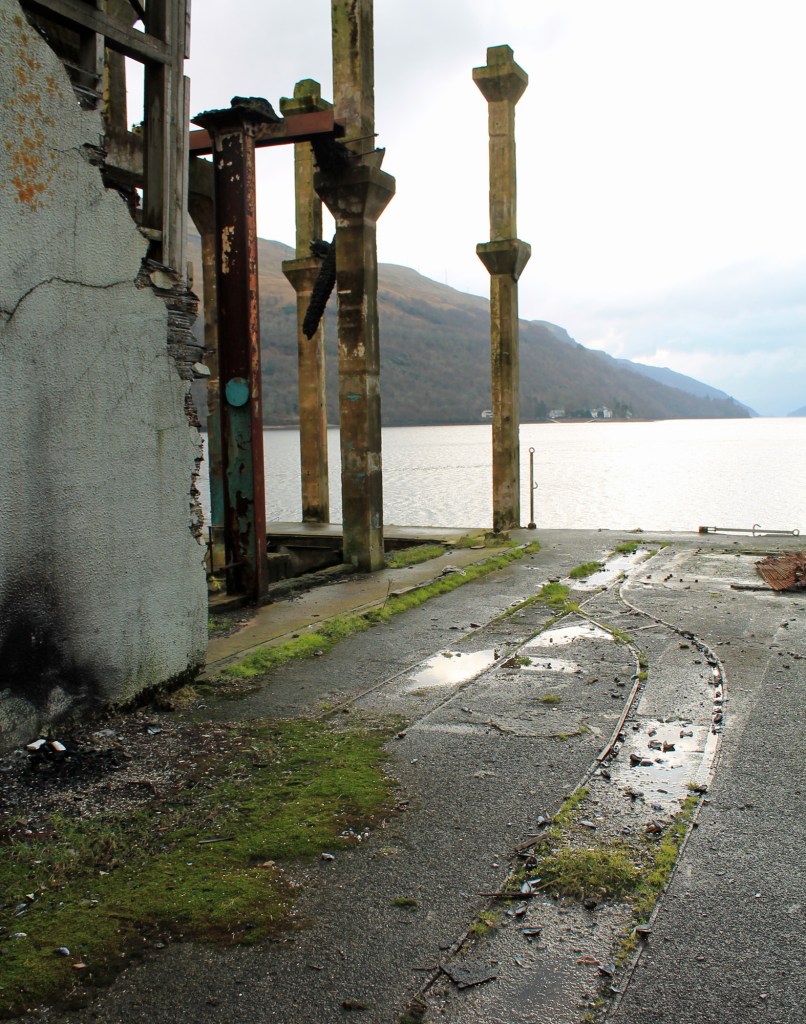
To enable the efficient movement of the weapons, the torpedoes were ferried on to the pier using a network of two-foot gauge narrow gauge tramways and winches. Within the main sheds extensive sidings with small turntables were set into the concrete floors. These linked into a double track line that ran to the firing point. The torpedoes were conveyed on cradles in little trolleys that were pushed by hand.
During the first 40 years of operation, 18” Mark 17 and 21” torpedoes of various marks were tested here. The first 21” Mark 8 torpedo was fired as an experimental weapon in 1934 and the last 18” Mark 17 torpedo was fired here in 1955.
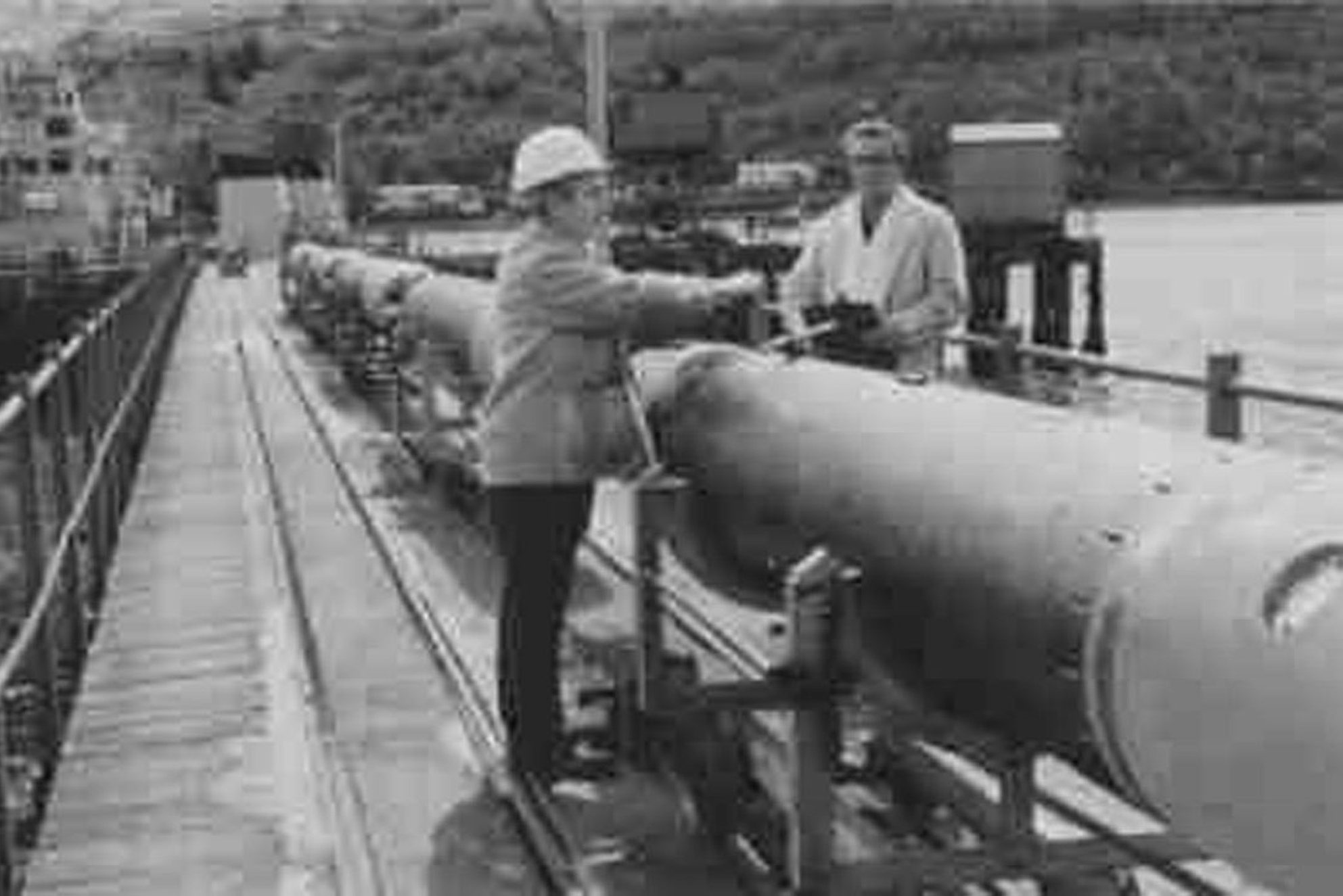
In operation during the First World War, the most intensive period of activity was during the Second World War when the site was staffed largely by local men and women. At its peak, in 1944, an average of 48 torpedoes were fired each day and, on occasion, as many as 62 were fired in one day, with as many as seven recovery boats continuously plying the loch.
In addition to working with tried and tested torpedo designs, the base was also involved with the development of new weapons after the war, including the first British electric torpedo, the Mark 11 (later renamed the Mark 20), and this continued through the 1950s, 1960s and 1970s. It also became a staging post for submarines on training manoeuvres, when it was involved in the preparation and supply of weapons to both the British warship and submarine fleets.
However, the development of more sophisticated weapons and electronic torpedoes designed to work at greater depths spelled the end for the base. The range ceased torpedo work on the November 30, 1986, and closed on December 19, 1986, with its workload transferring to RNAD Coulport, which is located to the south, also on Loch Long, eight miles from the HM Naval Base Clyde, better known as Faslane, which is home to Britain’s fleet of Vanguard Trident submarines, armed with nuclear warheads.
Due to the nature of the work both during periods of conflict and the Cold War, there has always been an air of mystery and secrecy attached to military bases on Scotland’s west coast sea lochs. Arrochar was no different and was for decades a restricted area, the work undertaken amid high security and limited access.
In 1915 Uruguyan national Augusto Alfredo Roggen was arrested as he checked into the Tarbet Hotel, ostensibly on a fishing trip. The German-born visitor, who had spent some time in Edinburgh after arriving from Rotterdam, had aroused the suspicions of the authorities who believed he was a spy. His postcards sent from the capital to Holland were intercepted and police kept him under surveillance as he travelled west. When he was detained at Tarbet, close to the Arrochar range, they found a map that included the head of Long Long, a loaded revolver, invisible ink and a list of contacts.
He was tried and convicted of espionage and sentenced to death by firing squad, the punishment carried out at 6am on September 17, 1915, at the Tower of London. Whatever Roggen’s motives – he was by all accounts no James Bond – the case showed just how important the security of the sea lochs was to the British military.
After its closure, the Arrochar site sat derelict, later sold by the Royal Navy to a private developer. It suffered extensive vandalism and was badly damaged by several fires. In 2007 demolition work began but this was subsequently suspended, leaving the pier and a complex of partially destroyed military buildings. Traces of the narrow gauge tracks remained embedded within the ground across the site. Thereafter, fly-tipping became a significant problem. Click here and here for urbex photos of the abandoned base.
Like many large abandoned sites in the West Highlands, the land fell victim to the usual speculative developers and, in common with other such locations, has thus far not progressed beyond the drawing board.
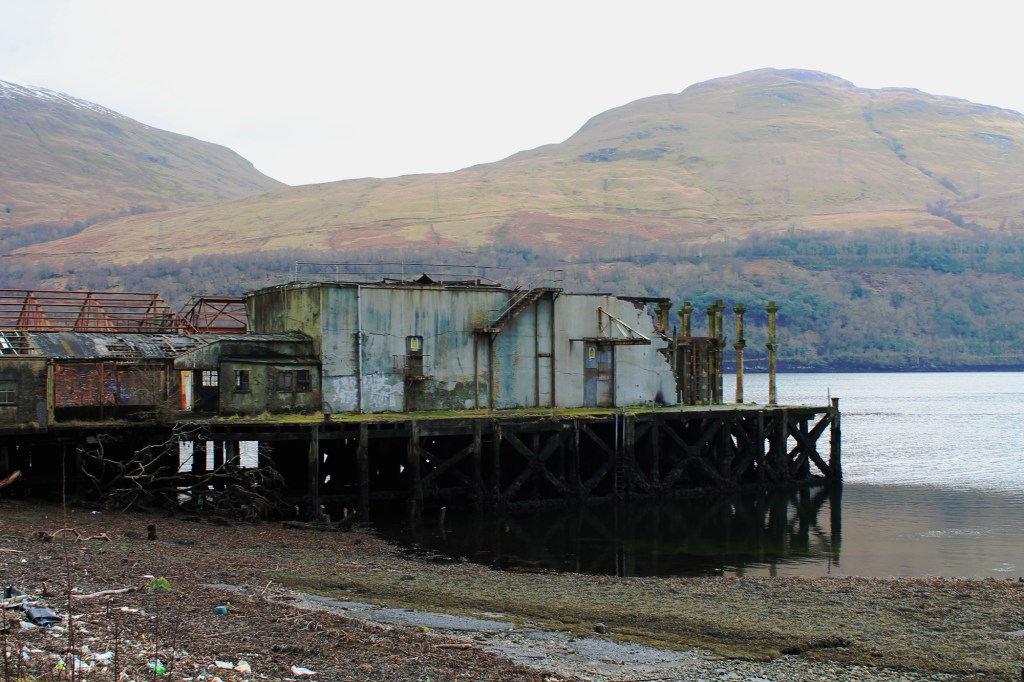
The first of these was the Ben Arthur Development Company, which applied for planning consent in 2012 for a five-star resort including a 130-bedroom hotel with 16 residential units and 36 apartments. The project also proposed a chandlery, a helipad, a 100-berth marina and a refurbished pier facility. Great on paper but nothing happened, planning permission lapsed and the development company website has now disappeared. The 21 acres of land went back on the market.
The next idea, which surfaced early in 2022, was to create a marine development with a marina, holiday lodges, a camping/glamping area alongside a number of loch-side, self-build plots, a boat maintenance centre and facilities for divers, and a cafe and other leisure facilities. In time, it was hoped is to bring larger passenger vessels to the site’s pier.
However, promoted by a trio of individuals who had reportedly bought the land but who had yet to apply for planning permission and who had not even a ball park figure for the cost of development, the project has yet to progress much beyond a round of artist’s impressions, local Press reports and community meetings. All the while a once important military facility set within a spectacular location within one of Scotland’s National Parks continues to decay, a blot on the landscape, some say, the government relieved of its obligation to restore the land three decades ago, having passed it on to the private sector in the vain hope they might be able to clear up the mess of war.


