
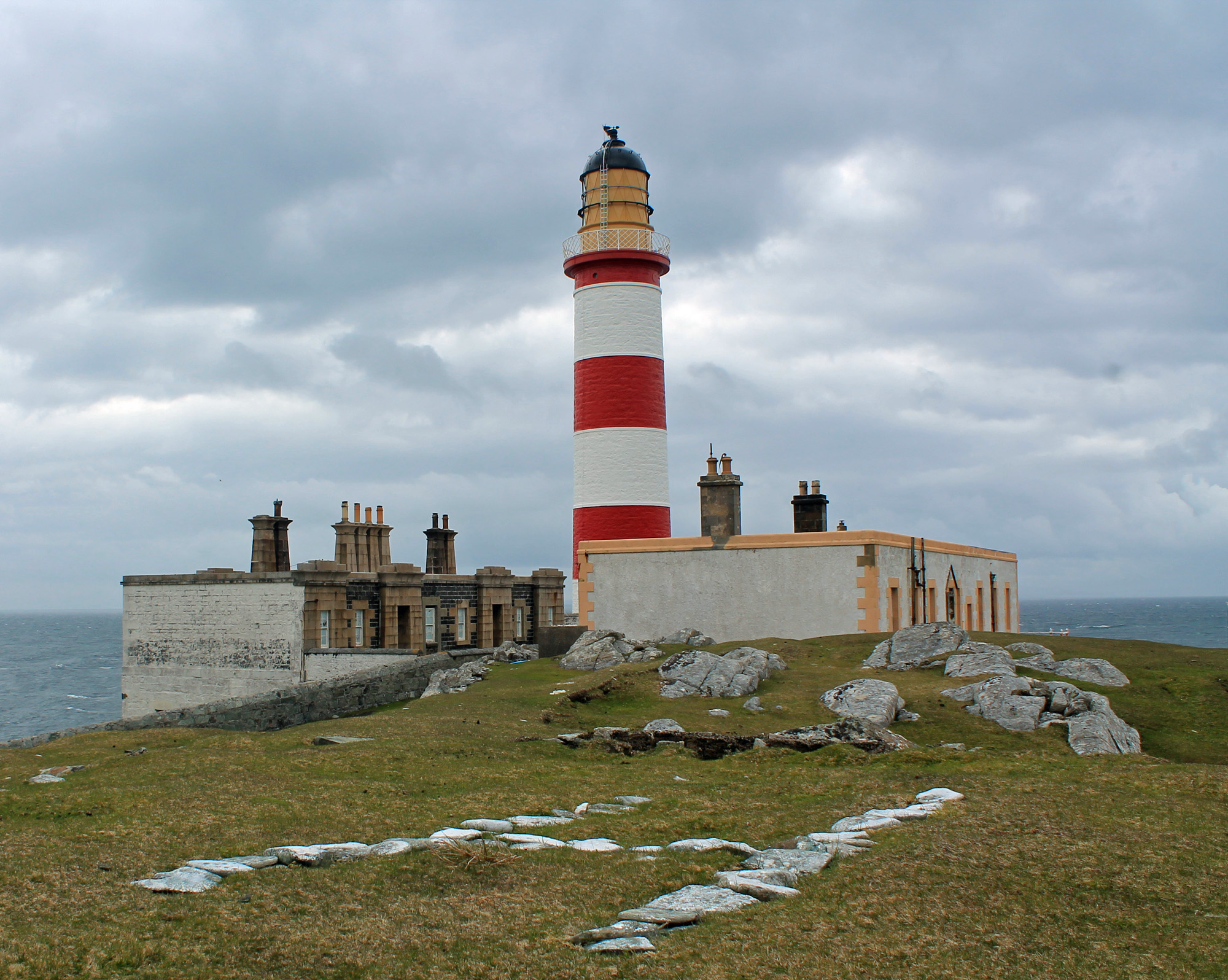
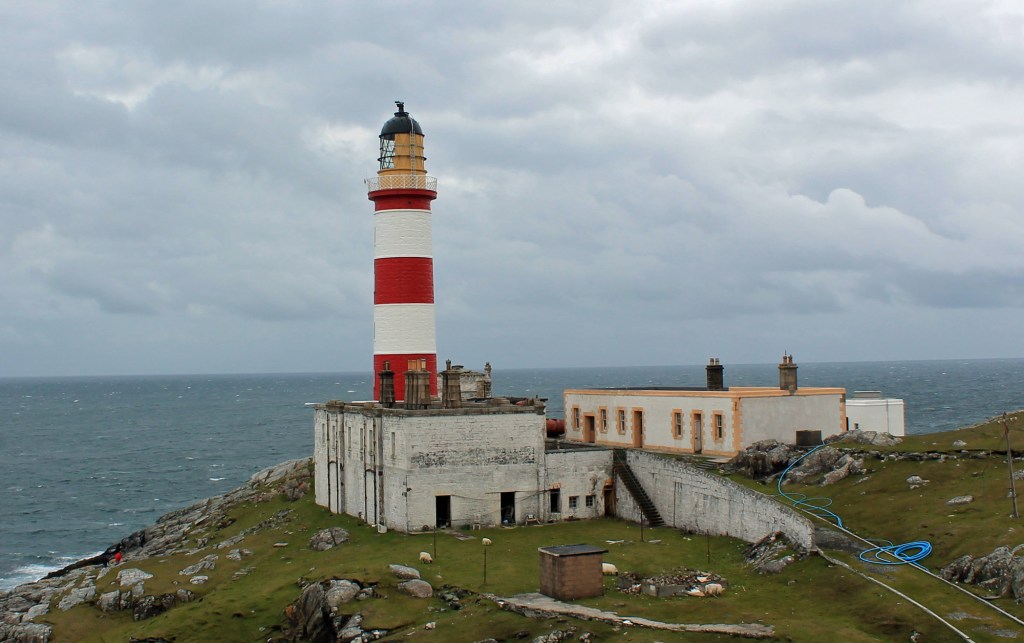
The Eilean Glas Lighthouse on the Hebridean island of Scalpay was one of the first four beacons to be erected around the coastline of Scotland by the Northern Lighthouse Trustees back in 1787. Automated in 1978, the pioneering light remains operational but the surrounding complex of buildings was largely abandoned and remains so to this day, despite efforts to breathe new life into the remote site.
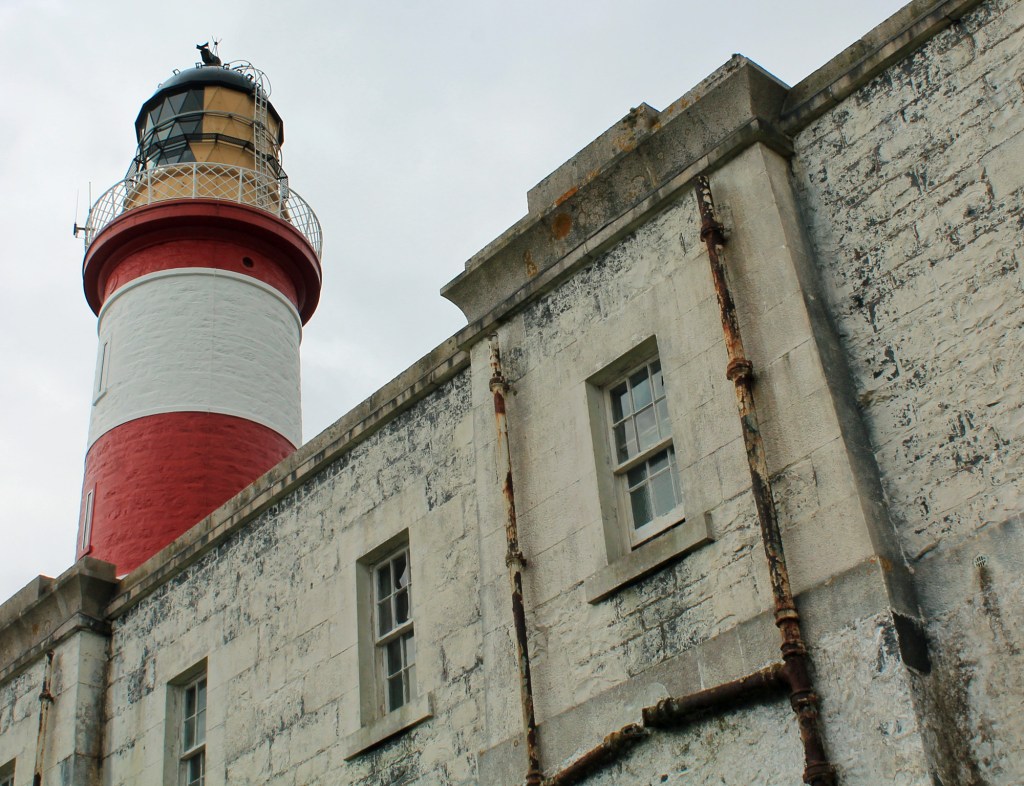
The first Eilean Glas Lighthouse was established by Thomas Smith, who was responsible for all four of the new lights, and was built by local workmen, who laid the foundations, and a team of masons from Edinburgh, who added the tower. The light was first lit on October 10, 1789.
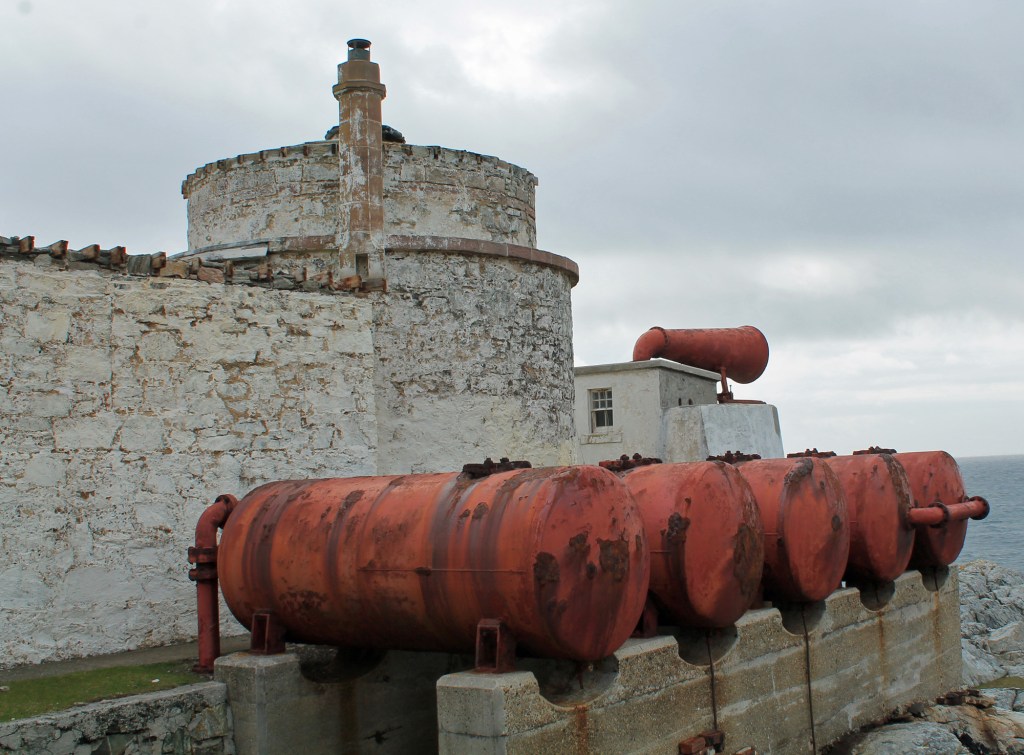
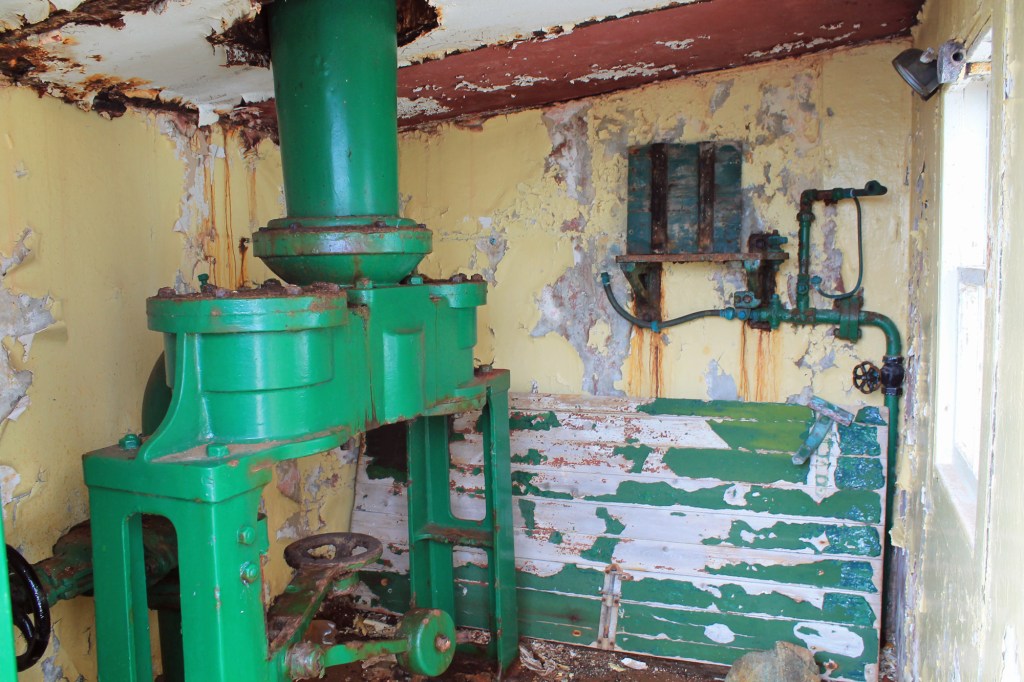
The present red and white striped tower – 30 metres high – was erected adjacent to the original tower in 1824 under the watch of Northern Lighthouse Board (NLB) engineer Robert Stevenson, Smith’s stepson. The light was upgraded in 1852 and in 1907 a foghorn was installed. Powered by compressed air stored in a bank of now rusty metal tanks, it remained in operation until 1987 and can still be seen.
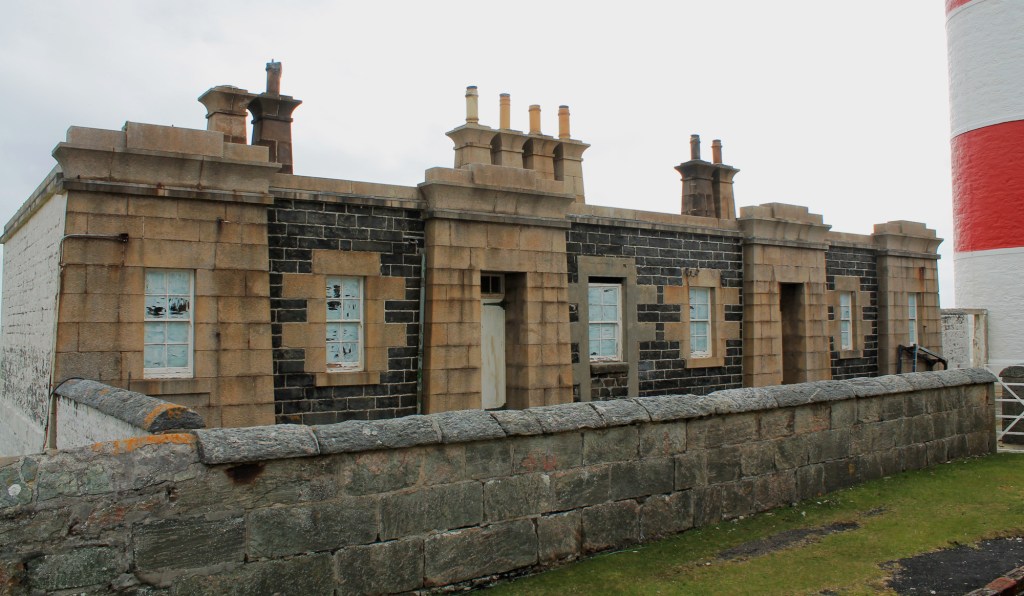
At some point in the mid-19th century two parallel ranges of keepers’ cottages were added along with walled gardens where they could grow their own food, and a jetty. Following automation, a helicopter landing pad was etched out on the ground with stones.
While the lighthouse tower, control room, a welfare building and the helipad remain in the ownership and care of the NLB, various ancilliary buildings and structures including the keepers’ cottages were sold off after the lighthouse was automated in 1978. The light was most recently refurbished and upgraded in 2019.
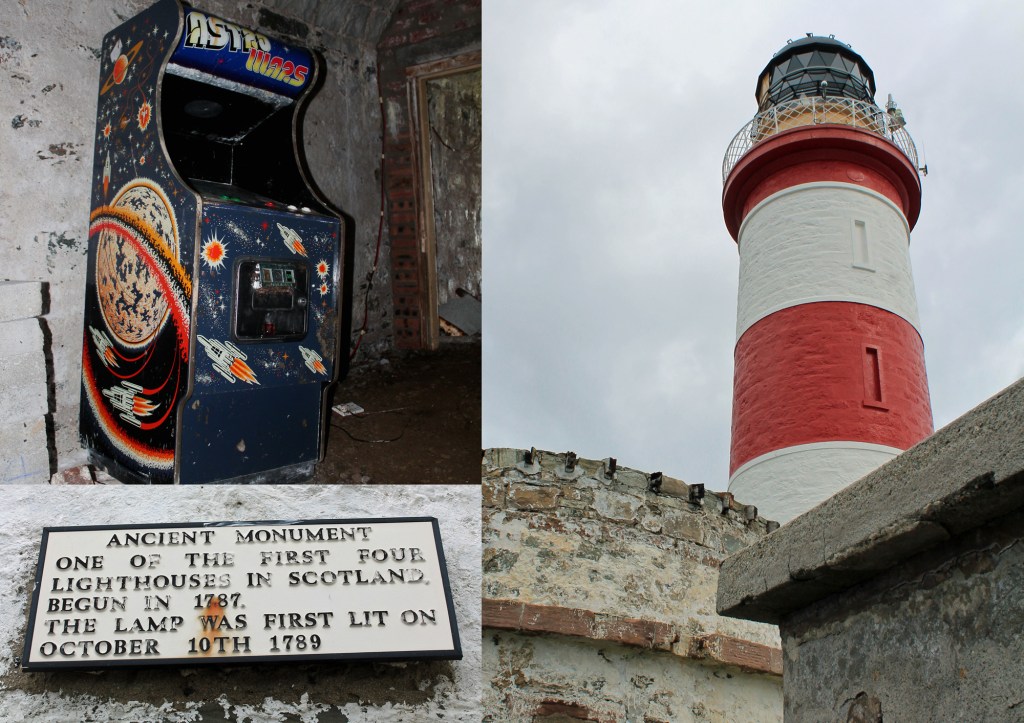
The surrounding buildings, however, faired less well and found themselves at the centre of controversy. In 1984 they were bought by a Hampshire couple who planned to create their dream home at Eilean Glas. They had hoped to open a tearoom and offer visitor accommodation. The couple established and registered a charity, Friends of Eilean Glas Trust, to raise money to preserve and protect the buildings, which are Category A listed.
However, unable to keep up with the cost of maintaining the complex, they were convicted of stealing over £100,000 of money from the fund to cover mortgage payments and pay for what the court described as a lifestyle beyond their means. The pair were each jailed for three years (reduced to two years each on appeal) in 2004. The charity had been shut down and removed from the register three years earlier after the fraud came to light and legal steps were taken to confiscate property on Scalpay, although the couple managed to retain ownership of the lighthouse buildings.
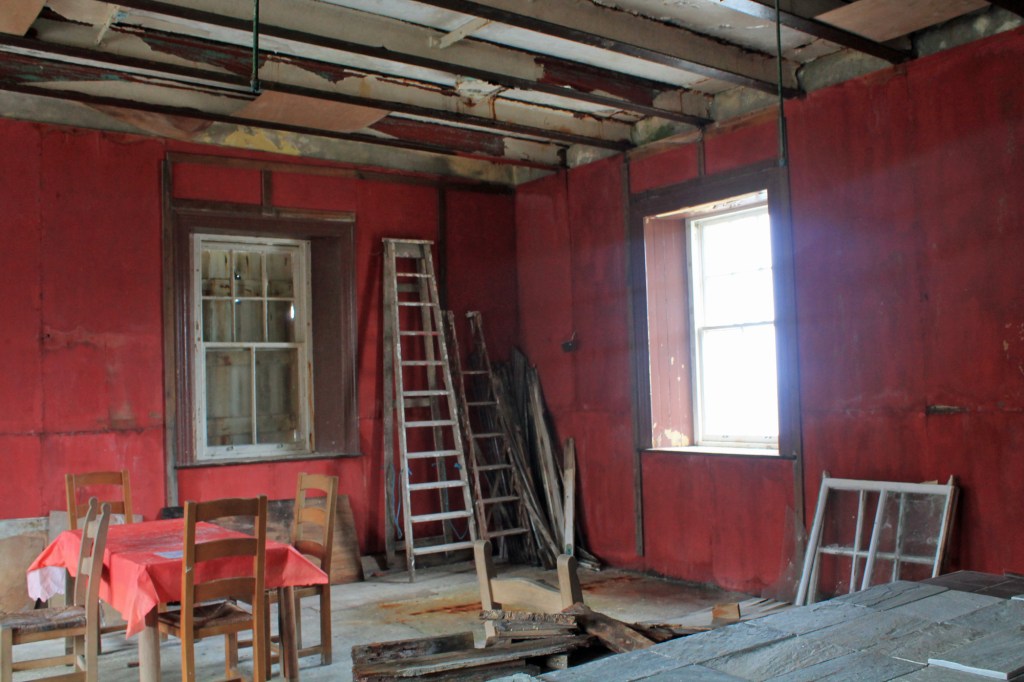
They stood vacant and, located in such an exposed spot, slowly began to deteriorate. In 2005 the property was added to the Buildings at Risk Register, its condition described as ‘poor’. A year earlier, the Scalpay community formed the Eilean Glas Heritage Trust with a view to buying the complex, but this company was dissolved in 2010 after their attempts proved unsuccessful.
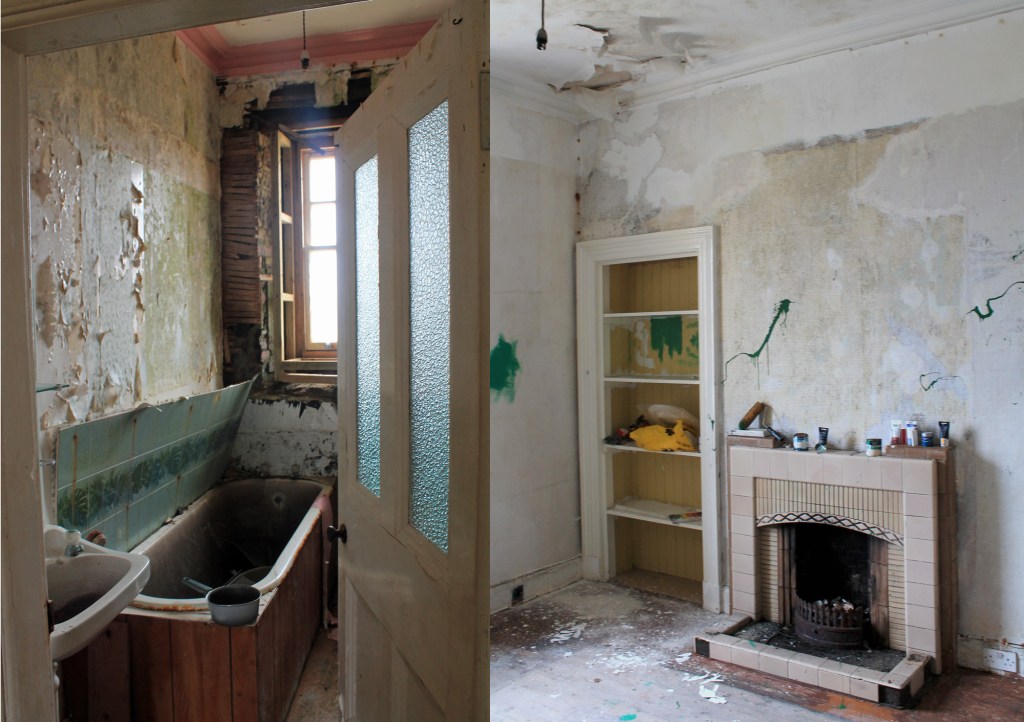
In 2012, Scalpay’s landowner gifted the island to its residents who now manage it in partnership with the North Harris Trust. Islanders renewed hopes to buy the lighthouse complex, one of the most popular visitor attractions in the Western Isles, and set about restoring it. However, it remains under the control of the previous owner, via a trust, and her son who, through the Eilean Glas Trust, a charity registered in Scotland in 2003, are attempting to raise funds for the restoration of the buildings. Some work has been undertaken, including the laying of a new water pipe. Updates can be found on Facebook and Twitter.
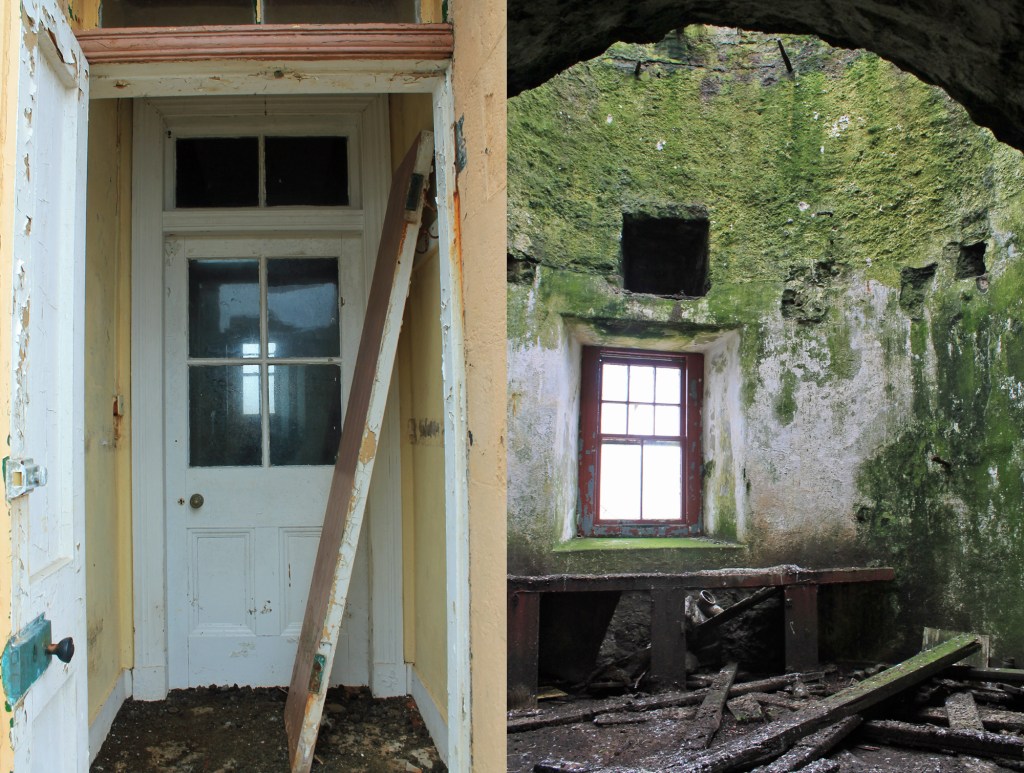
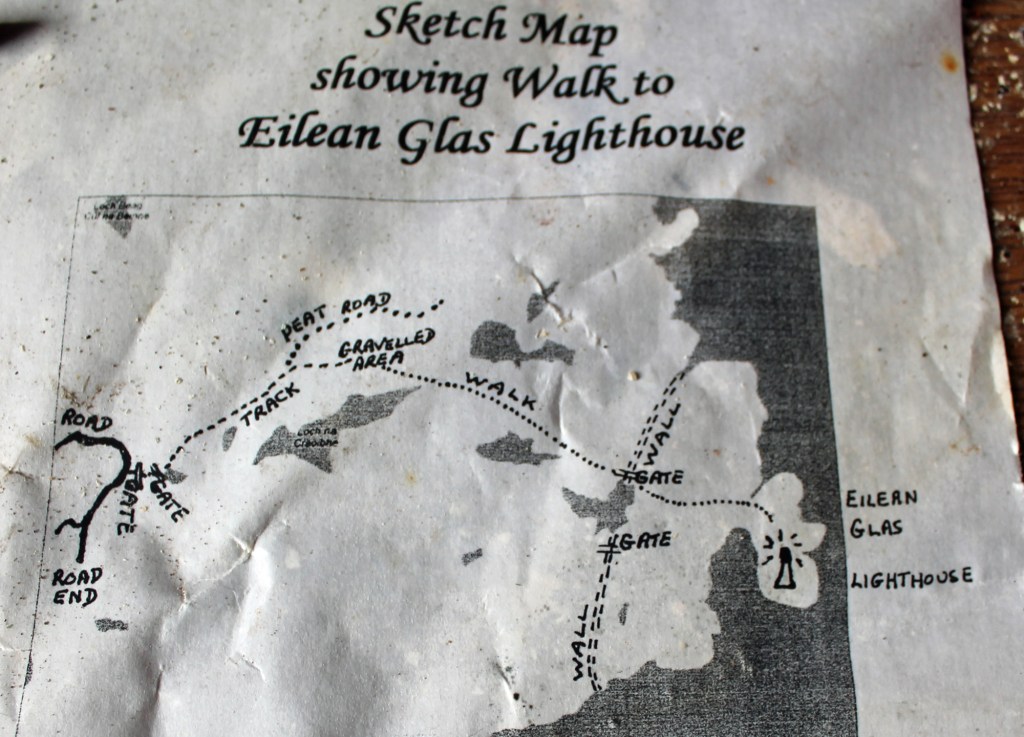
Joined to the Isle of Harris by a bridge, Scalpay is a small island with a population of around 300 originally built around fishing and crofting. A pleasant three hour walk loops around the island, visiting the lighthouse where, during the summer months, you may be able to buy a cup of tea or coffee and a guidebook. Failing that there is a cafe and bistro at North Harbour.
If you have enjoyed this post, and others on the site, you might like to buy me a coffee which helps support the site and funds new content…


1 Comment