
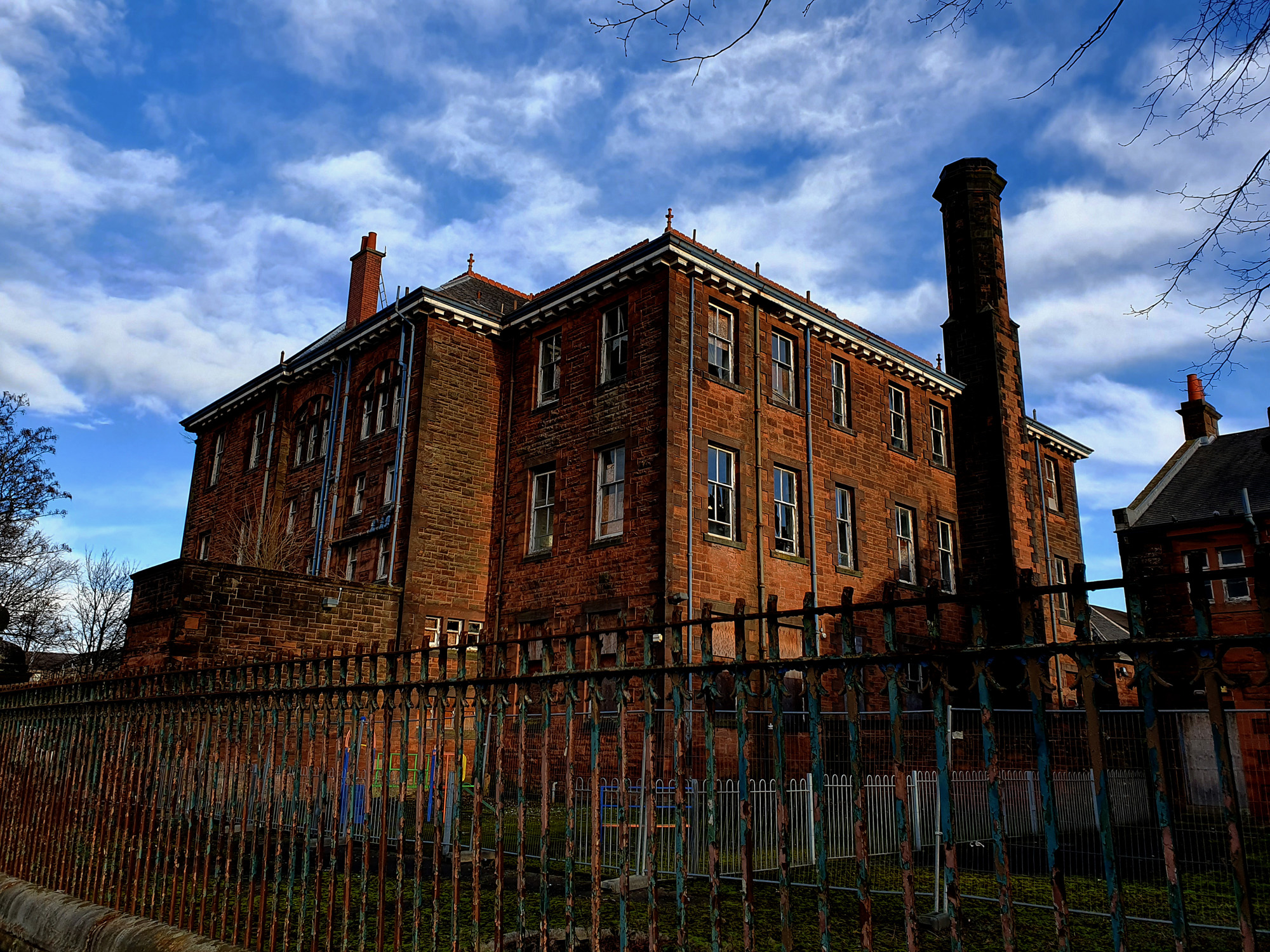
The former Greenfield Public School in the Govan district of Glasgow is an imposing, if rather neglected, Category B listed building that includes football legend Sir Alex Ferguson among its former pupils.
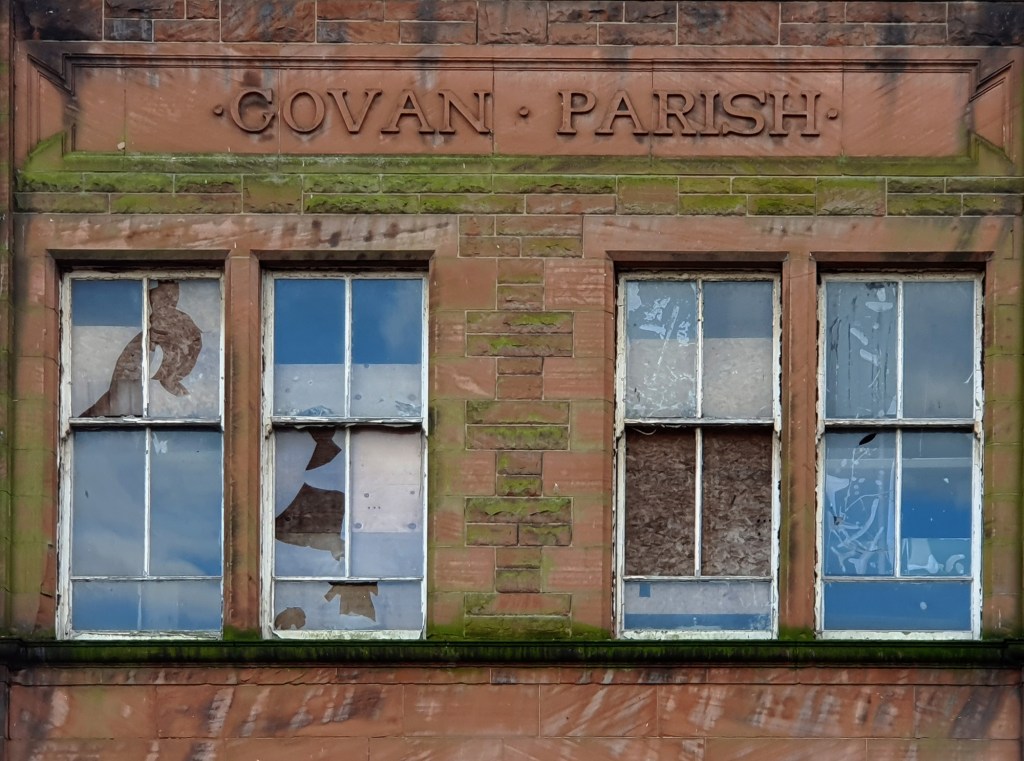
Built in 1901/02 for the Govan Parish School Board, the three-storey (with basement) red sandstone building, designed by Steele and Balfour, could accommodate up to 750 pupils and included a swimming pool, housed in an annexe at the back of the building. The site also includes a janitor’s house and laundry, later converted into a gymnasium. The Italianate design style was typical of large school buildings of the time both in Glasgow and elsewhere.
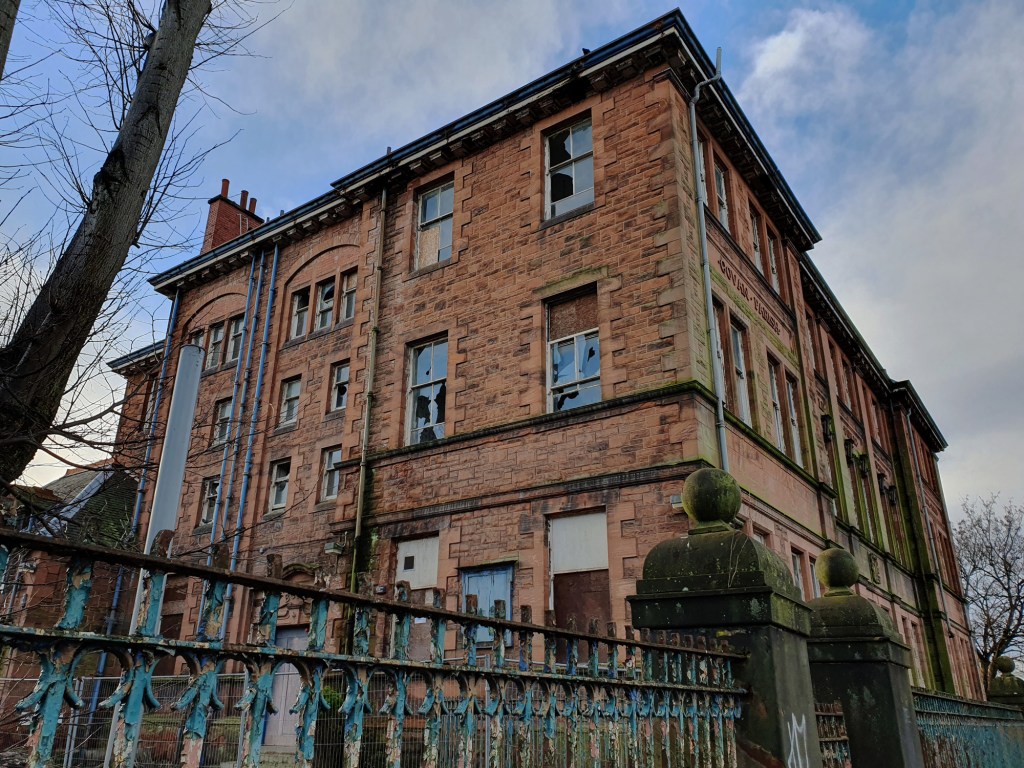
The school was built to comply with the 1872 Education (Scotland) Act, which made education free and compulsory for children between the ages of five and 13. As the second largest city in Great Britain, Glasgow and its surrounding parishes had a pressing need for new school accommodation. The city’s school boards led an ambitious and generously funded programme of school building in the late 19th and early 20th centuries, employing some of the most prominent architects in private practice to design their new buildings.
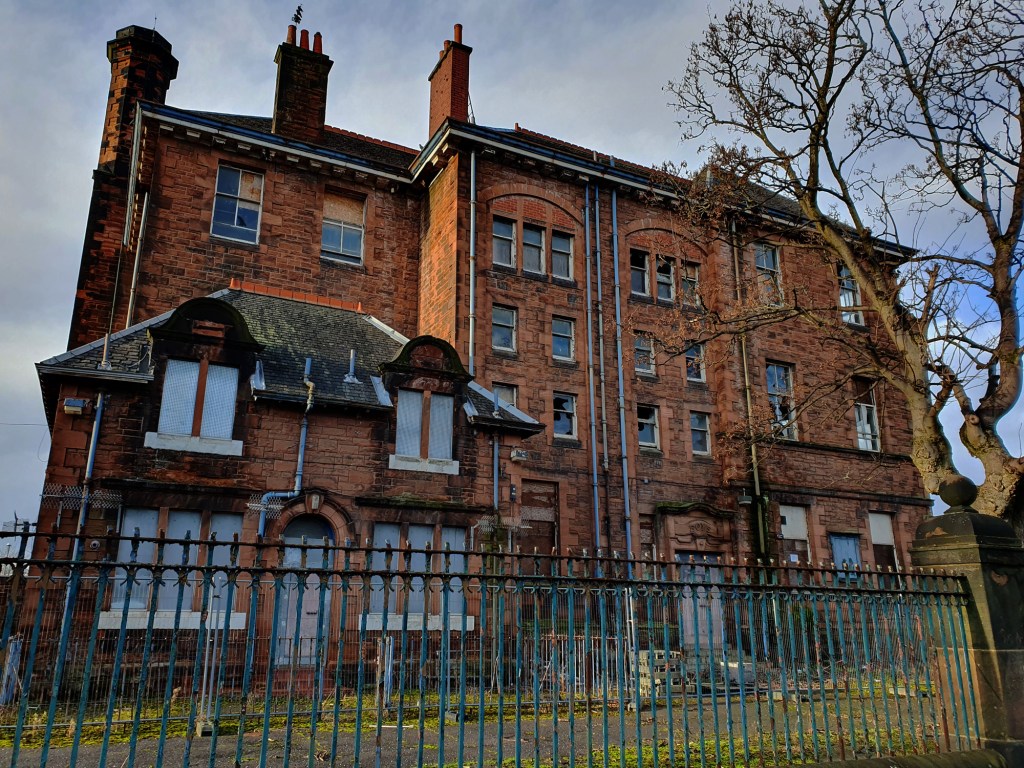
Greenfield Public School is roughly H-plan in form, which is typical for a building of this type. The ‘central hall’ model of school building, widespread in Britain between 1873 and 1920, provided light, airy and safe internal spaces where pupils could gather for lessons, gymnastics and general assemblies. Two early innovations introduced at Greenfield, located on Nimmo Drive, were the lighting of the building by electricity, sourced from the burgh of Govan’s own generating station, and the provision of individual cubicles in the toilets instead of a trough system.
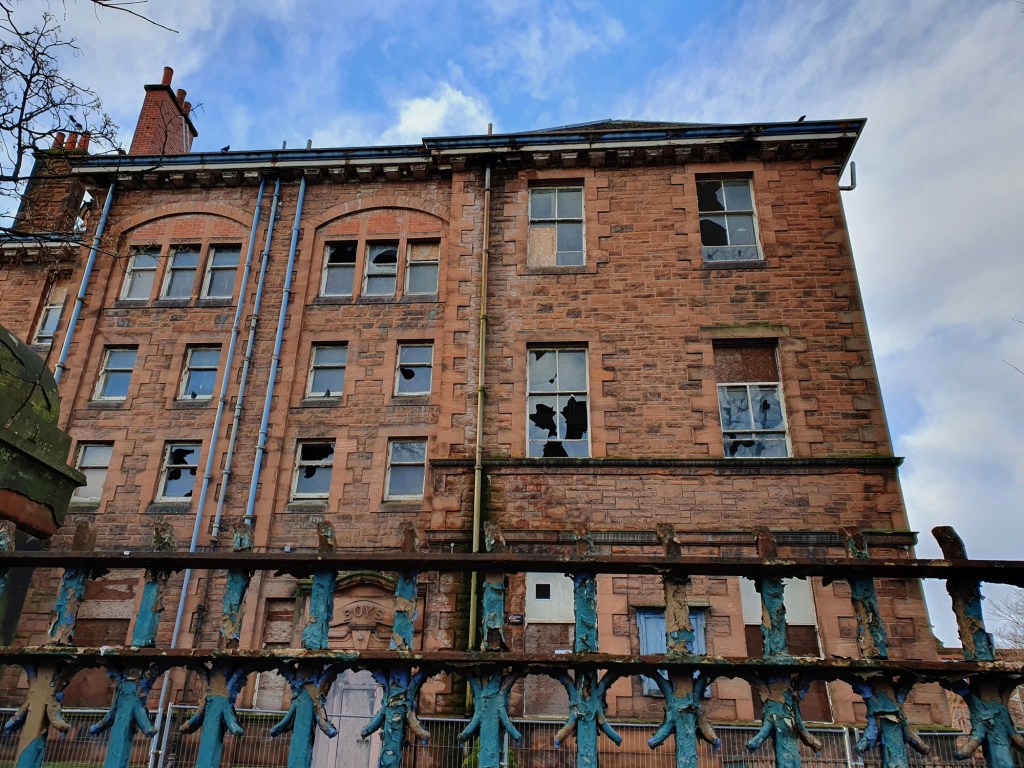
Later known as Greenfield Primary School, the school remained in constant use for over a century before it was closed by Glasgow City Council in 2009, part of a broader trend of shutting Victorian-era schools and replacing them with newer structures. Boarded up, the building has since lain abandoned, suffering from both damp and bouts of vandalism, although in 2017 it was granted listed building status in recognition of its architectural merit and interest.
If you have enjoyed this article, you might like to PayPal.me or buy me a coffee, which helps support the site and funds new content.


