
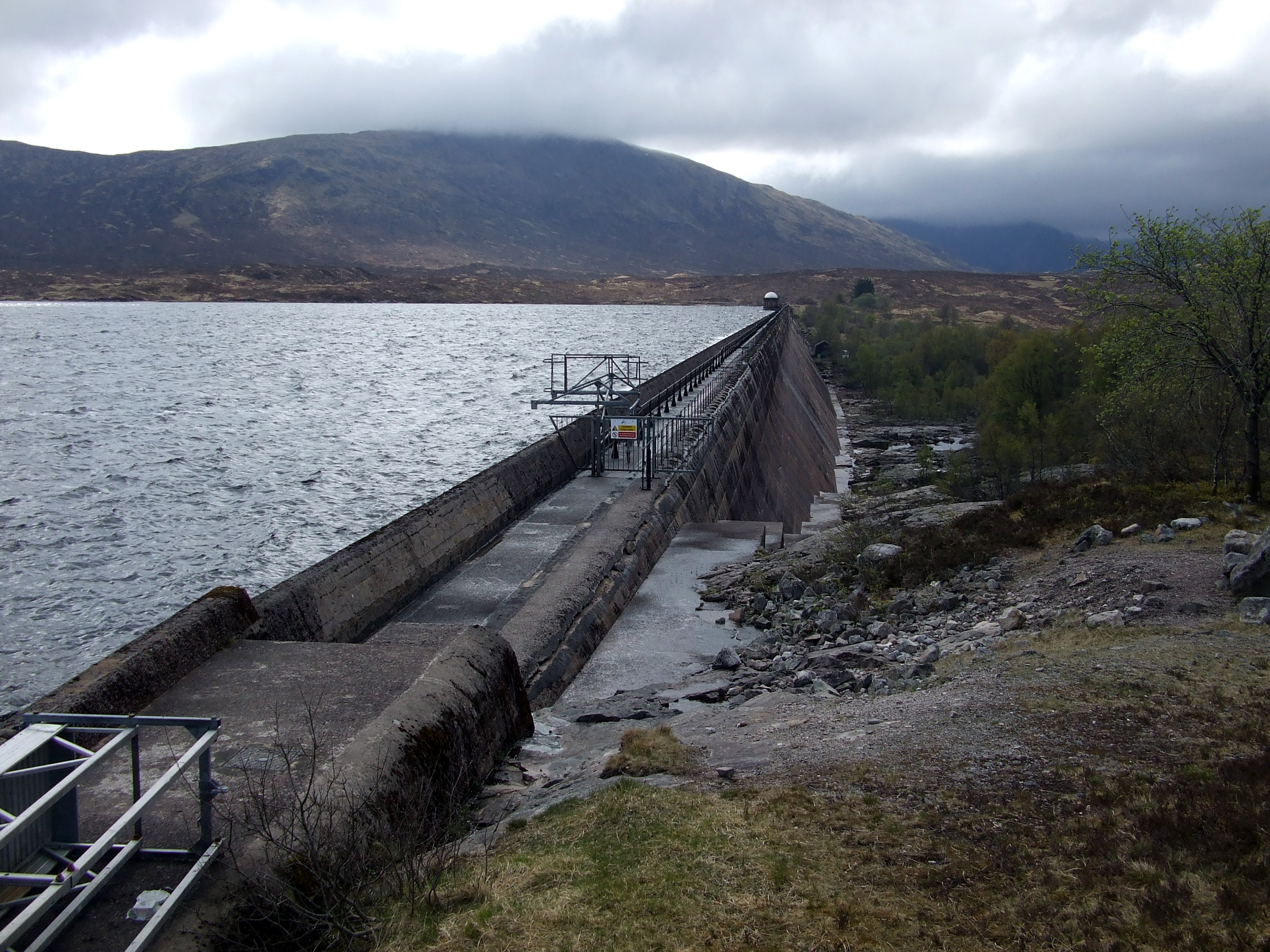
Follow the tumultuous River Leven upstream to the source of industrial power, the mighty Blackwater Dam.
Kinlochleven owes its existence to water. At the beginning of the 20th century, the North British Aluminium Company pioneered hydroelectric generation in the Scottish Highlands, building a smelter at the head of Loch Leven and a dam to harness the power of the Black Water and Ciaran Water rivers. In 2000 the complex closed and Kinlochleven, created to house the workers, has been reborn as a centre for outdoor activities with redundant industrial buildings now accommodating an indoor climbing centre and backpackers’ hostel.
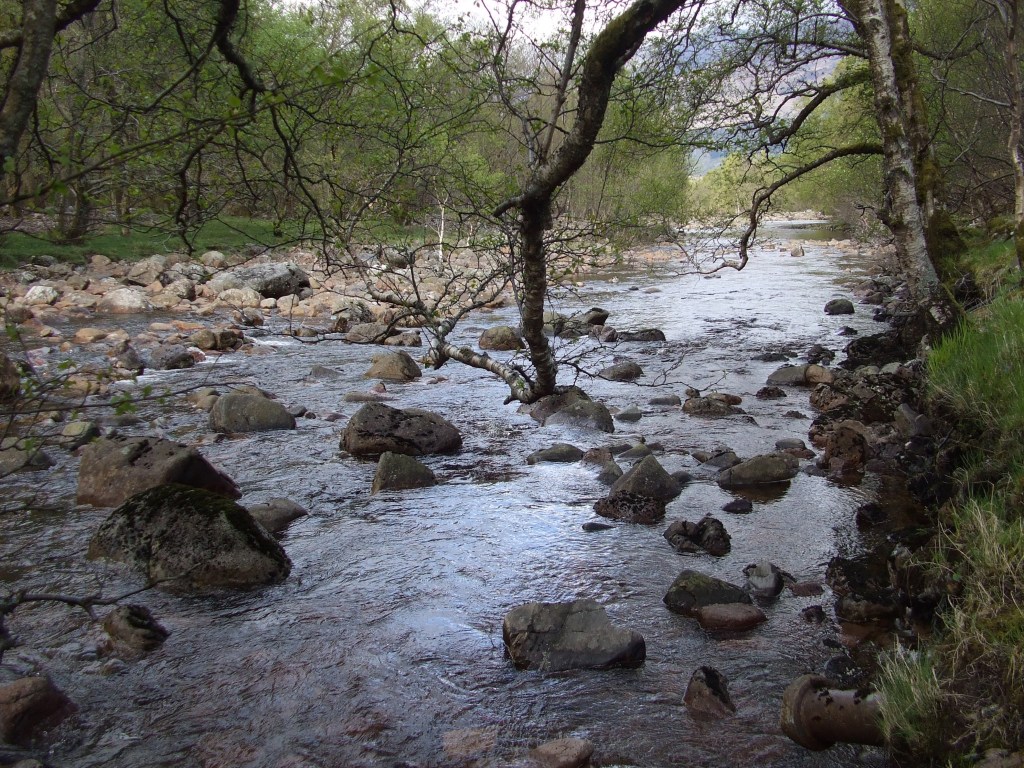
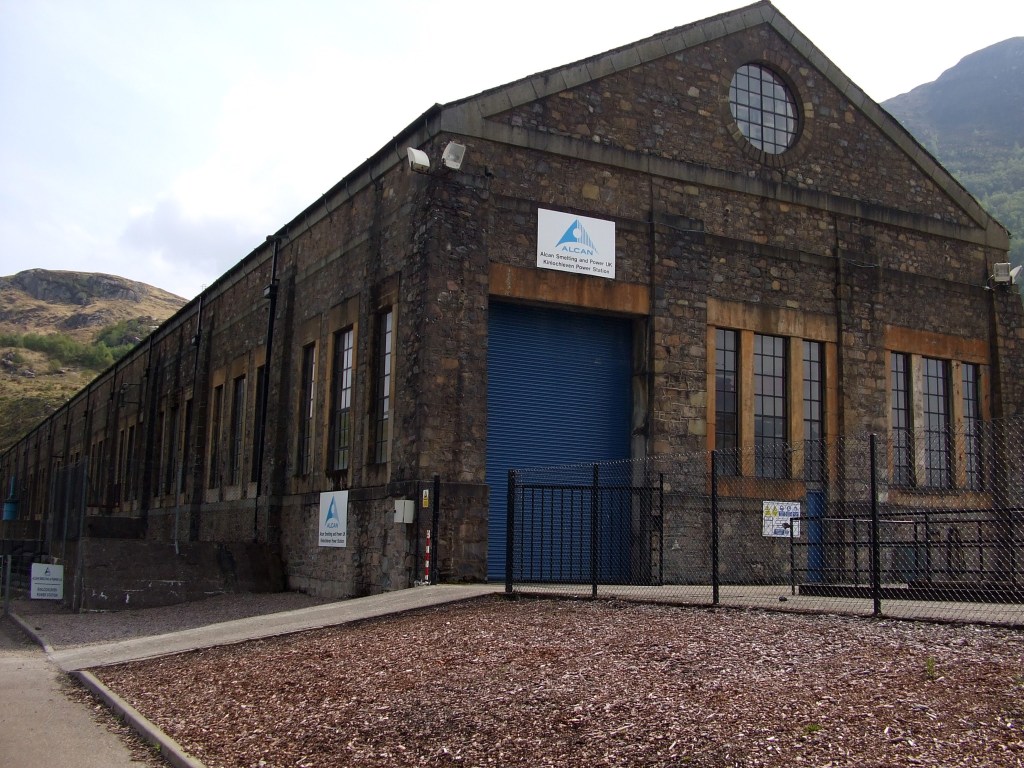
Linking smelter and dam, the Ciaran Path follows the River Leven as it courses through cavernous gorges and tumbles over rocks into deep black pools. The 10-mile-long route follows good paths, but these can be rough and occasionally boggy in places, particularly after wet weather, so wear stout footwear. Pack warm and waterproof clothing as the route crosses open ground with no shelter from the elements, and pack enough food and drink to keep you going. Set off from public toilets opposite the Ice Factor and follow Leven Road over the tailrace, where water from the smelter power station is disgorged back into the Leven, to Kinlochleven Power Station. This is the only part of the smelter still operating, and it provides power for a smelter in Fort William and the National Grid.
Bear left at the end of the road and a track leads to a bridge over the river. Cross and follow the track to join the start of the Ciaran Path, on the right after an electricity substation. The trail undulates through pleasant mixed woodland, where birds fill the air with their song, accompanied by the ever-present rumble of the river.
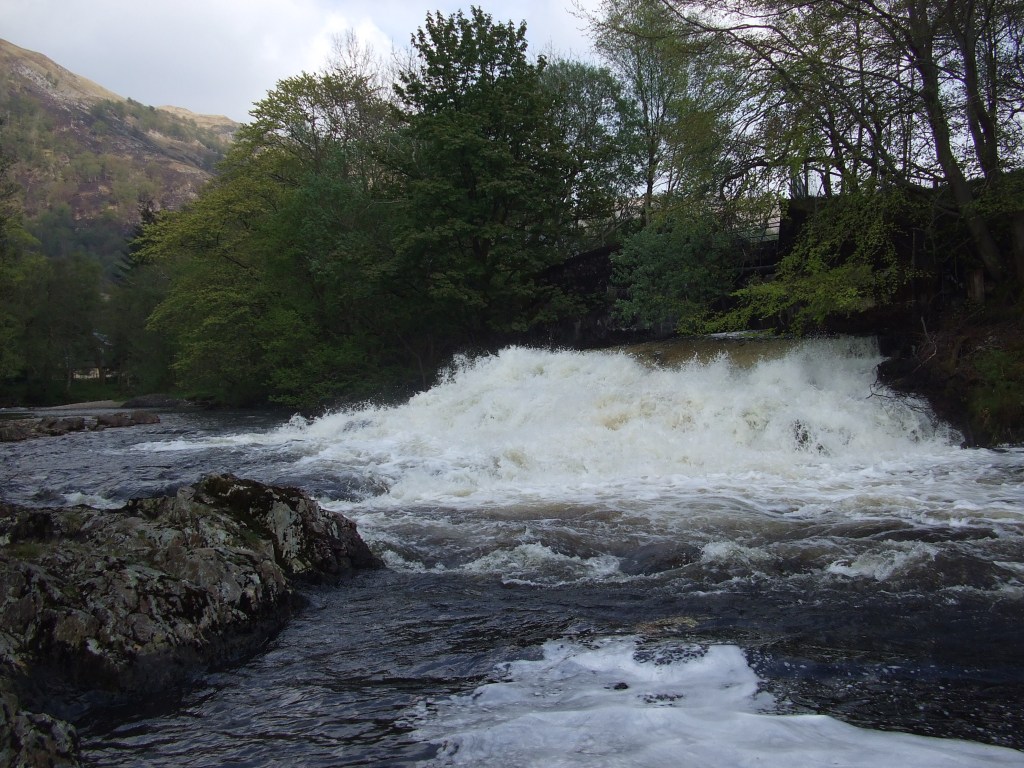
Cross a bridge spanning the Allt na h-Eilde and, a little further on, look out for a waterfall viewpoint on the left. The route continues to climb before flattening out at a grassy plain. During WWI, German prisoners of war were held in a camp here.
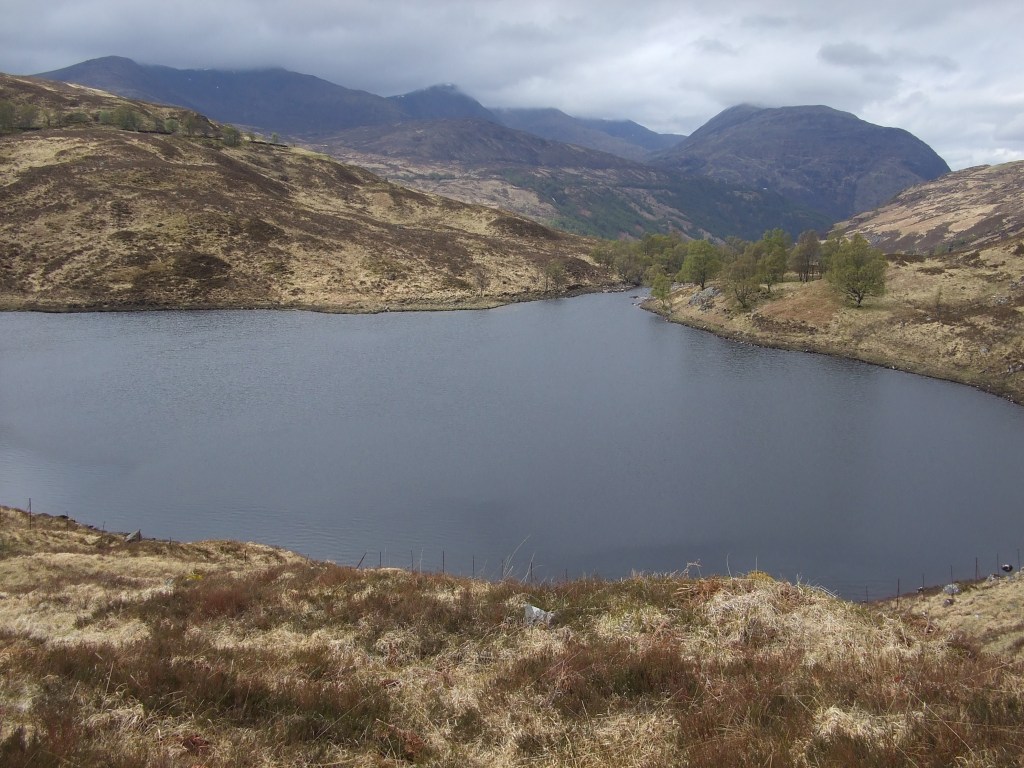
The path follows the river more closely now and there are plenty of opportunities to see deep rocky chasms and waterfalls, tough challenges for the salmon that battle upstream to spawn. A bridge over a tributary higher up has been washed out, but there is an easy crossing above, and in due course the trail emerges from the trees, rising over heather moor to Dubh Lochan and, above a string of pools, the Blackwater Dam. The path meets and follows a part-buried pipeline for the final leg to the dam.
The awesome concrete structure is 1km long and, behind it, the Blackwater Reservoir stretches across Rannoch Moor. It was the last major project in Scotland to be built without the aid of machinery and 3000 navvies were employed in its construction.
Retrace your steps to the point where the Ciaran Path meets the pipeline and go straight on. A path follows the pipeline, built to funnel water from Loch Eilde Mor into Blackwater Reservoir, round the hillside and this elevated route offers vistas over the wooded valley of the River Leven and the myriad of waterfalls sweeping the steep rocky slopes.
Where the pipeline curves north, look out for a small cairn on the left. It marks the start of a path that descends, steeply in places, to meet the Ciaran Path in the base of the valley. Rejoin it for the return to Kinlochleven.
If you have enjoyed this article, you might like to PayPal.me or buy me a coffee, which helps support the site and funds new content.


