
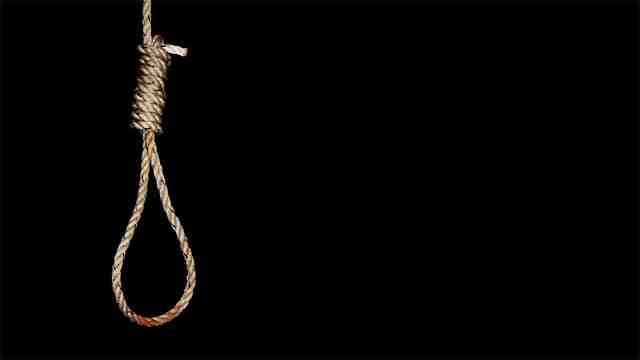
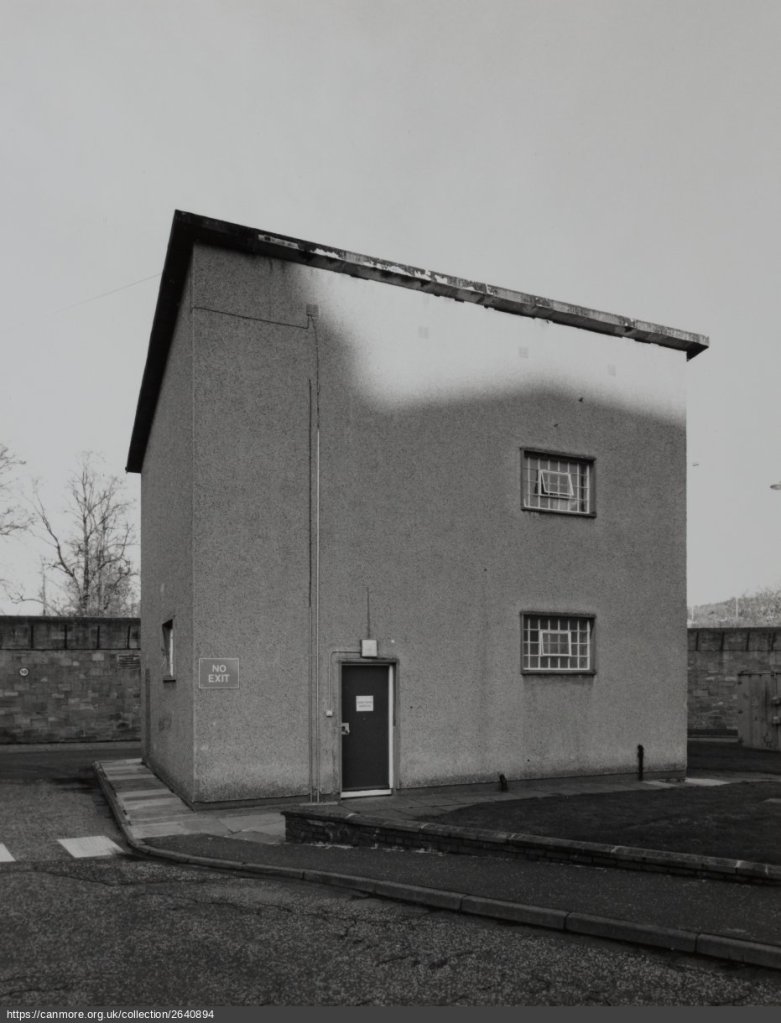
This unassuming structure, concealed within the grounds of Perth Prison for four decades, hid a chilling secret. Built in 1965, it looks not unlike the Scandinavian-inspired Modernist-style council houses of the time. However, the utilitarian two-storey building with its shallow-pitched roof was constructed as an execution suite. Officially, the prison’s Capital Punishment Block, it was generally referred to as the ‘hanging block’, containing a purpose-built gallows. Up until then, the three 20th-century hangings took place within D Hall, where there was a scaffold and a condemned cell. However, following the recommendation of prison governors during the 1948 Royal Commission on capital punishment, new execution chambers were to be housed in purpose-built blocks separate from the main prison.
So, with a view to the future, this standalone block was constructed. On the upper floor, there was the Scaffold Room, complete with a trapdoor and lever. Below, the ground floor would likely have contained a mortuary slab. The sloping roof provided space for the sturdy beam from which the rope hung.
However, it had come too late in the day. A societal shift in attitudes on capital punishment in the early 1960s was in part prompted by the execution of 19-year-old Anthony Miller at Barlinnie Prison in Glasgow. He was the last prisoner to be hanged at Barlinnie and the second last to face the gallows in Scotland. He and a co-accused were convicted of the murder of a man in a park in Glasgow on April 6, 1960. It was a robbery gone wrong, but Miller was convicted of murder and sentenced to death while his accomplice was too young to be hanged. A plea for clemency was rejected, and Miller walked to his death on the morning of December 22, 1960. The case is widely credited with changing many people’s minds about capital punishment for murder, which was suspended in the UK in 1965, initially for five years, and then abolished. It was replaced by a life sentence.
As a result, there was no real need for the new hanging shed at Perth, the last condemned suite to be built in Britain. However, it was maintained and, following the demolition of the hanging shed at Barlinnie in 1995, the Perth facility was kept for use in the unlikely event of a death sentence being passed for one of the remaining capital offences, treason and piracy with violence. Both carried a mandatory death penalty until 1998. In 1995, the Scottish Prison Service confirmed it had, by law, to maintain one execution suite.
After 1998, the scaffold was dismantled and the suite housed offices and a training facility for prison officers before it was finally demolished in 2006. It outlived the gallows at Saughton Prison, Edinburgh, which were dismantled in 2003, while the Aberdeen Craiginches hanging block was demolished along with the rest of the prison in 2014 after seeing out its final days as office space.
The last man to be hanged within the walls of Perth Prison was Stanislaw Myszka, a Polish national convicted of the murder of Catherine McIntyre, who had been found beaten to death in her home near Kenmore in September 1947. She had been robbed of £90 and her wedding ring. A hideout was found close by, where police recovered a razor, a sawn-off shotgun covered in blood, and a railway ticket stub. Myszka, a farm labourer who arrived in Scotland in 1945, was suspected after it was revealed that the gun could have come from a farm where he once worked. He was arrested by police in Aberdeenshire and stood trial in Perth in January 1948. Myszka maintained his innocence throughout the proceedings but was convicted largely based on the discovery of one of his hairs on the razor found in the hideout. The jury deliberated for just 20 minutes before returning a guilty verdict.
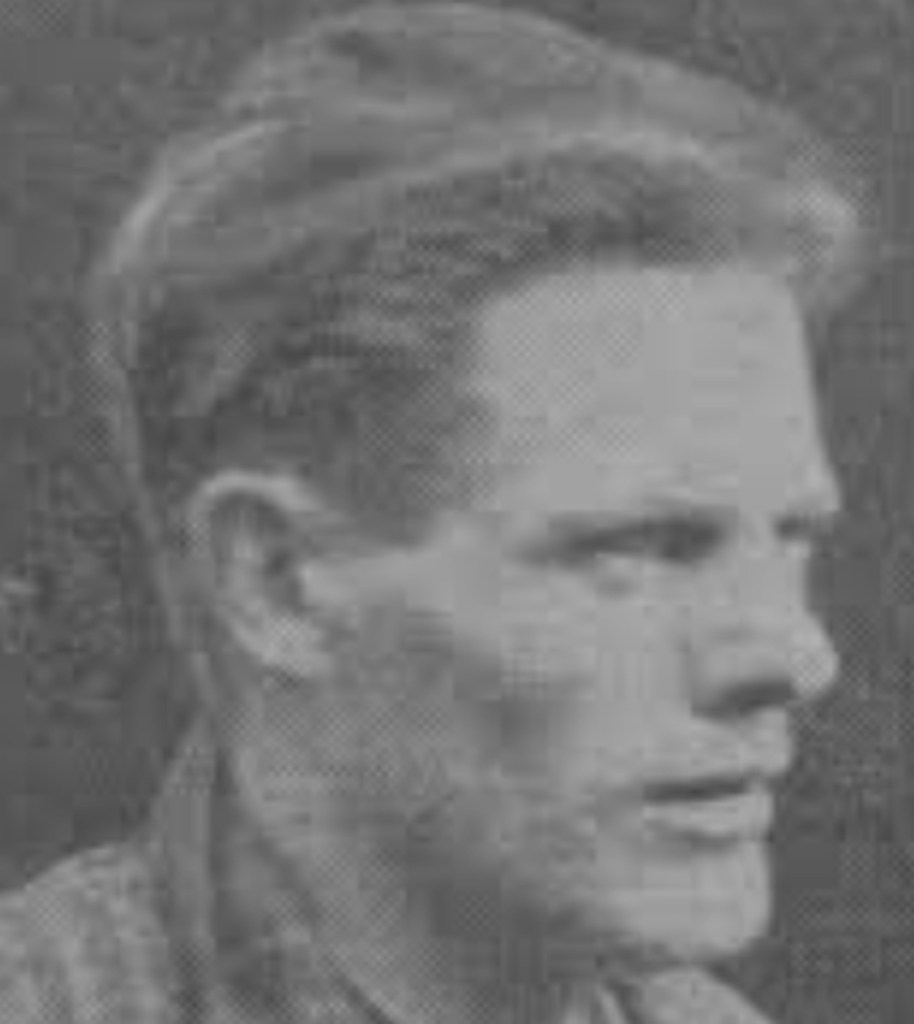
On February 6, 1948, Myszka was hanged by Albert Pierrepointe. The Dundee Evening Telegraph reported that, at 8am, a small crowd gathered outside the gates of Perth Prison while, within the walls, Myszka walked calmly from his condemned cell, where he had been visited by a Polish priest, to a specially erected scaffold. The report stated that he showed no emotion and made no last-minute requests. At 8.10am, a note was pinned on the door of the prison confirming the execution.
Myszka was one of only three judicial hangings to take place in Perth Prison during the 20th century. Forty years earlier, on August 19, 1908, Edward Johnstone (32) was executed for the drink-fuelled jealousy murder of his 25-year-old girlfriend Jane Wallace in Fife on June 7. He cut her throat. The following year, unemployed miner Alexander Edmundstone (23) went to the gallows after battering 16-year-old Michael Swinton Brown to death during a robbery in Buckhaven, Fife. Following his victim off a tram and into a public toilet, Edmundstone made off with £85, a watch, and a chain.
The first execution within the walls of Perth Prison dates back to October 4, 1870, when vagrant George Chalmers (45) was convicted of the violent and bloody murder of tollbooth keeper John Miller on December 21, 1869, near Braco, Perthshire. A crowbar had been used to inflict brutal head injuries in the attack. The killer made off with some money, a silver watch and various items of clothing, and a £50 reward was offered for information leading to his arrest. Chalmers most notable features were his red hair and whiskers. However, he was also described as having a ‘long body and short legs’ and spoke with a stutter. When he was arrested six months later in Dundee, he was wearing some of the clothing stolen from the tollbooth.
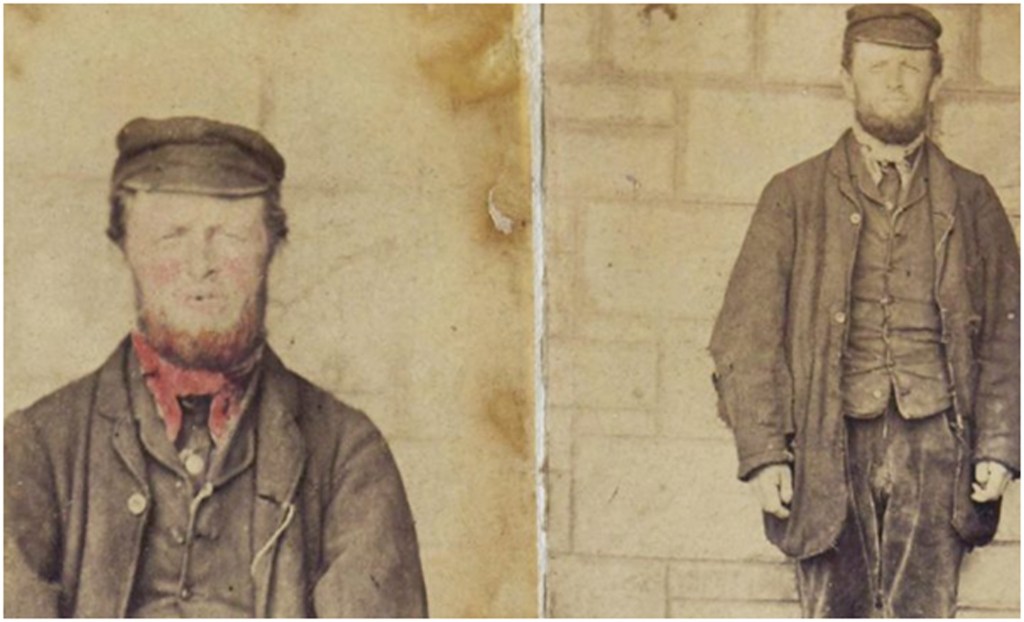
Chalmers protested his innocence to the end, and he successfully gathered support for his cause, including two petitions with some 600 signatures. But it was to no avail, and he was hanged by William Calcraft on a gallows erected outside the Governor’s House and screened from public view. After public executions were abolished in 1868, it was Scotland’s first private execution and the Dundee Courier reported: ‘All the necessary preparations were completed almost without anyone knowing about them; and so far as the appearance of the town last night concerned, the streets being as quiet as usual, no stranger would have been led to suppose that on the morrow the horrifying spectacle of an execution was to take place.’ Chalmers, like those who would follow him, was buried in an unmarked grave in the prison grounds.
HMP Perth, the oldest operational prison in Scotland, currently holds over 670 inmates, serving a variety of prison sentences.
If you have enjoyed this article, you might like to help with a future research project or PayPal.me or buy me a coffee, which helps support the site and funds new content.

 Secret Scotland