
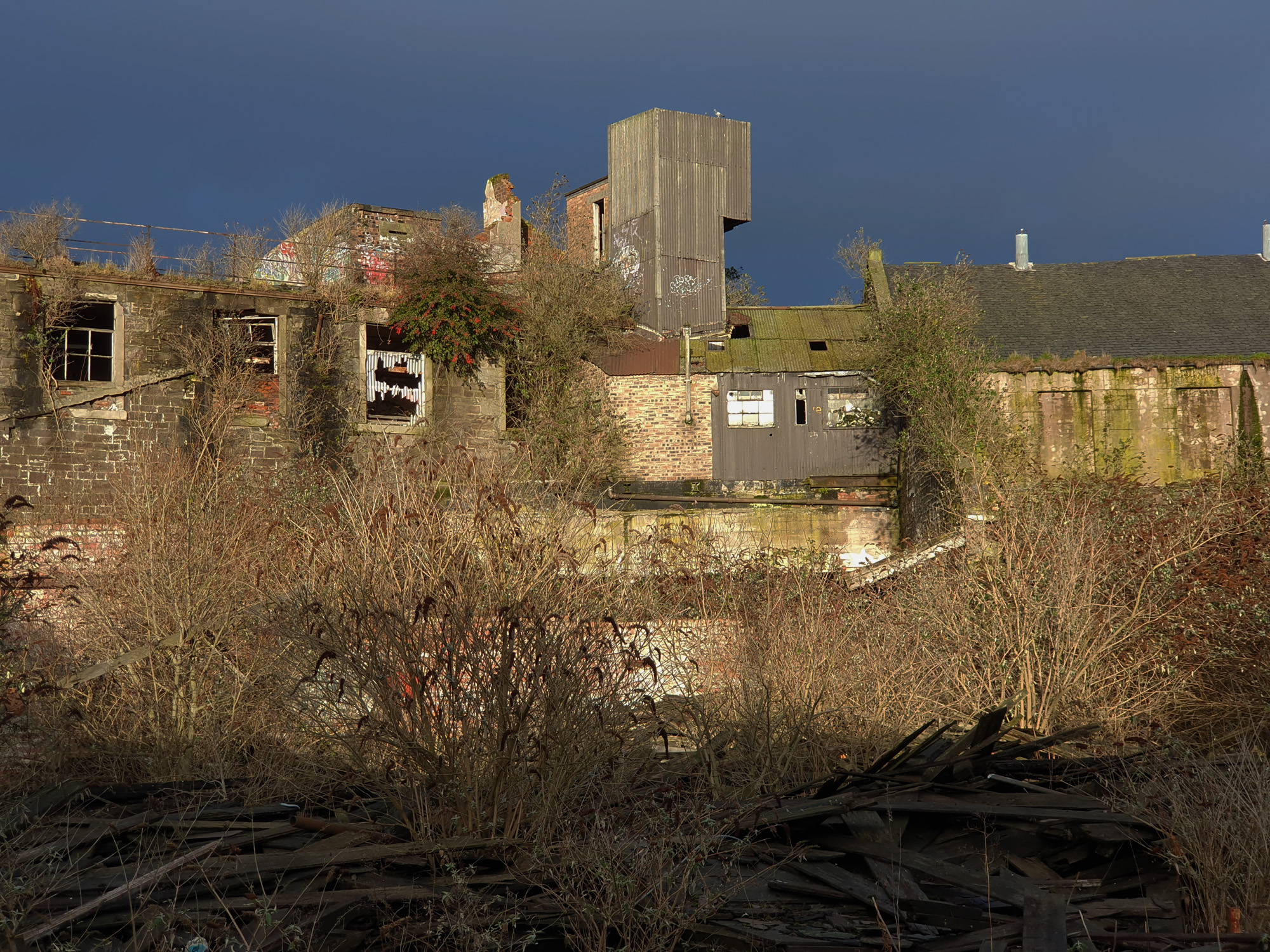
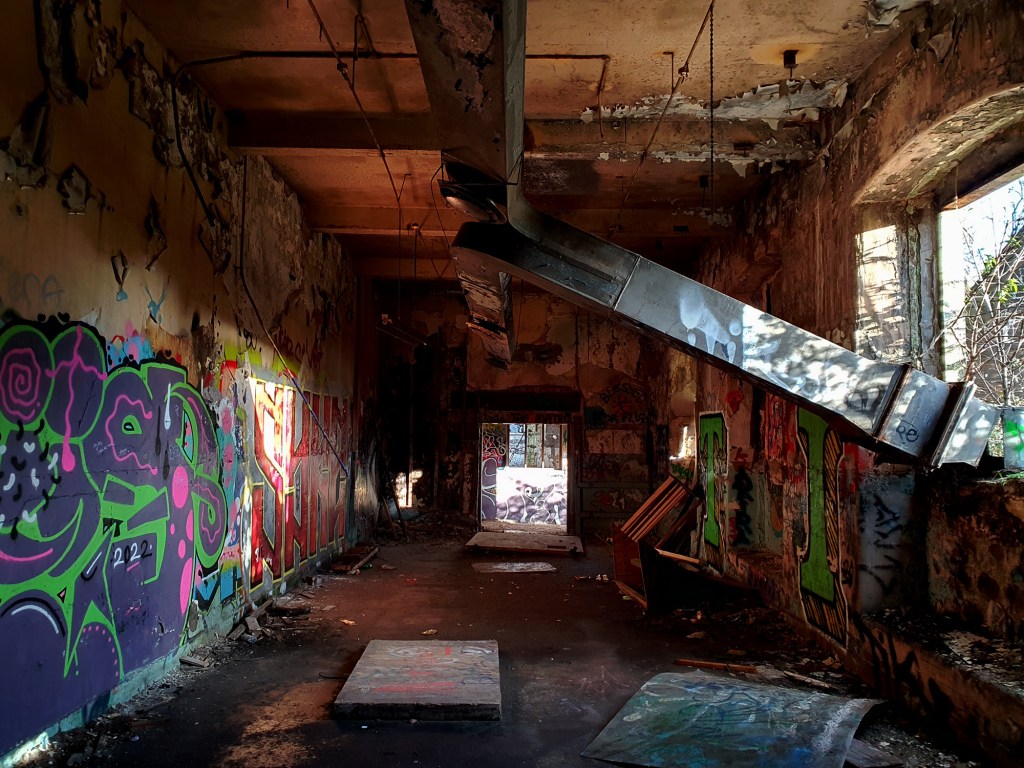
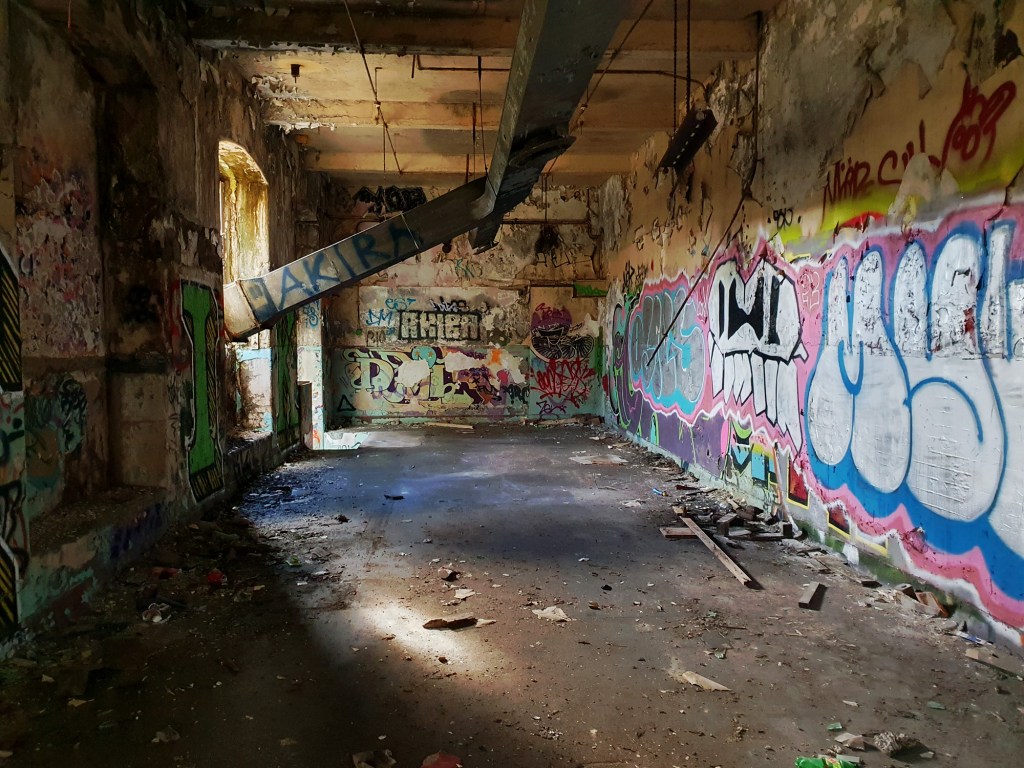
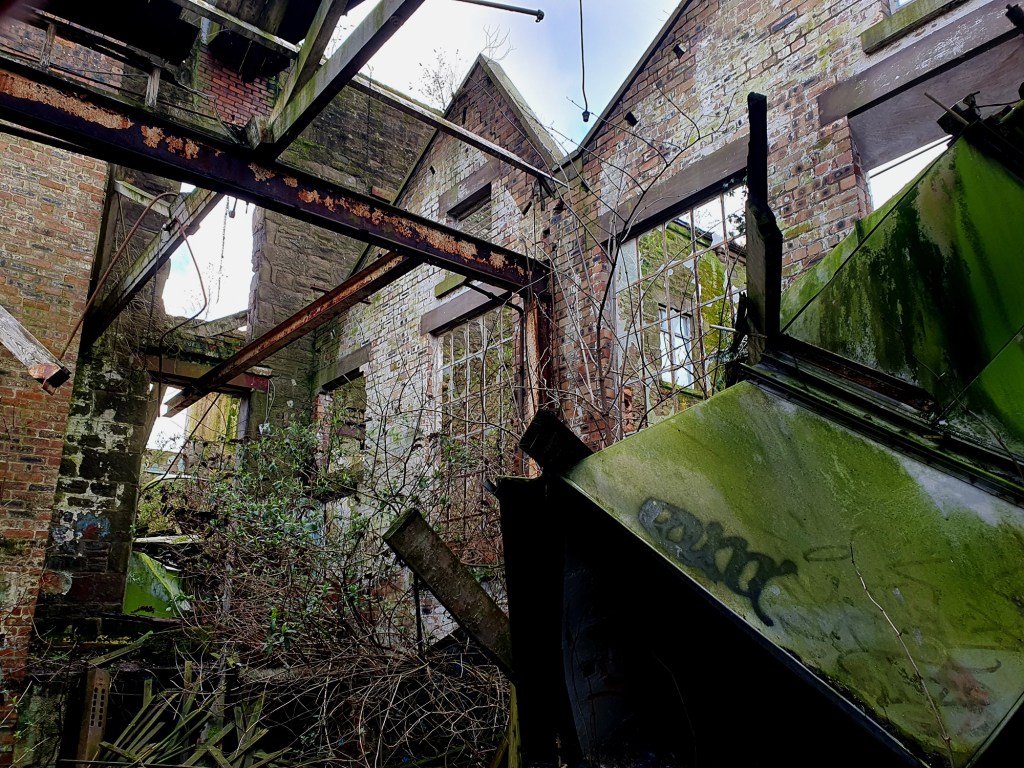
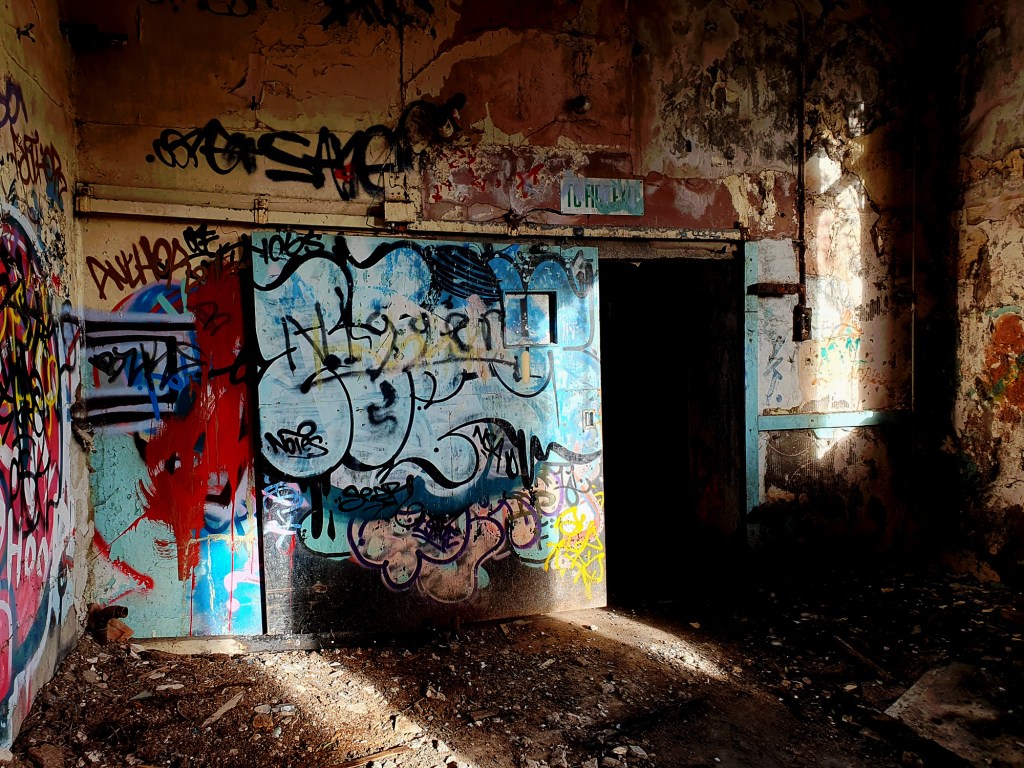
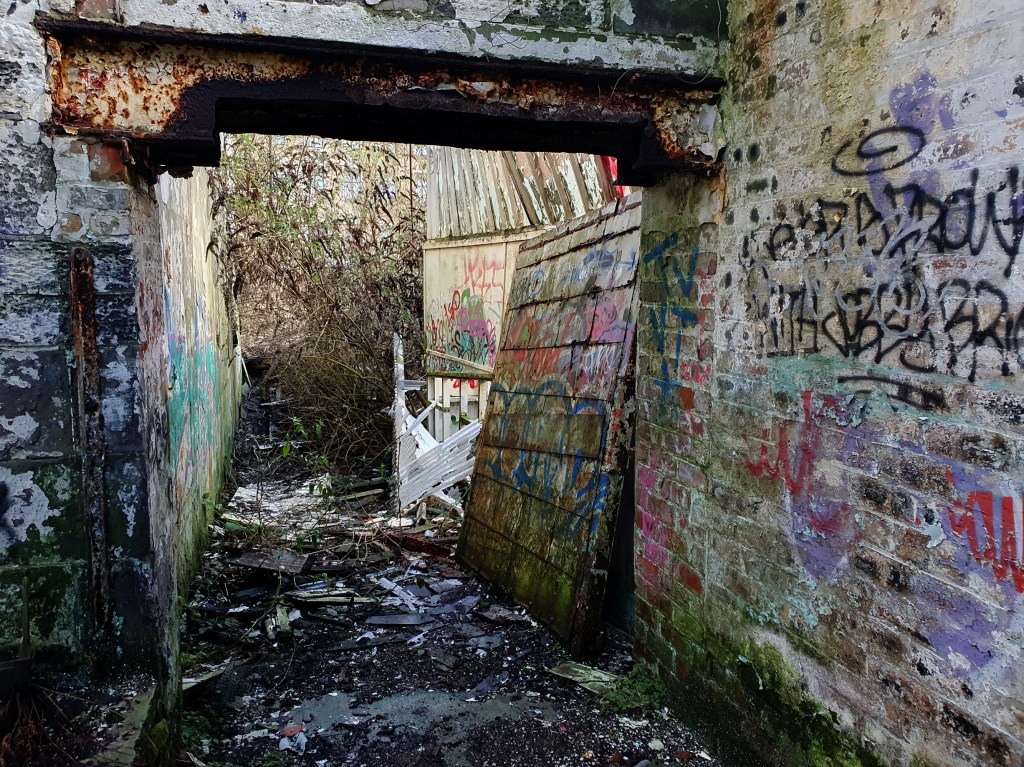
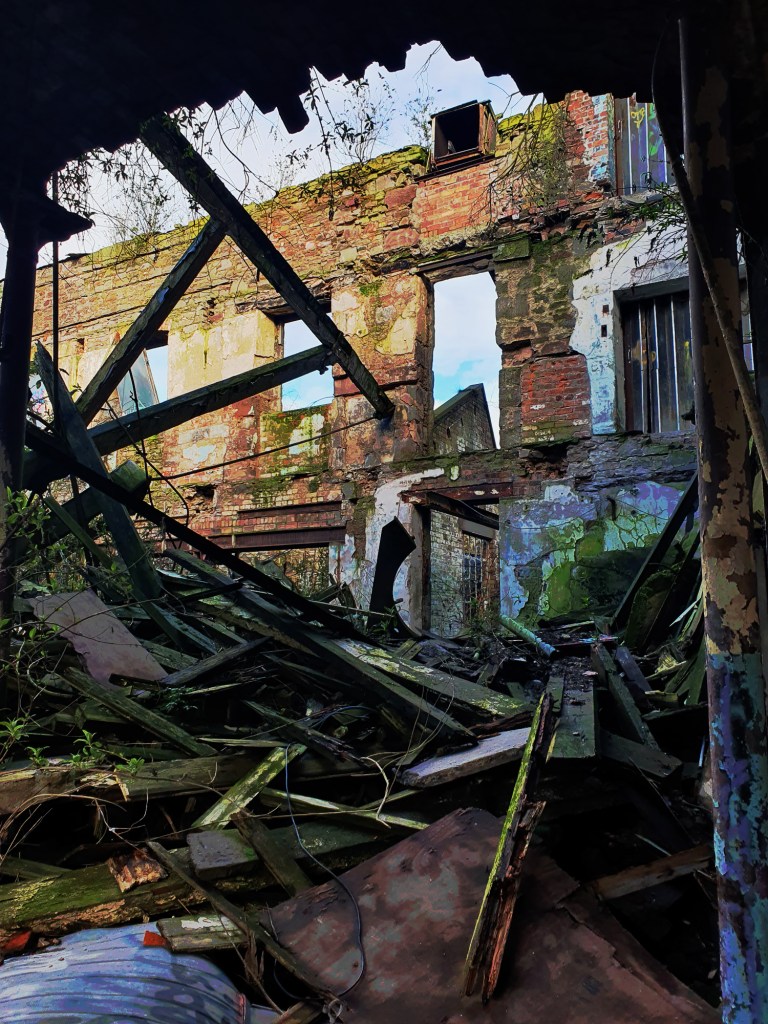
The Lower Pleasance Works – latterly named Queen Victoria Works – in Dundee was the world’s oldest operating jute mill when it finally closed its doors in 1990. But such an historical accolade is lost on the site today, where collapsed roofs and crumbling walls are occupied only by flocks of pigeons, their droppings piled high on floors where once people previously toiled to earn a living. Now only an atmosphere of abandonment and neglect – peppered with the inevitable graffiti – prevails.
The business was established with such high hopes and optimism back in 1828 by textile entrepreneur James Forbes as a flax mill and his complex took six years to build. But the investment paid off and it quickly prospered in a city known for its textiles industry. In the 1870s, under new owners Ritchie & Simpson, who were more focussed on jute production, a power loom factory and ponds to wash the jute were added.
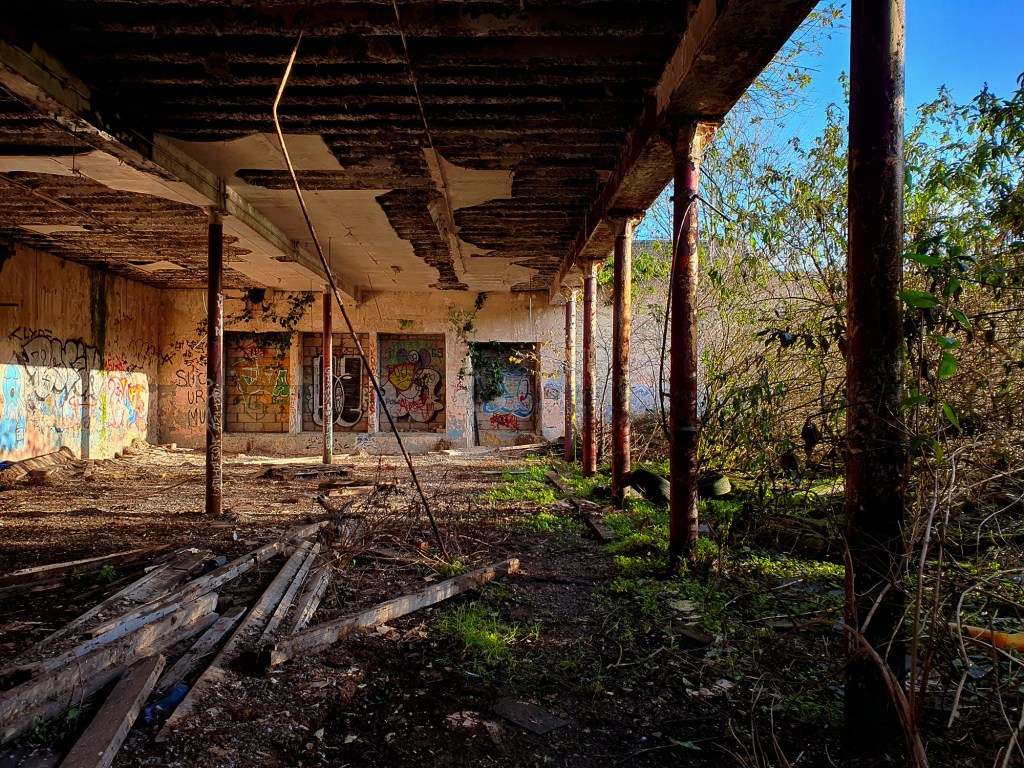
The central remaining core of the works – a cluster of sandstone buildings – appear to date from this period when Ritchie & Simpson opened up a lade running beneath the site to harness its water. Plans from 1872 show a two-storey with attic structure sitting above a flooded basement. The original wooden floors were supported on cast iron columns. Adjacent to this was a single-storey shed, its roof again supported by cast iron columns, which dated from earlier. There was also an engine house to power the factory.
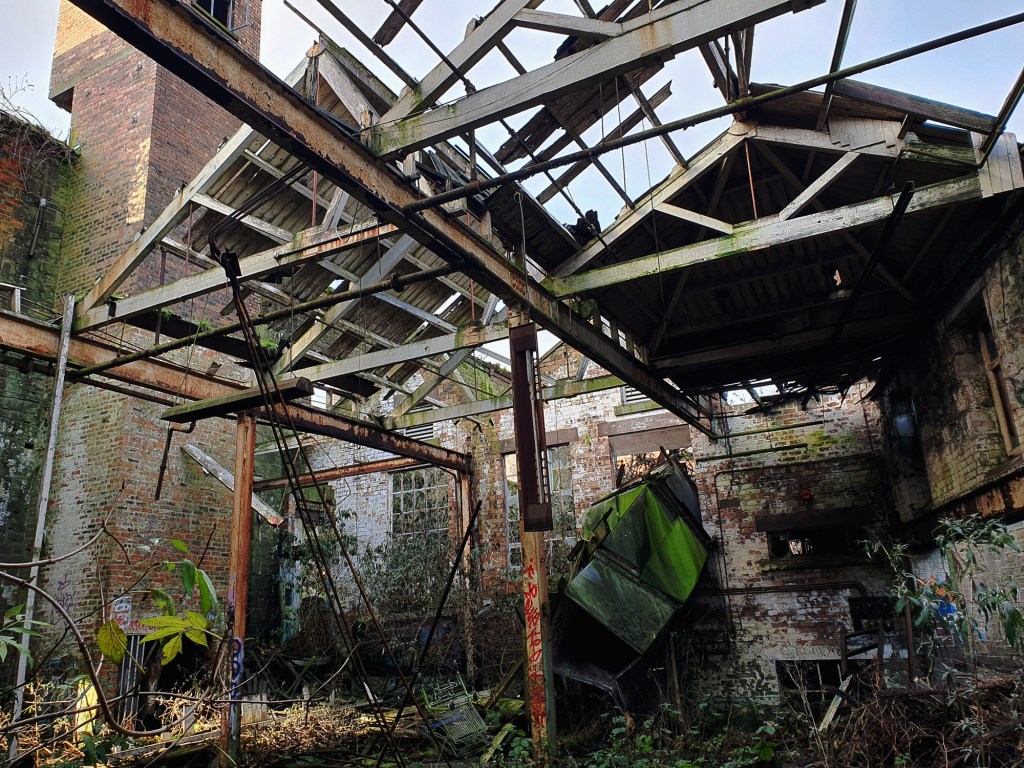
Adjacent but separate was a spinning mill – known as Regent Works – with its own engine house and boiler room and, over time, additional single-storey sheds were added. A former public house on Brook Street was incorporated into the complex, providing additional office space. At its peak, the business occupied a hectare and a half of ground bounded to the south by Brook Street and, to the north, by Douglas Street, and it also occupied sheds and some land to the north of the latter.
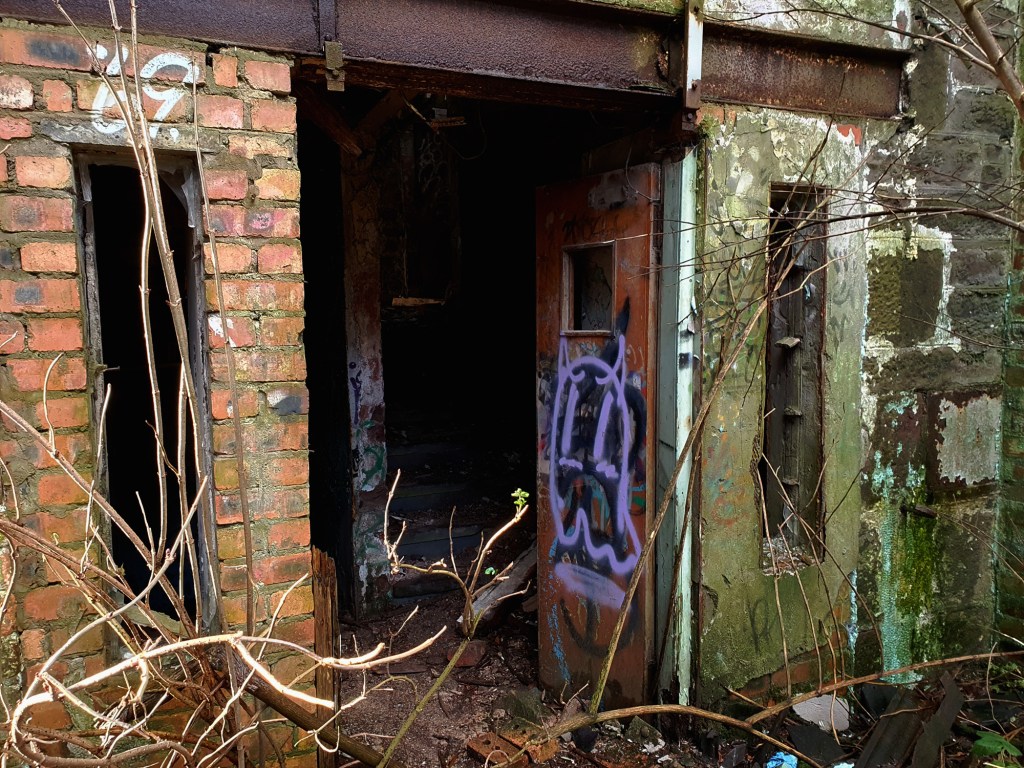
The complex was renamed Queen Victoria Works in 1887 by then owners James & Charles Lyell to celebrate the Golden Jubilee of Queen Victoria.
It was just one of no fewer than 100 individual jute mills in the city at the start of the 20th century, the burgeoning industry employing some 50,000 workers – many of them women – in the processing of raw jute imported from India and the manufacture of textiles. Many of these mills were located within the Blackness area, where Queen Victoria Works was sited.
The city’s Jute Barons had pioneered jute processing in the early 19th century when it was discovered that by adding whale oil to the raw jute fibres they were able to spin it, creating a textile that could be used to make rope, twine, sacks, canvas and sailcloth. The invention of the mechanised power loom in 1864 revolutionised the process and the city became the largest jute manufacturer in the world, exporting to Europe and the colonies.
The Queen Victoria Works survived increasing competition from the developing Calcutta mills in the 1920s and the post First World War decline in the industry, when many mills closed down, production gradually moving to India. It passed through a succession of owners, latterly Victoria Spinning Company, Victoria Spinning Ltd and Tay Spinners Ltd. In its final years the factory produced carpet backings.
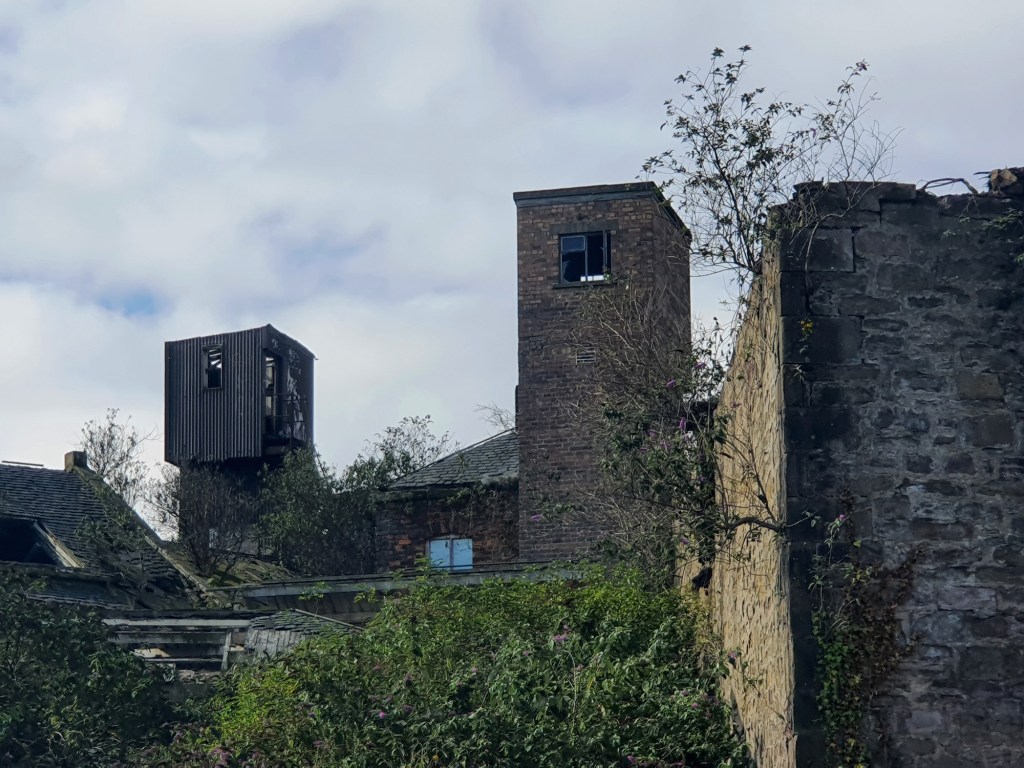
The mill remained largely unchanged although a brick-built lift shaft and adjacent corrugated iron-clad lift shaft at the heart of the complex appear to be later additions. The last occupants of the site were Tay Spinners Ltd who continued in production at another mill in the city – Taybank Works, on Arbroath Road (the last jute spinning mill in Europe) – until 1998.
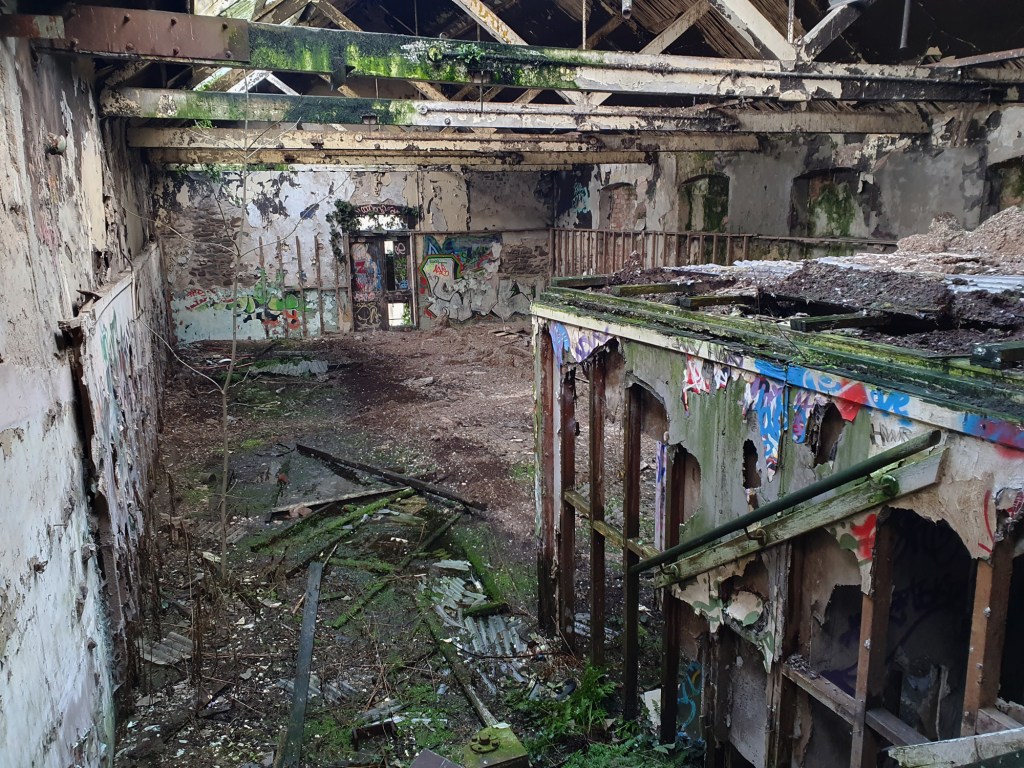
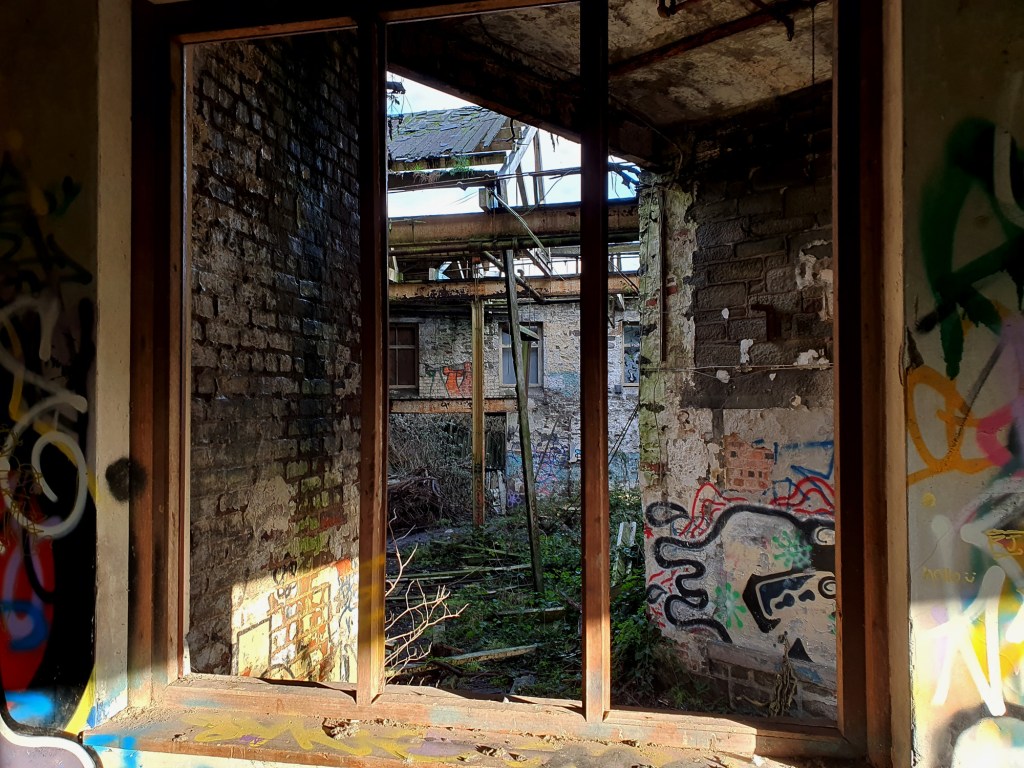
While neighbouring mill buildings have been converted into flats, offices and a museum celebrating the city’s jute history – Verdant Works – Queen Victoria Works was left vacant and rapidly deteriorated. Targeted by vandals, it remains derelict to this day and the buildings are in an advanced state of collapse. A fire in July 2022 completely destroyed a large part of the site.
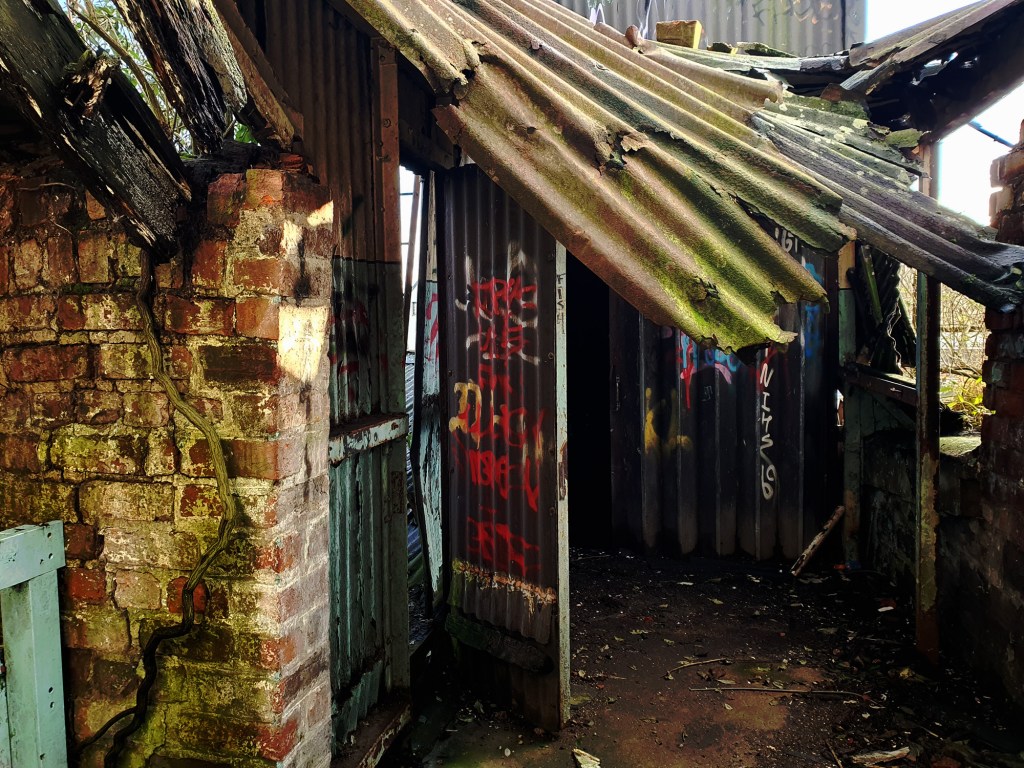
The core mill buildings are category B listed while part of the former Regents Works – unlisted – was demolished in mid-2022 as part of an effort to make the site more secure and deter the dumping of old tyres and other rubbish within it.
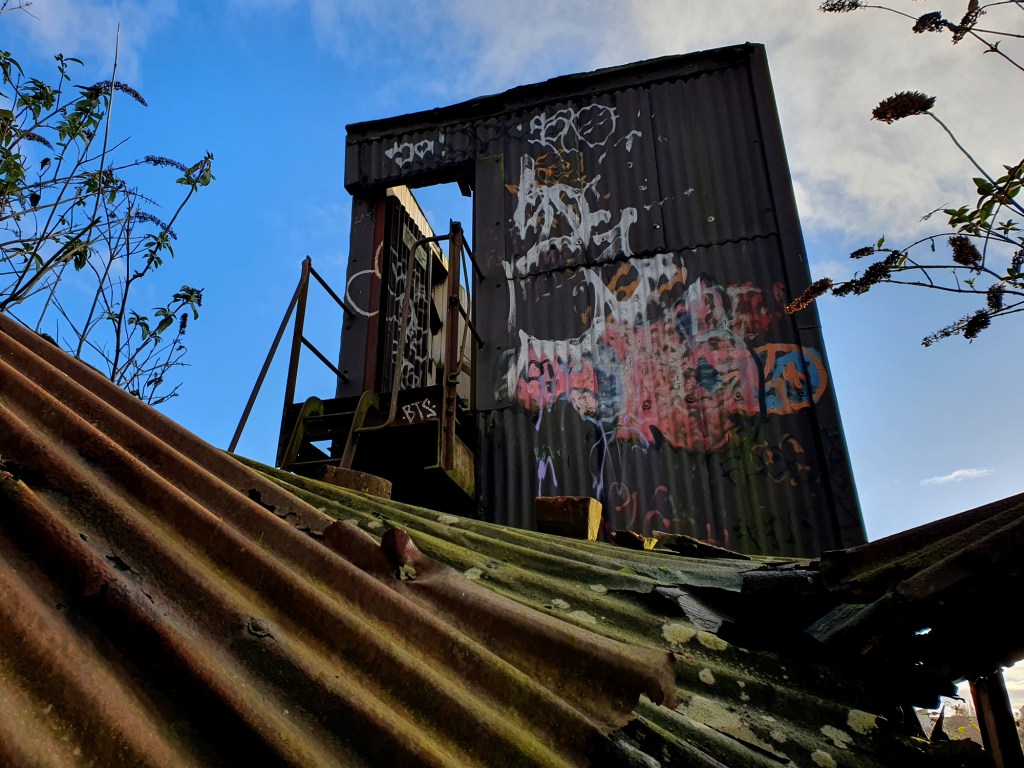
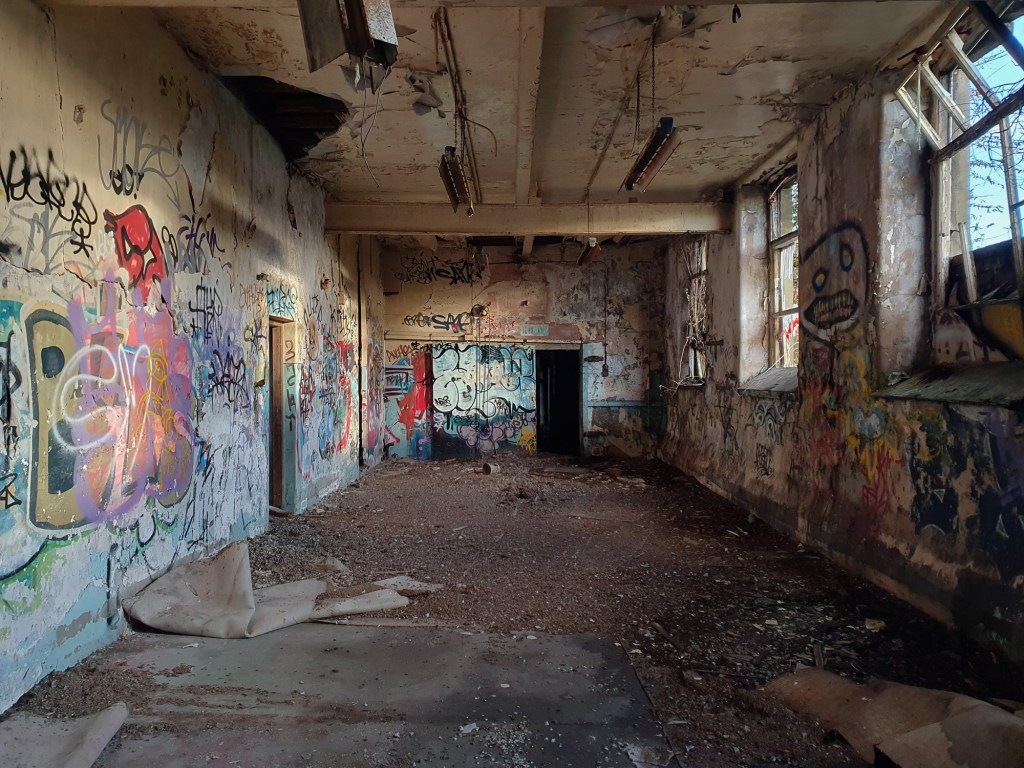
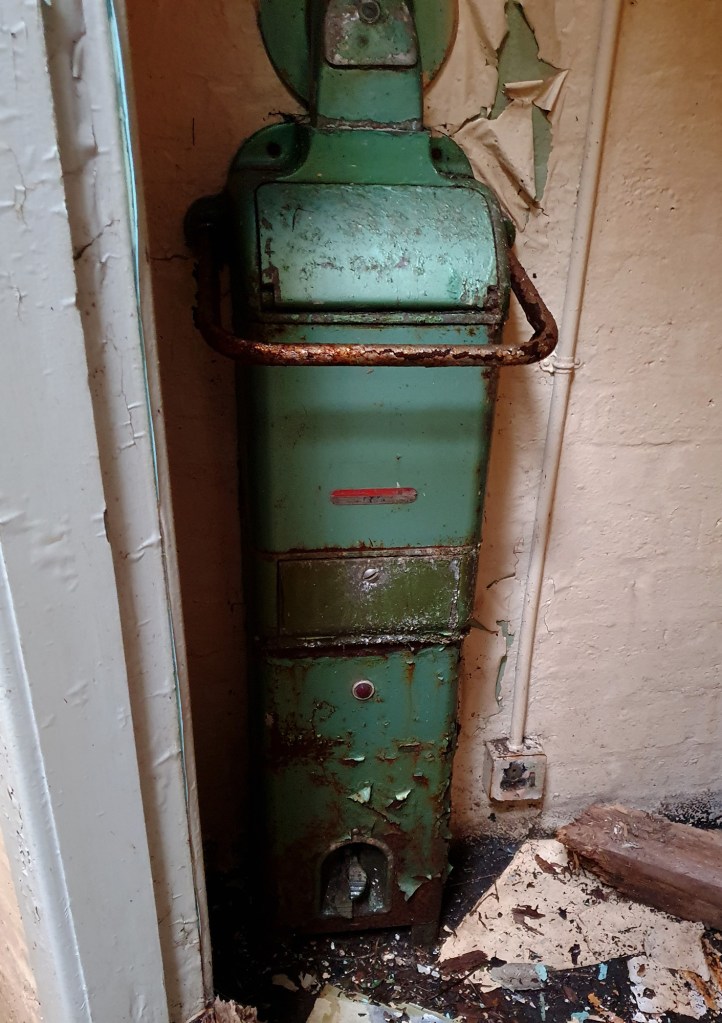
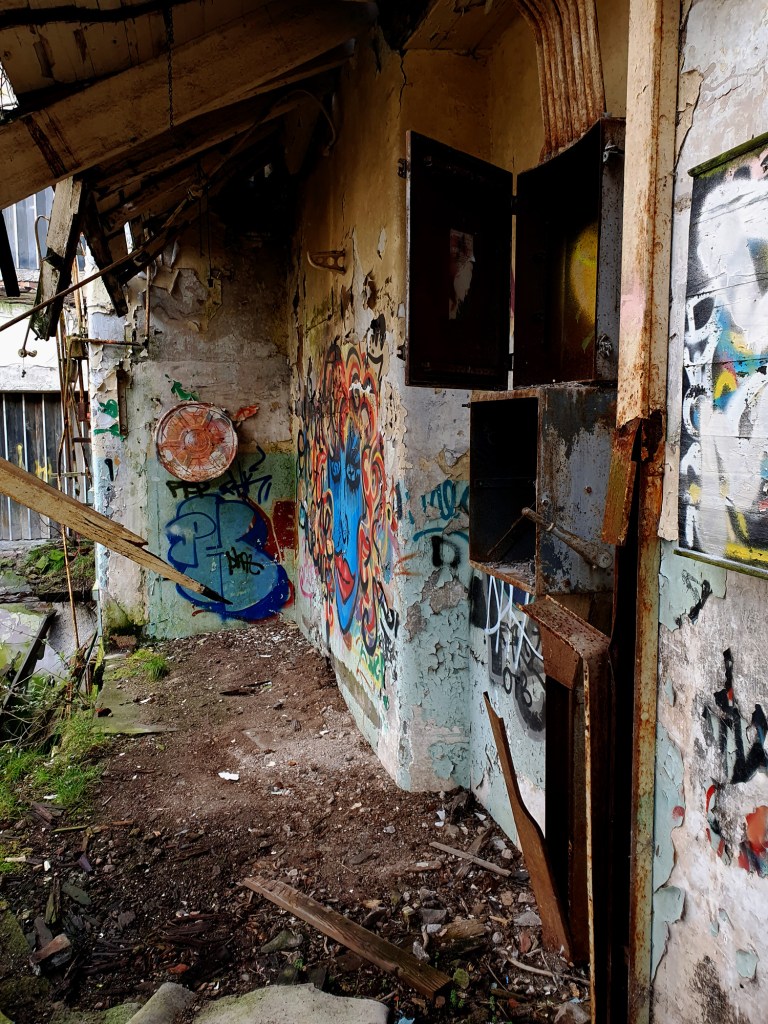
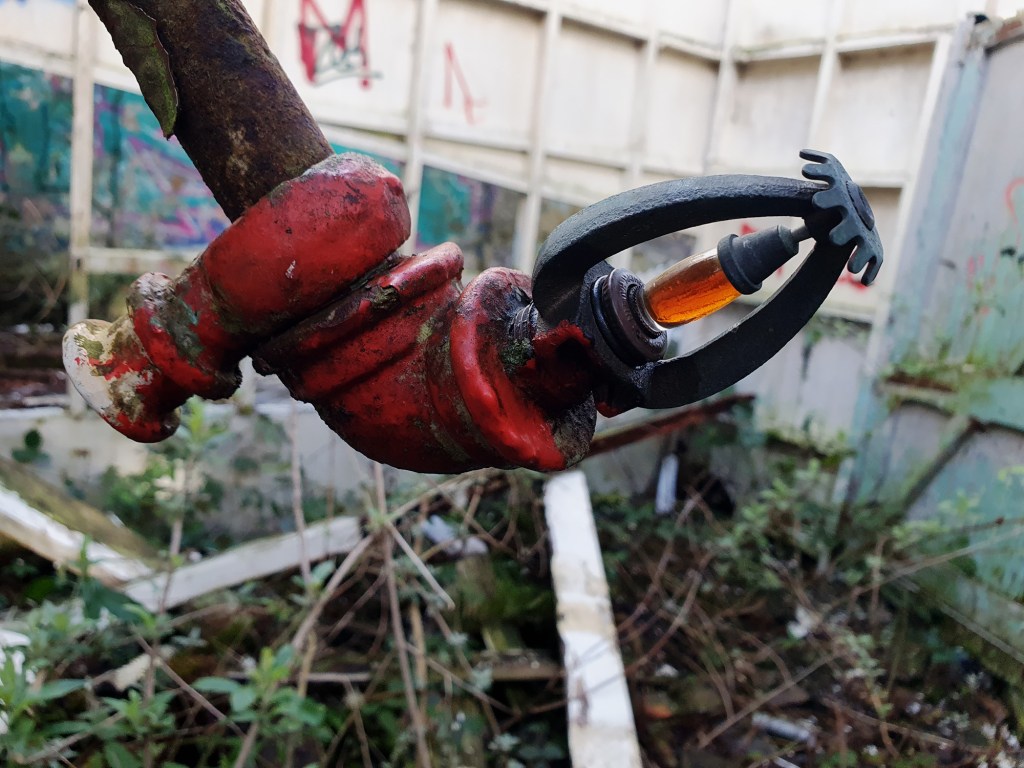
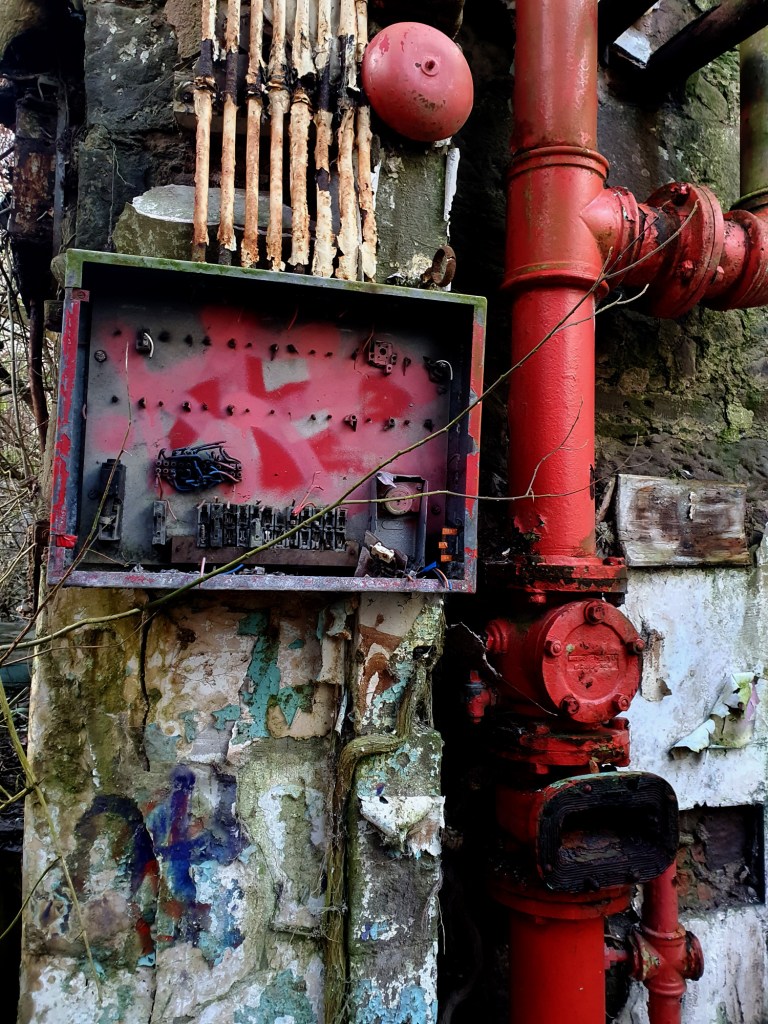
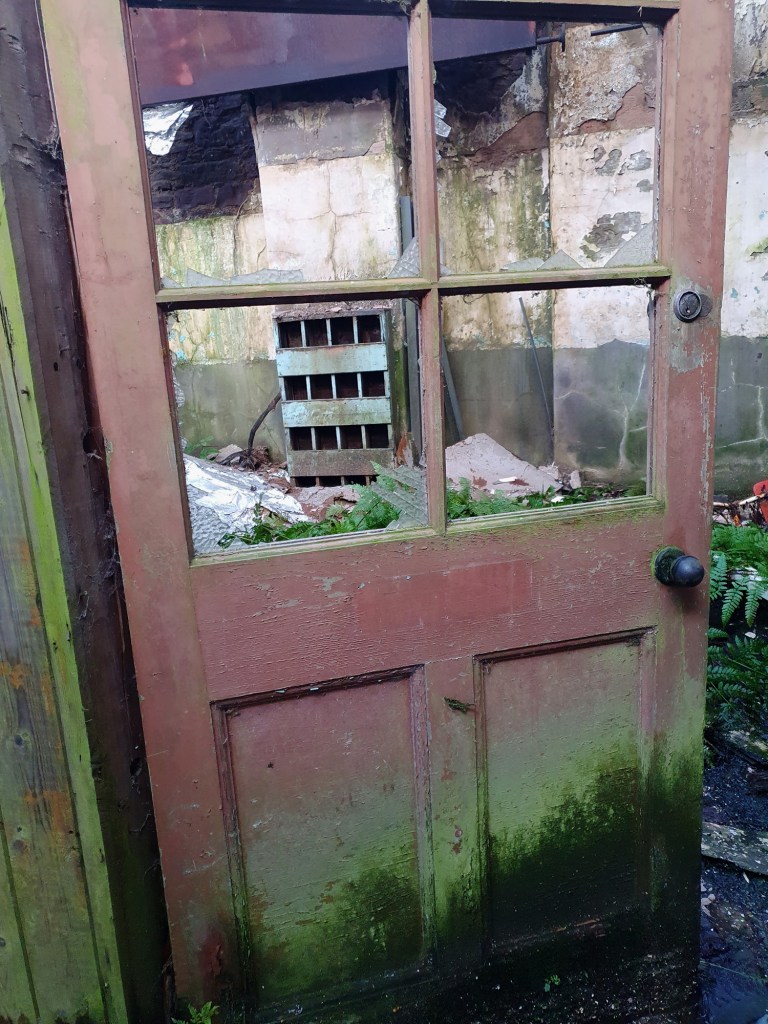
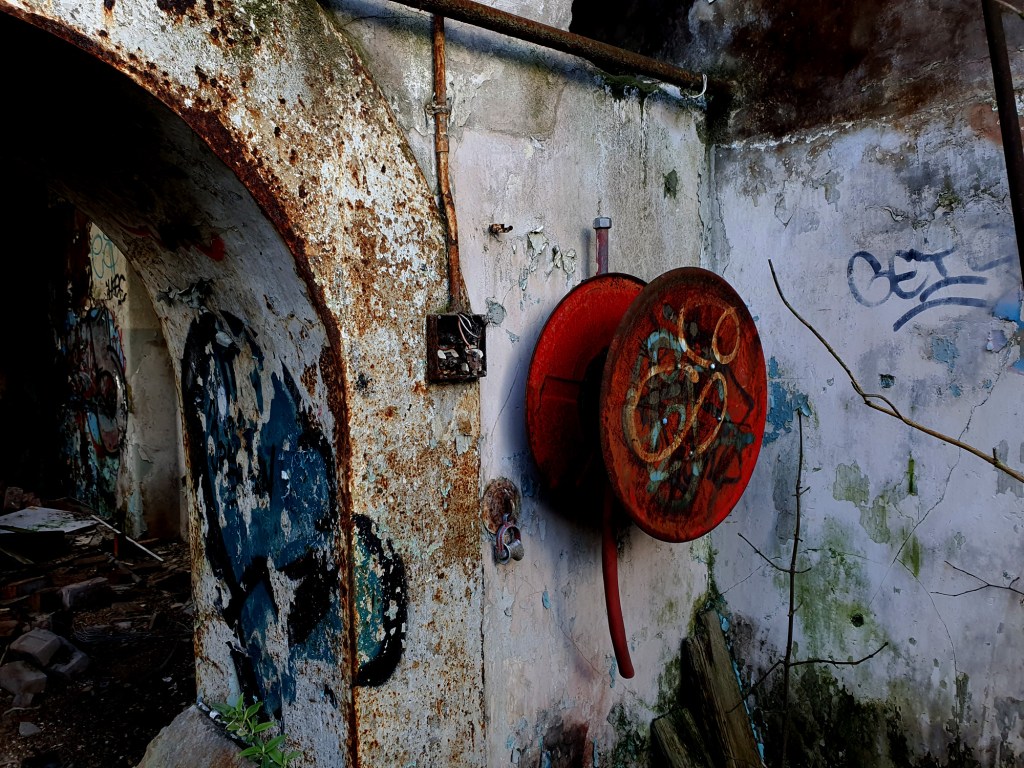
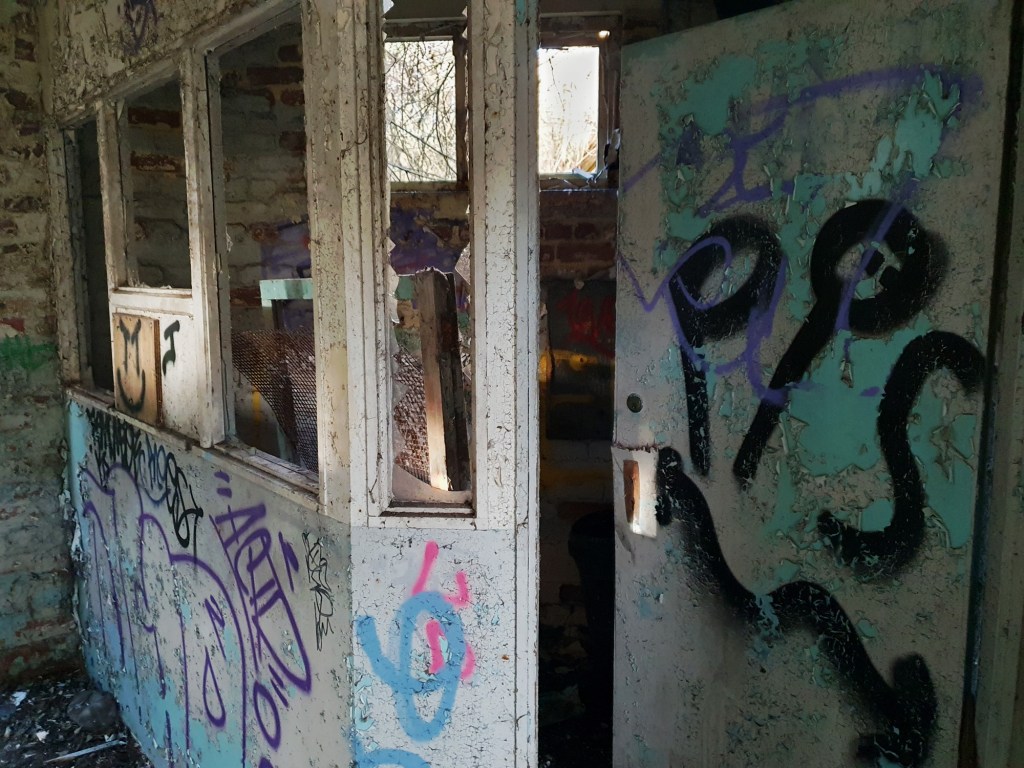
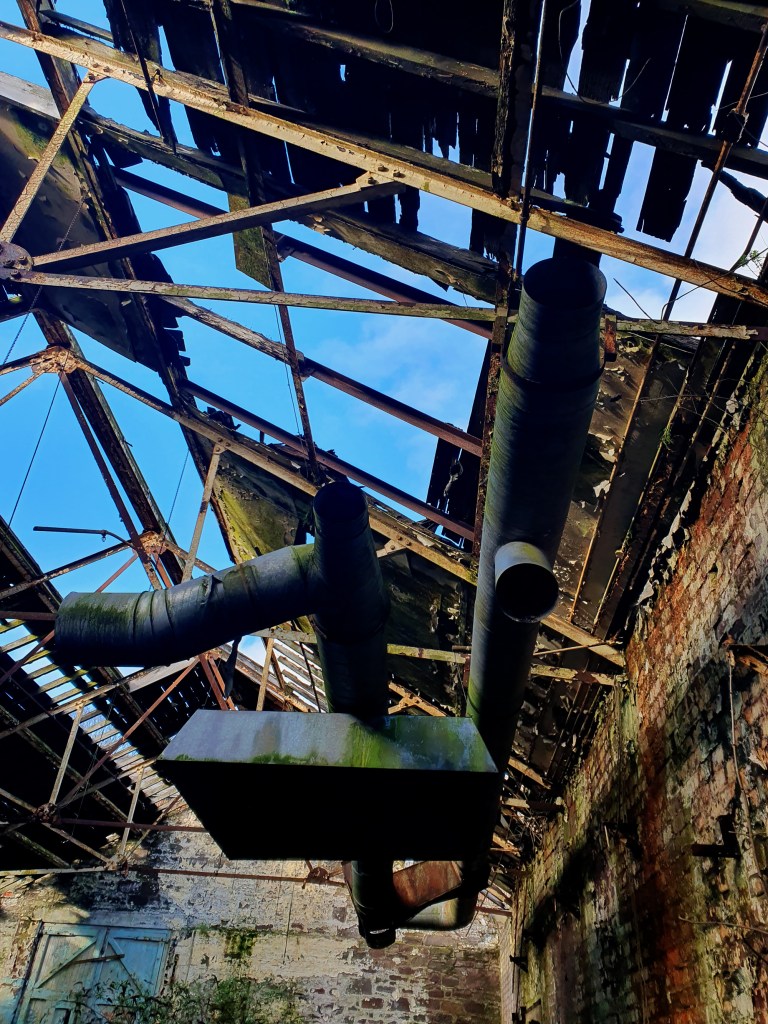
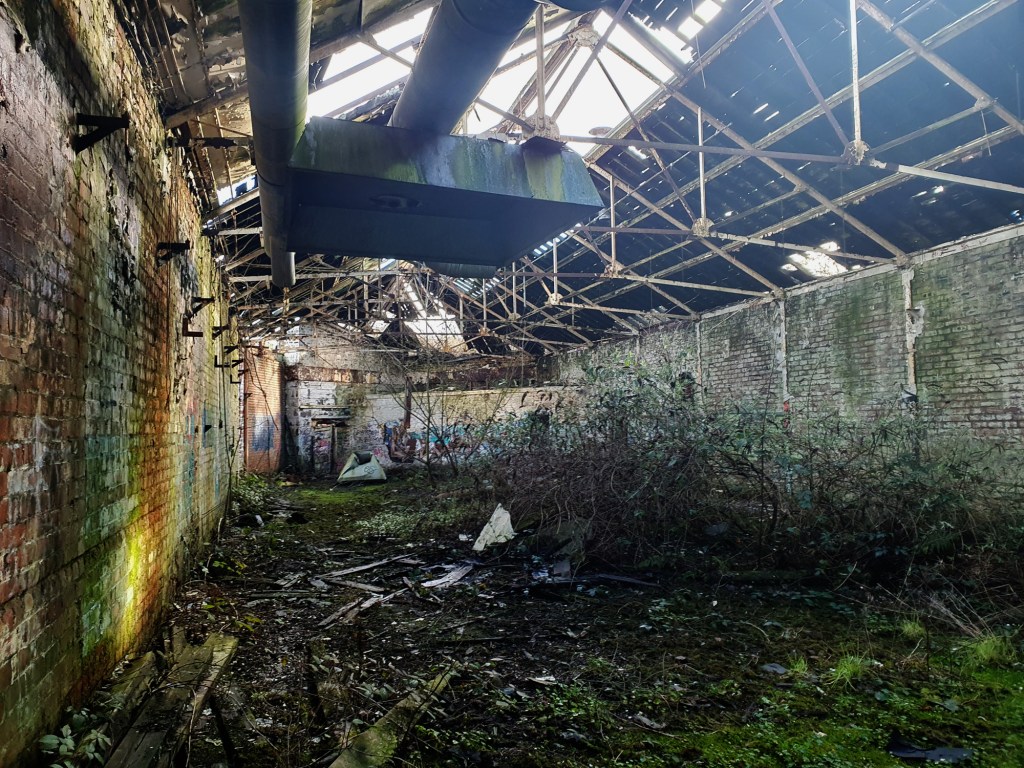
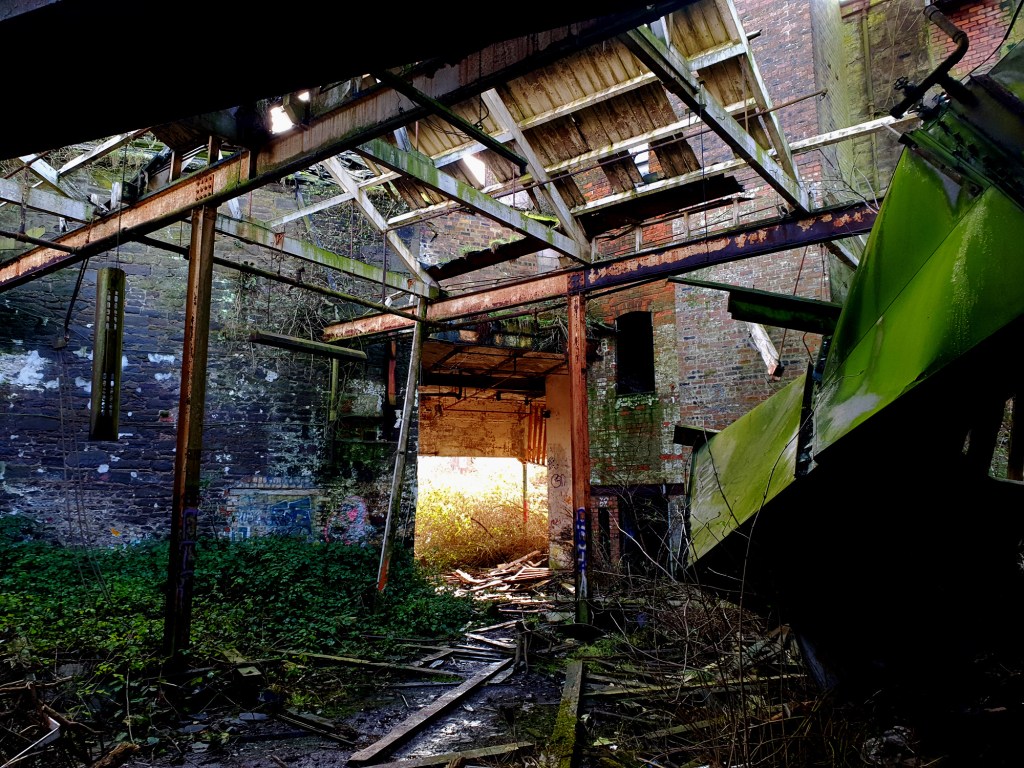
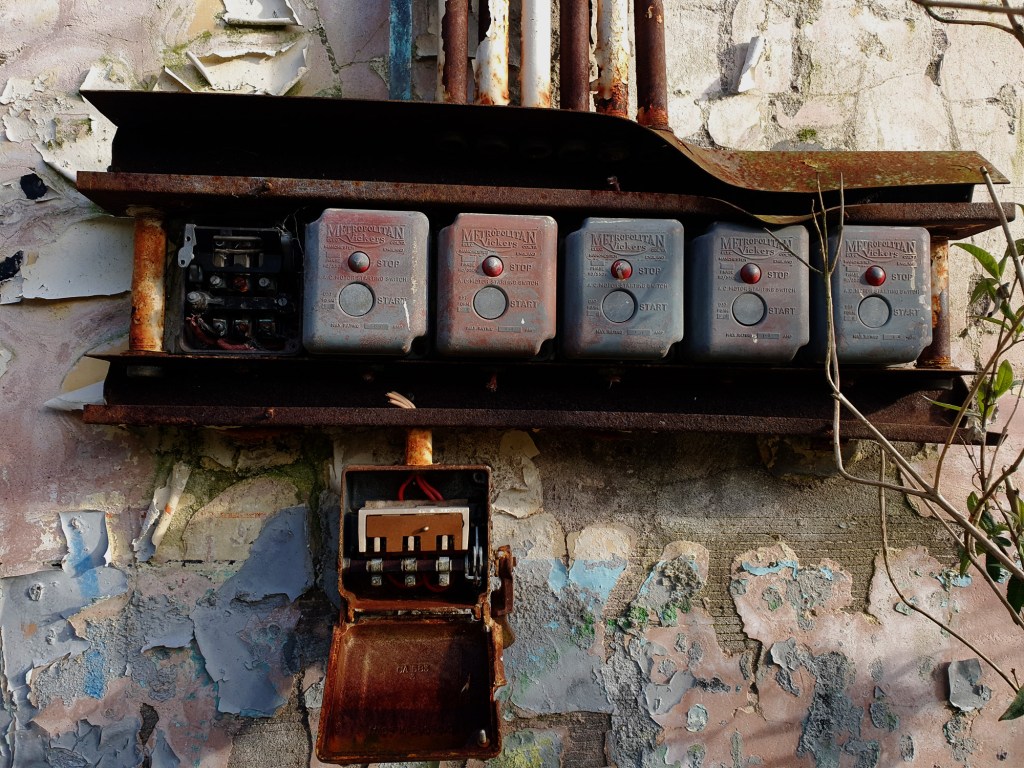
Today the complex is largely secure but exploration reveals that all that remains of the single storey sheds – destroyed in the fire of July 2022 – are the boundary walls and piles of rotting timbers and cracked slates heaped upon an overgrown expanse of concrete. The former pub, converted into offices, is also largely derelict and has been reduced to a single storey. The heart of the complex, the former mill, still stands, although is bereft of much of its roof. A brick stairwell offers access to abandoned upper floors where graffiti covers the walls.
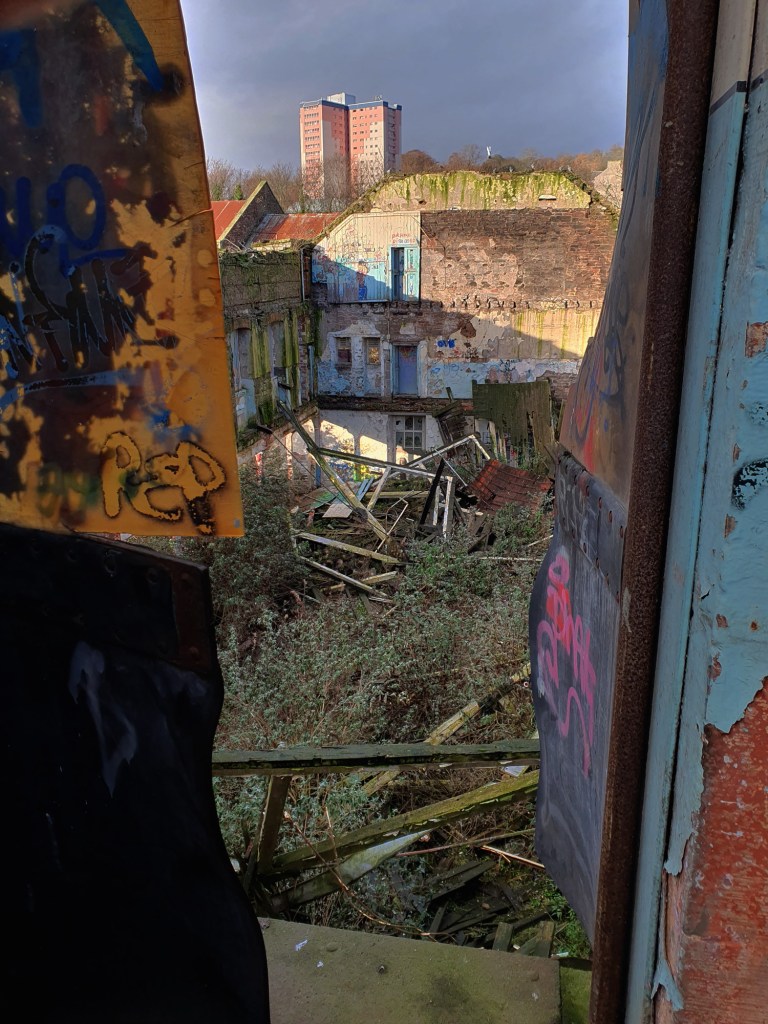
While plans have been drawn up to redevelop the site for housing, it remains in private offshore ownership and nothing has so far progressed. Its future remains decidedly uncertain.
If you have enjoyed this post, and others on the site, you might like to buy me a coffee which helps support the site and funds new content…
You might also enjoy my new book, Abandoned Dundee, a fully illustrated guide to some of the more interesting and prominent abandoned and derelict buildings and sites in Dundee, available in paperback or as an ebook from Amazon.


my grandmother was a yarn reeler, lived in Milnbank Road. Where would I be able to find which mill she worked in please?
LikeLike