
The city of Dundee grew up around its once busy docks and has a rich maritime heritage dating back to the mid-15th century. In the 1870s it was one of the most important whaling ports in the British Isles. Trade in jute brought ships from around the globe into the city’s docks and its shipbuilders were among the most prolific in the country, building over 2000 vessels in the decade between 1871 and 1881.
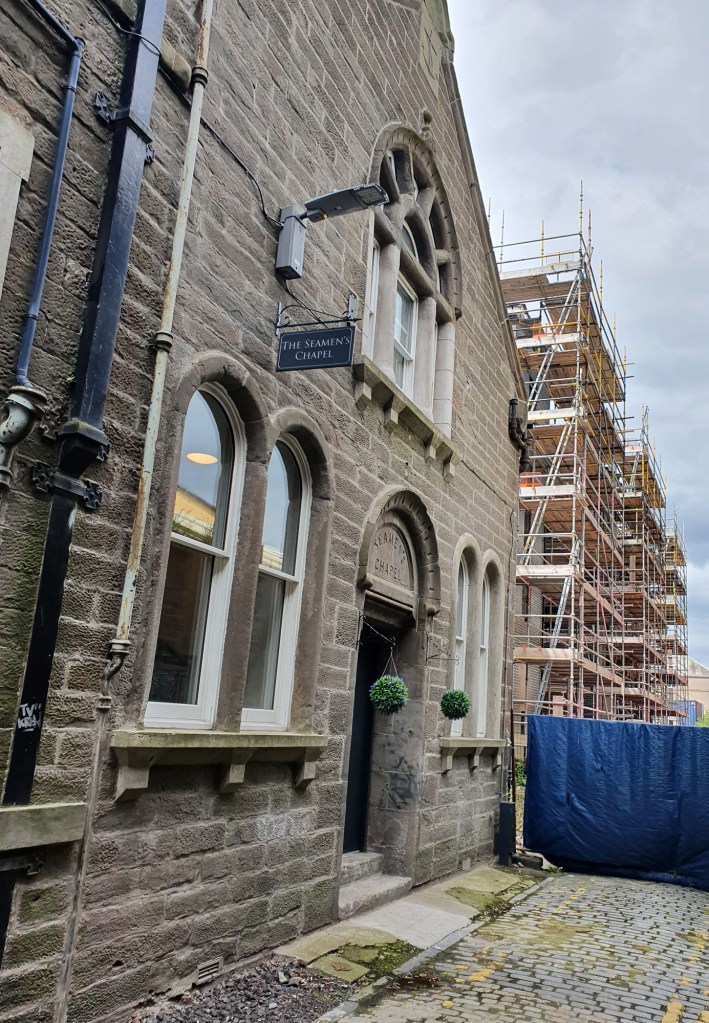
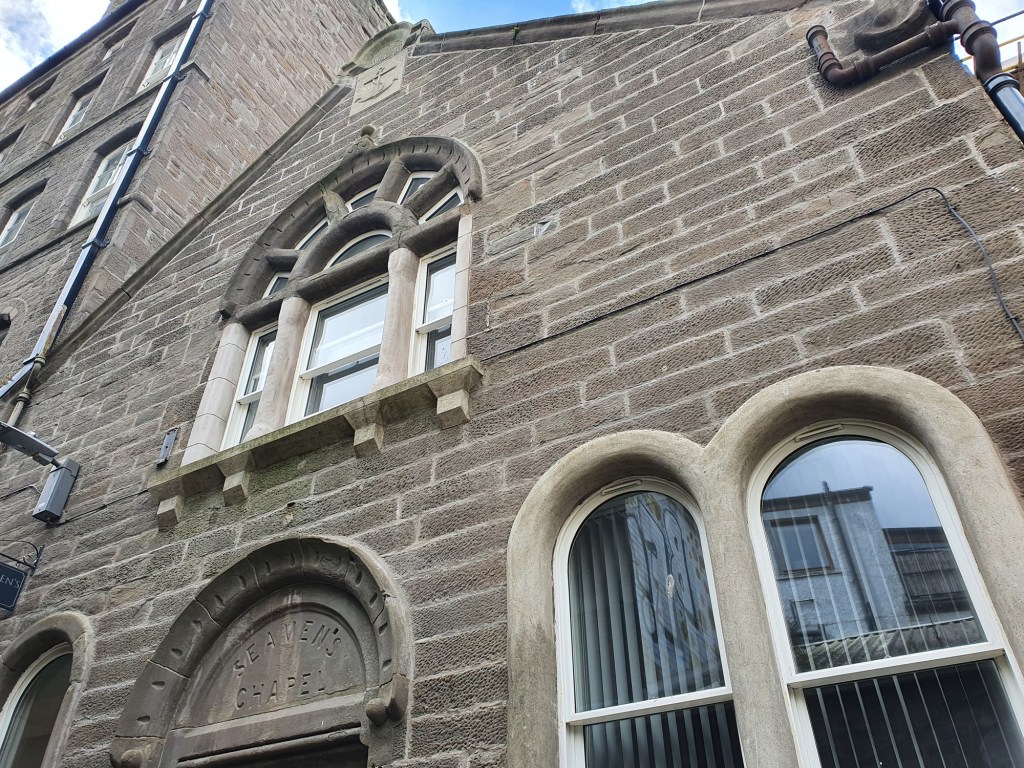
The whaling and jute industries brought thousands of sailors into Dundee and to accommodate them on their brief stopovers, a Seamen’s Mission, or Sailors’ Home, providing food, lodgings and welfare, was established on Dock Street in 1881. Behind it was erected a small chapel to minister to the spiritual needs of these visiting seafarers. Funded by local philanthropists to ‘keep visiting sailors from temptation and robbery’, it was opened by the Earl of Dalhousie in 1881.
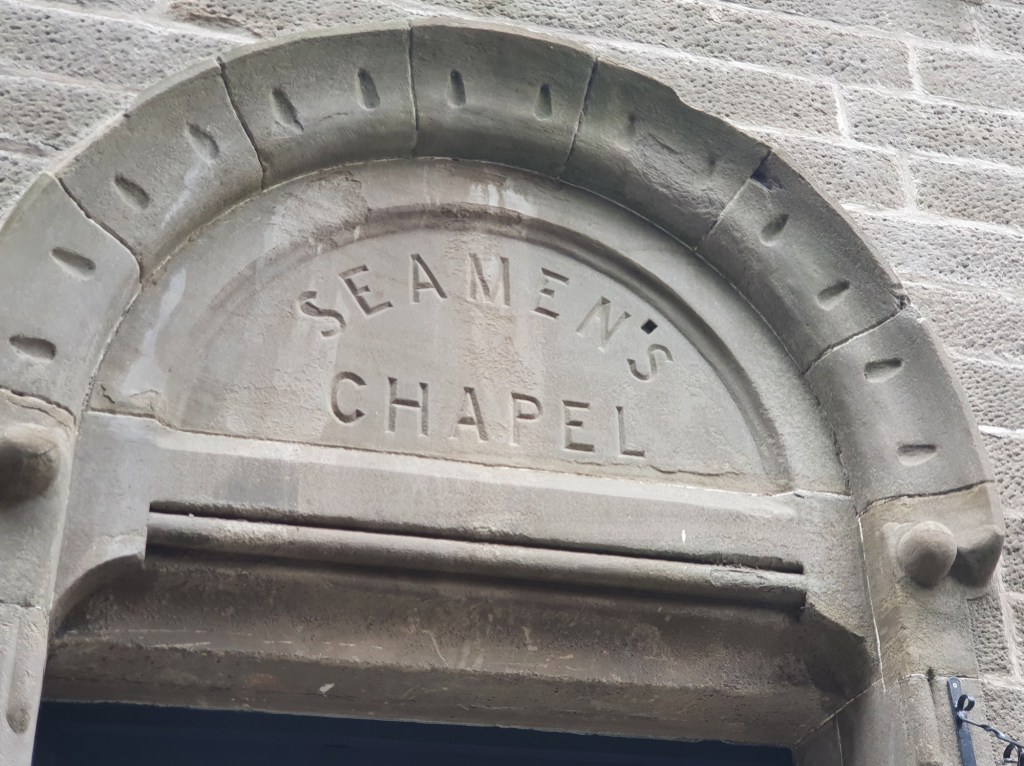
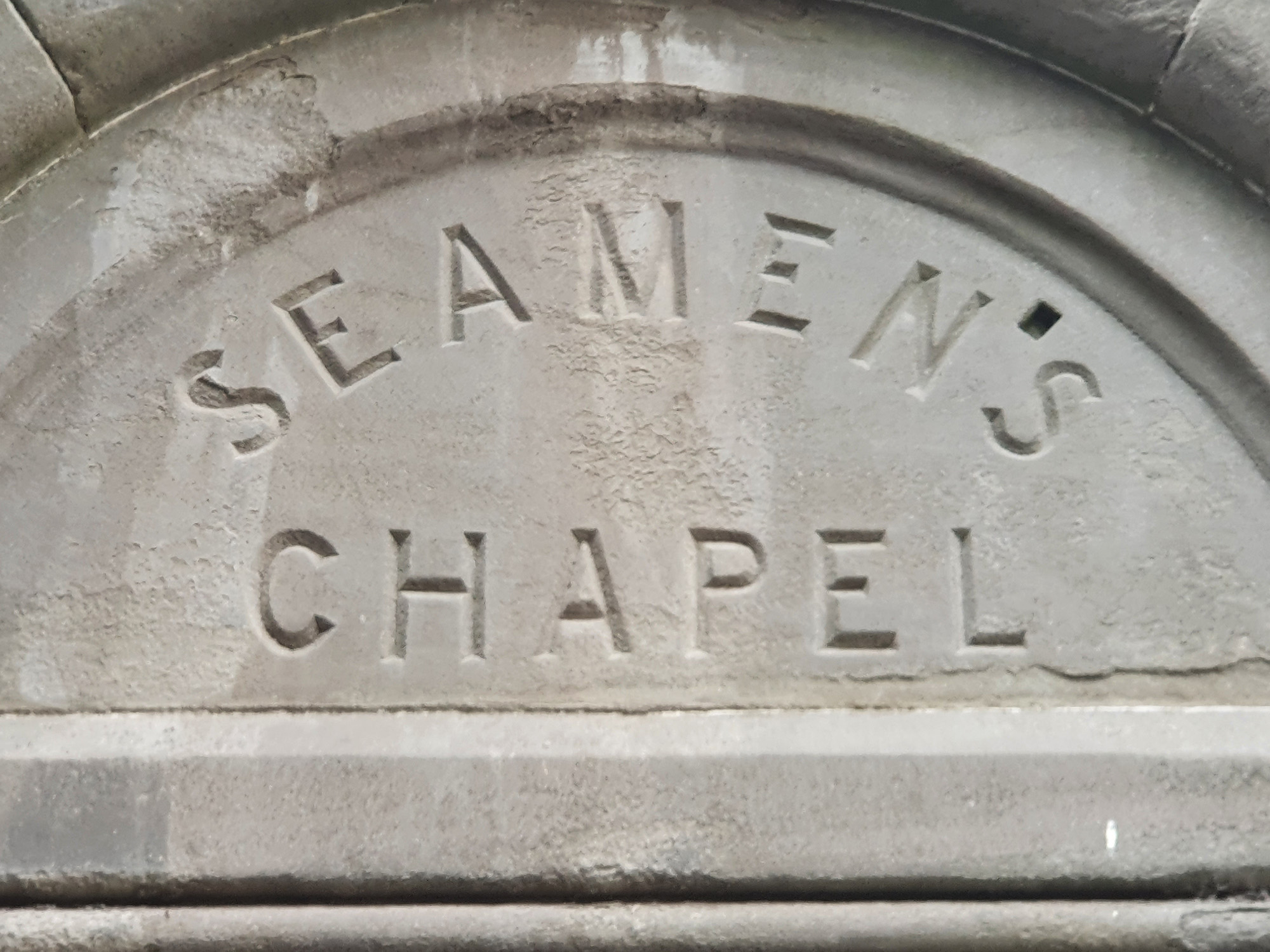
Hidden away on the narrow, cobbled Candle Lane – once a busy thoroughfare between the city centre and its harbour and the main route between the two in the 15th and 16th centuries – the inconspicuous chapel is one of only two such buildings surviving in the UK – the other is in Swansea. Candle Lane takes its name from a thriving local industry making candles from whale blubber. Now it is very much a forgotten back-street wedged between old buildings and newer flatted developments.
The listed chapel fell out of use when the docks and shipbuilding industries collapsed in the mid-20th century and, abandoned by the 1990s, it languished on the Buildings at Risk Register, derelict and boarded up, until 2021 when it was redeveloped as two two-bedroom flats. The restoration was unable to save the panelled upper gallery which was beyond repair after years of dereliction, but the stone facade remains very much as it was when it welcomed sailors seeking sanctuary all those years ago. Renamed Casa Fresa, the property now provides two apartments for visitors to the city.
The neighbouring five-storey Seamen’s Mission, also known as Unicorn House and a listed building too, has also survived, converted into offices on the ground floor and private apartments above and retains many of its original features, including the heavy iron doors and, carved into the stonework, the names of famous seamen, including Nelson, Cook, Blake, Wood, Duncan, Dibdin and Napier.
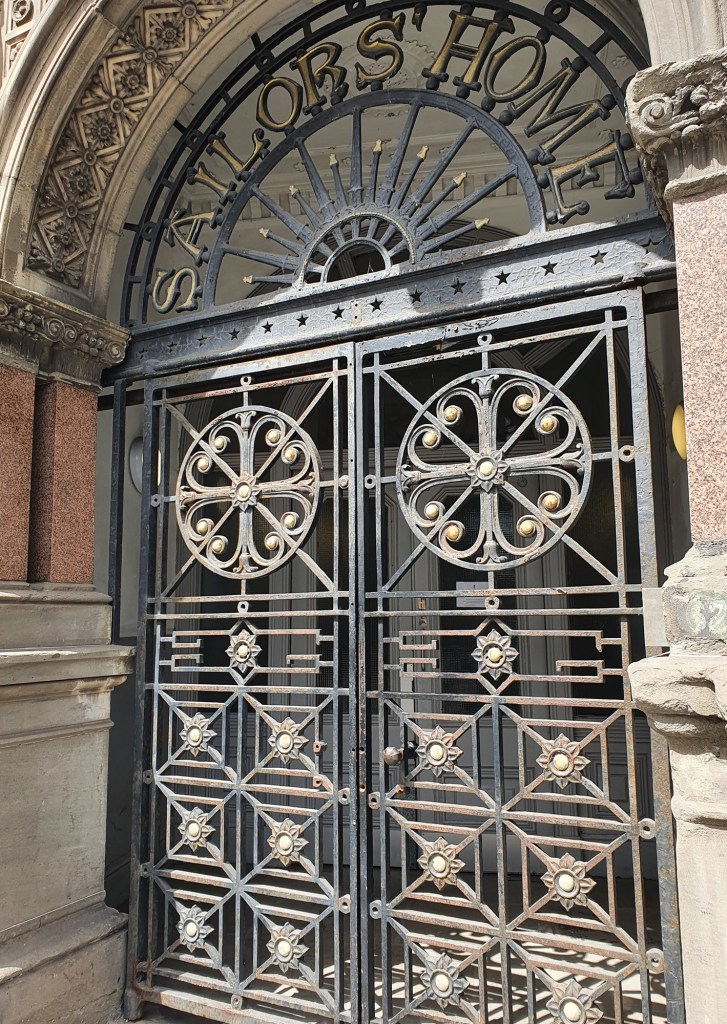
In its day it offered 34 single and 11 twin-rooms and was equipped with eight bathrooms, hot and cold water and electric light.The number of sailors staying at the mission fell away during the First World War and thereafter it became a boarding house for travellers and holidaymakers and later a hostel.
Opposite, across Dock Street, is the city’s grand former Customs House, now empty and – owned by a neighbouring hotel – awaiting a new purpose in the ever evolving cityscape founded in a proud seafaring heritage. All three buildings can be explored by following the 2km long Dundee Maritime Trail.
If you have enjoyed this post, and others on the site, you might like to buy me a coffee which helps support the site…


Dear James,
My companies developed both the Sailors Home and The Sea Mens Chapel Dundee and I wanted you to know how much I appreciate your interest in these projects.It is a wonderful article and it seems to me that you are one of few to realize the importance of these historical buildings which were nearly lost to Dundee’s maritime history.If you would like more information and photos of these buildings please feel free to contact me.
Thanking you once more
Angus Cook
Email – angus_cook@sky.com
Phone number – 07702268309
LikeLike