

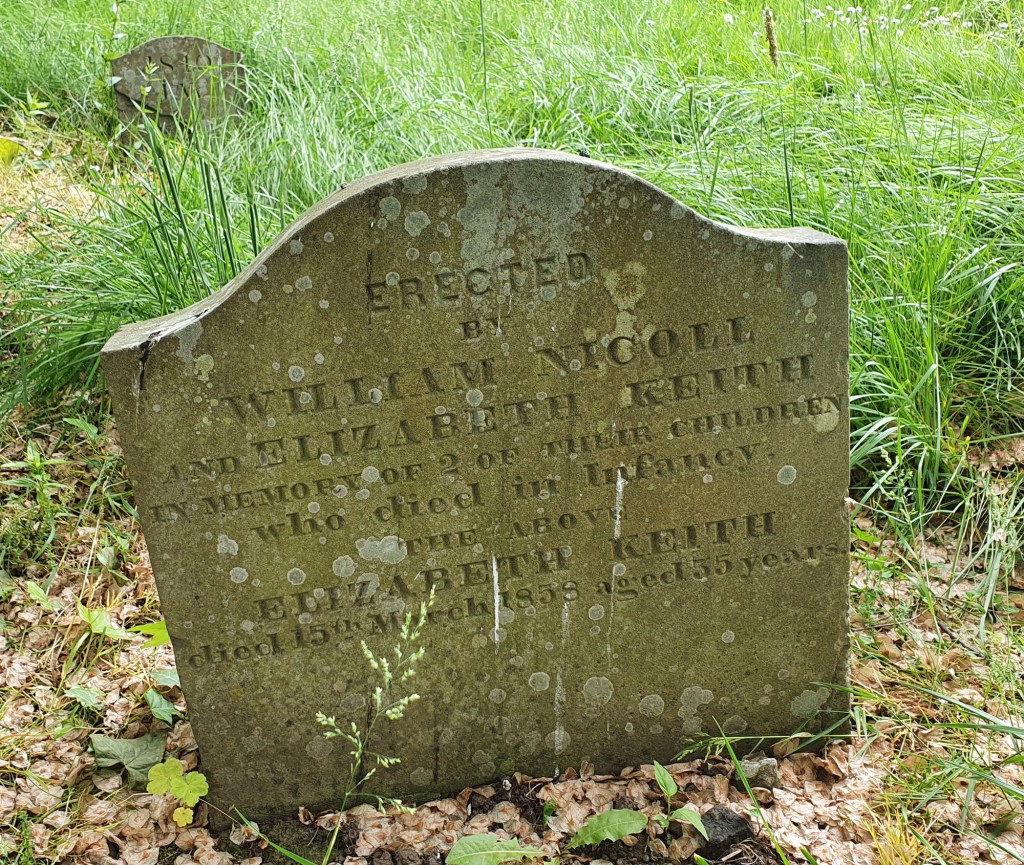
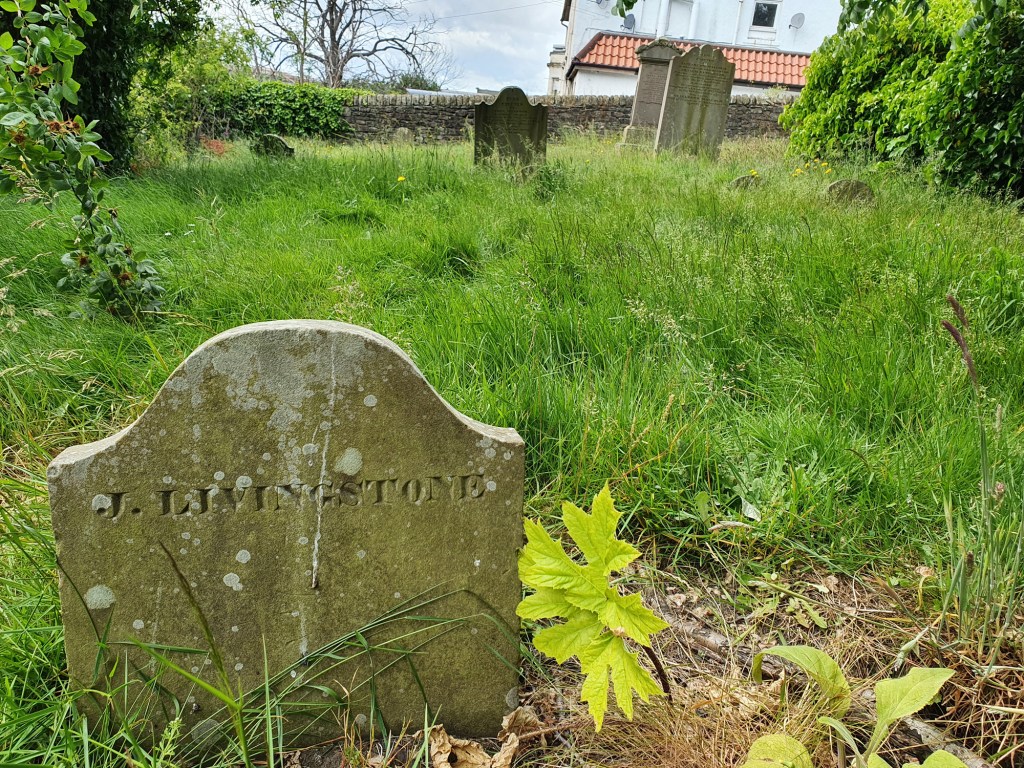
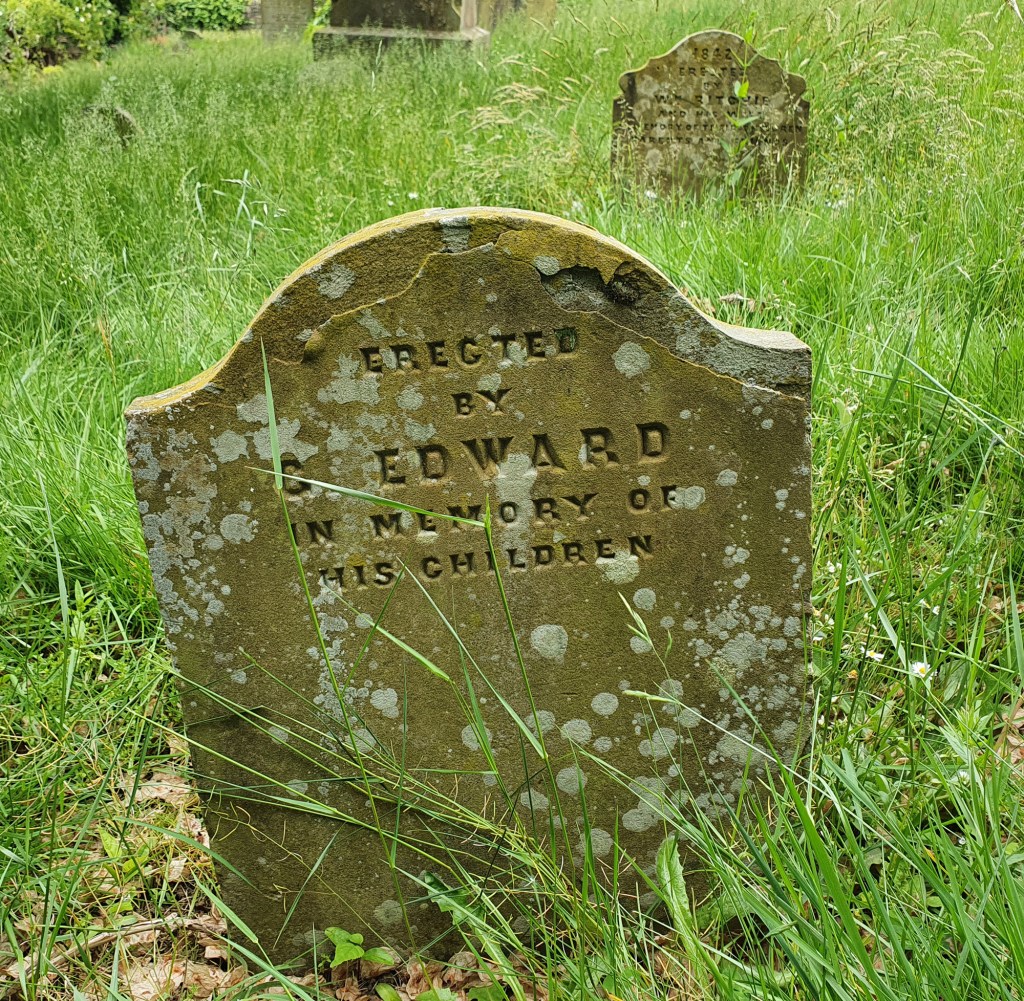
Dundee was not a place to be growing up in the mid-19th century, a time when the city had the highest rate of infant mortality in Scotland. With plague still epidemic and other infectious diseases like smallpox and typhus rife, just achieving adulthood was a feat in itself. Testament to this grim toll the small cemetery at Roodyards, east of the city centre, where headstones record the passing of just some of the city’s many children struck down by disease.
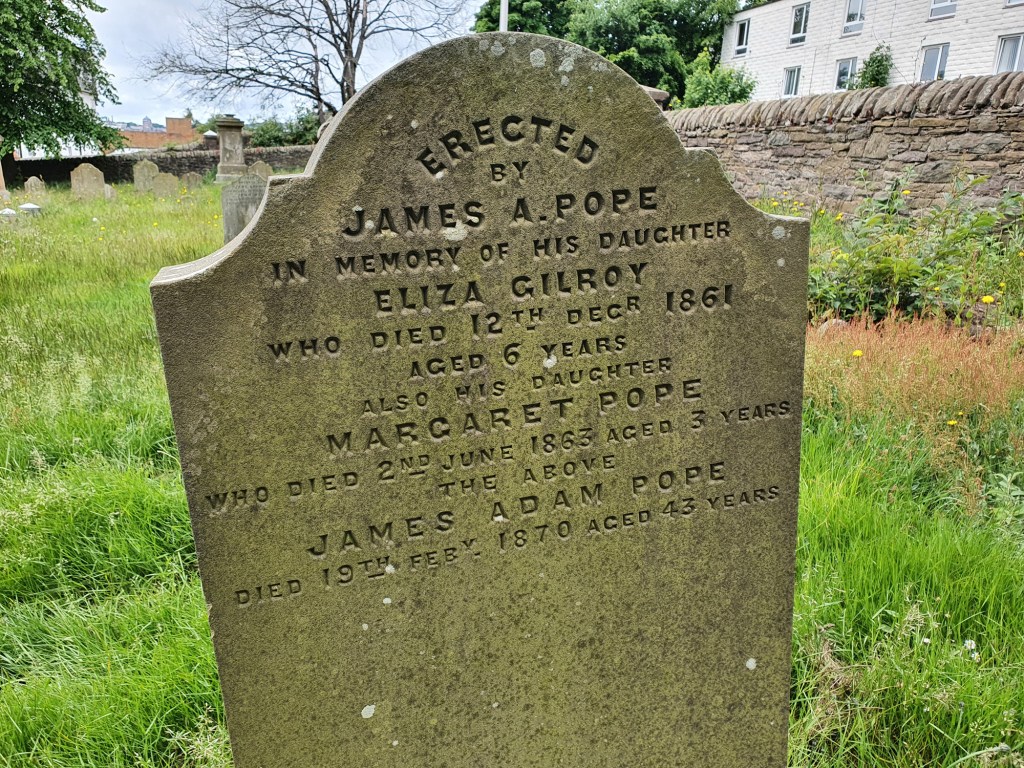
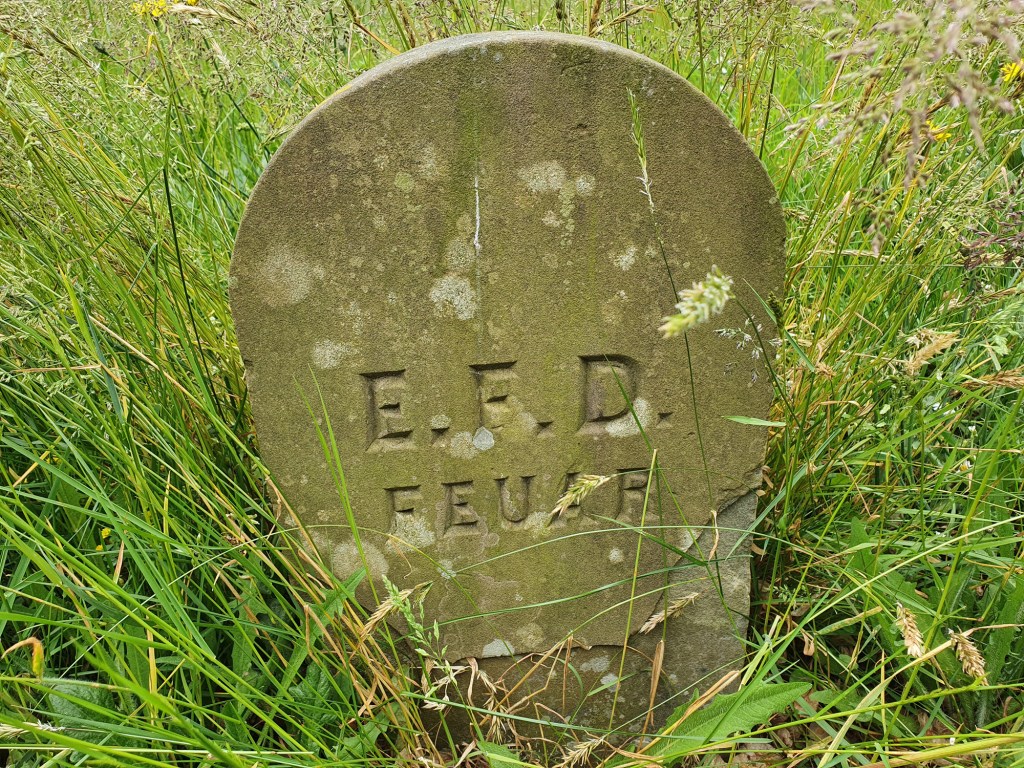
Alongside their graves are those of other victims of plague and pestilence, and seafarers and strangers, people who succumbed to the will of the grim reaper as they passed through the city and now lie forgotten below small stones etched with just their names, sometimes only their initials.
Bordering Broughty Ferry Road but easily overlooked by those driving past, the cemetery, which occupies a peaceful grassy terrace above the River Tay and Dundee’s docks, Roodyards dates back to the mid-15th century when it appears to have been a burial ground connected to a local hospital. There was a chapel but this appears to have fallen derelict by the mid-16th century, when it was known as Saint John’s Kirkyard. Lying a mile from the city’s then eastern boundary, plague victims were interred here during the 16th century.
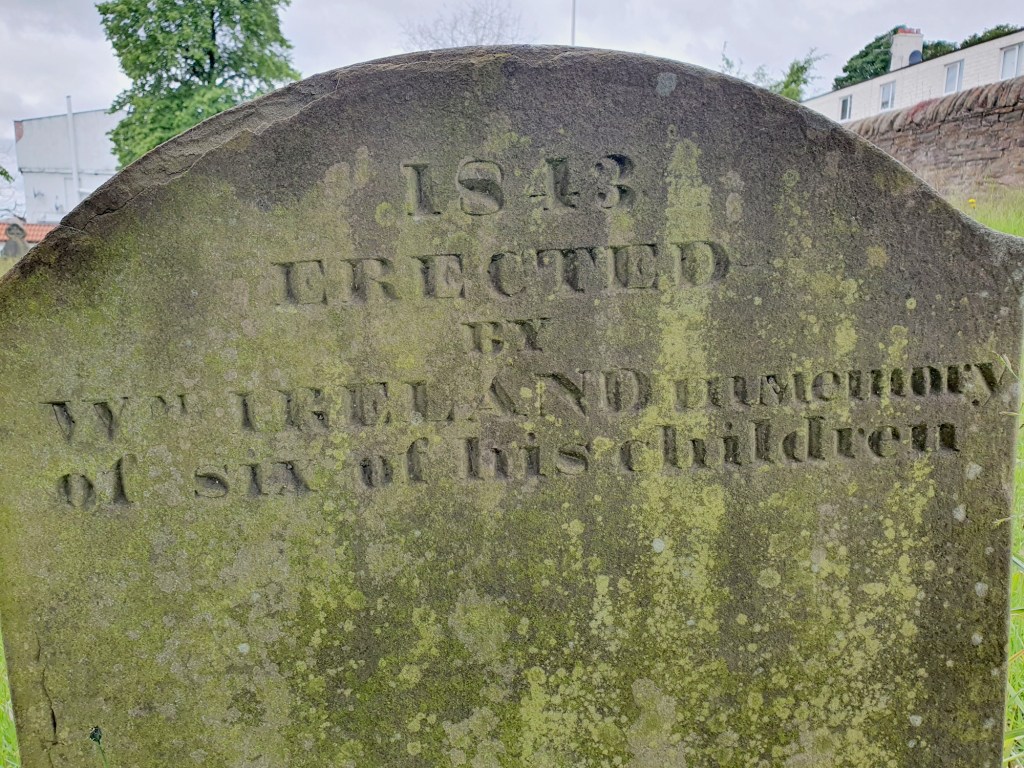
There is no longer any trace of the chapel and the most significant structure is the square Guthrie Mausoleum, walled up on all sides, at the centre of the cemetery. It dates from the 18th century. Most of the surviving gravestones date from the early to mid-19th century. The cemetery occupied a sliver of land on the estate of the Kyd family of Craigie and was their burial ground and also the last resting place for members of the Guthrie clan, who owned large portions of land east of Dundee. But it is the memorials to the many dead children that are the most compelling and thought provoking. A list of some of the graves, compiled in the 1950s, can be found here.
Dundee’s worryingly high infant mortality rate during the 19th and early 20th centuries was linked to the city’s pooring housing. While Dundee prospered during this time thanks to the jute and linen trades, wages were low and the standard of living failed to keep pace for many families, particularly those where the wife had to take time off work, unpaid, to nurse a baby and raise children. Typhus, scarlet fever, tuberculosis and smallpox were endemic in the slums in which many resided and, in 1912, an official medical report revealed 662 infant deaths in the city, a rate of 159 in every thousand babies under a year of age.
Sanitary improvements brought about following the Public Health (Scotland) Act of 1867 helped but it was largely thanks to the work of Victorian social reformer Miss Mary Lily Walker and the Dundee Social Union that the trend was finally reversed and, in 1923, the rate fell below 100 (the current UK rate is 5) for the first time. Miss Walker and her small band of female volunteers provided free meals and cheaper medicines to breast-feeding mothers, organised home visits for all new babies and established infant clinics, milk depots, a hospital for women, and a school for crippled children.
You can find out more about her work on the Dundee Women’s Trail, which highlights the achievements in a variety of fields of 25 of the city’s most prominent women through history.
If you have enjoyed this post, and others on the site, you might like to buy me a coffee which helps support the site and funds new content…

 Secret Scotland
1 Comment