
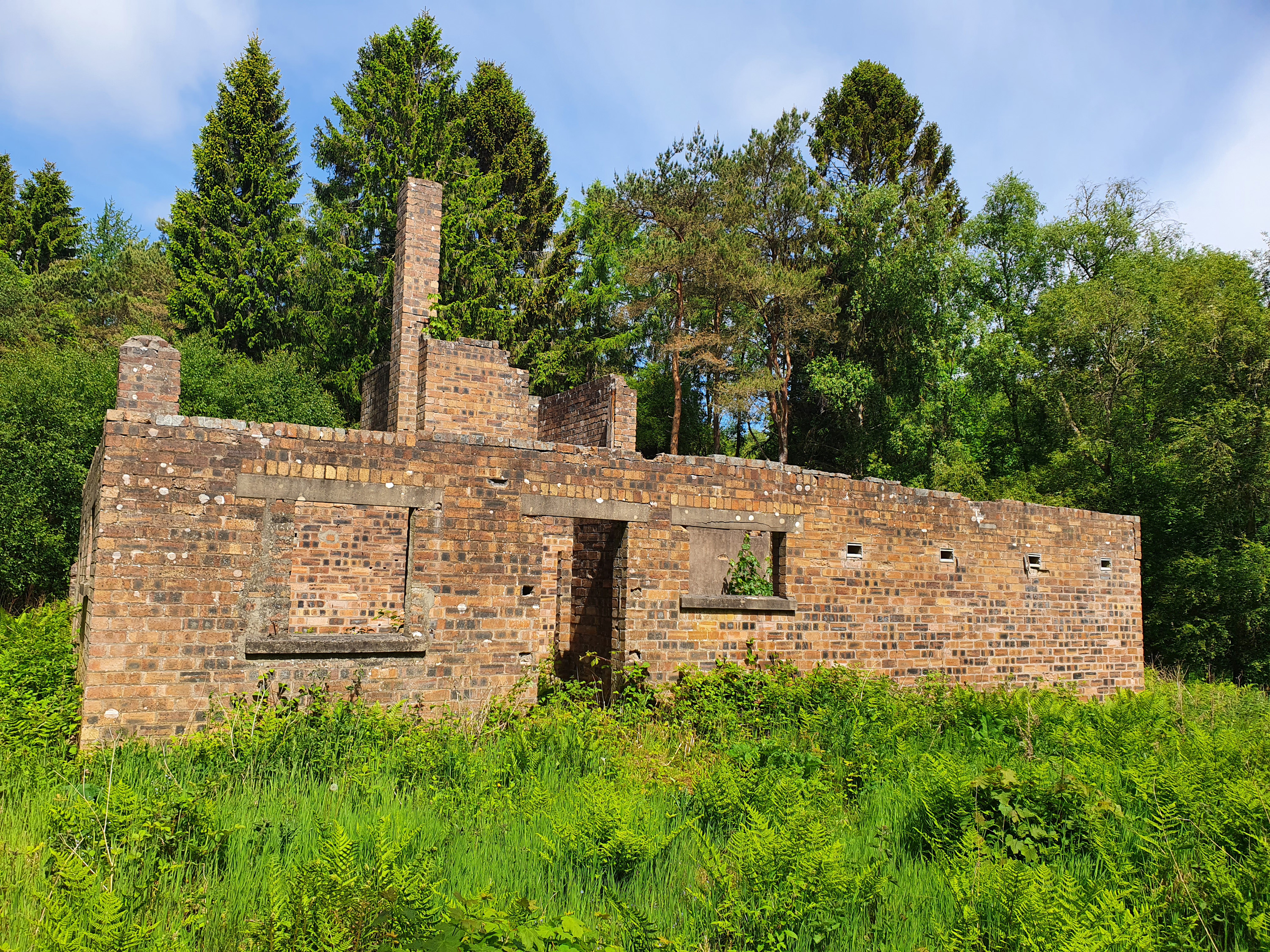
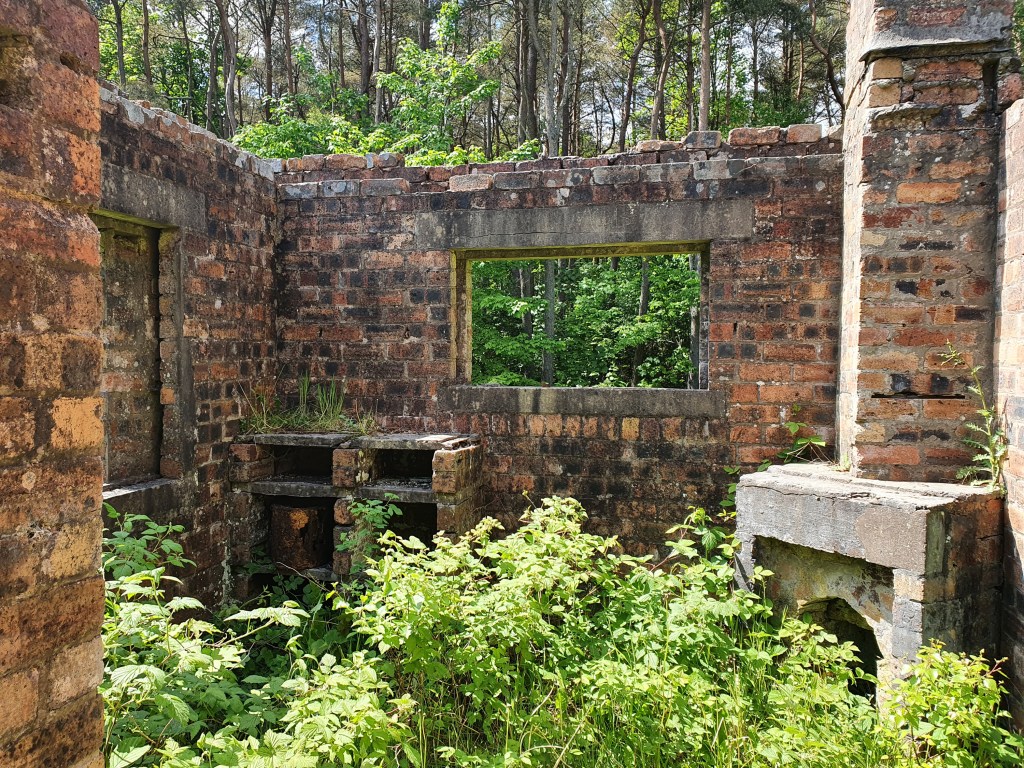
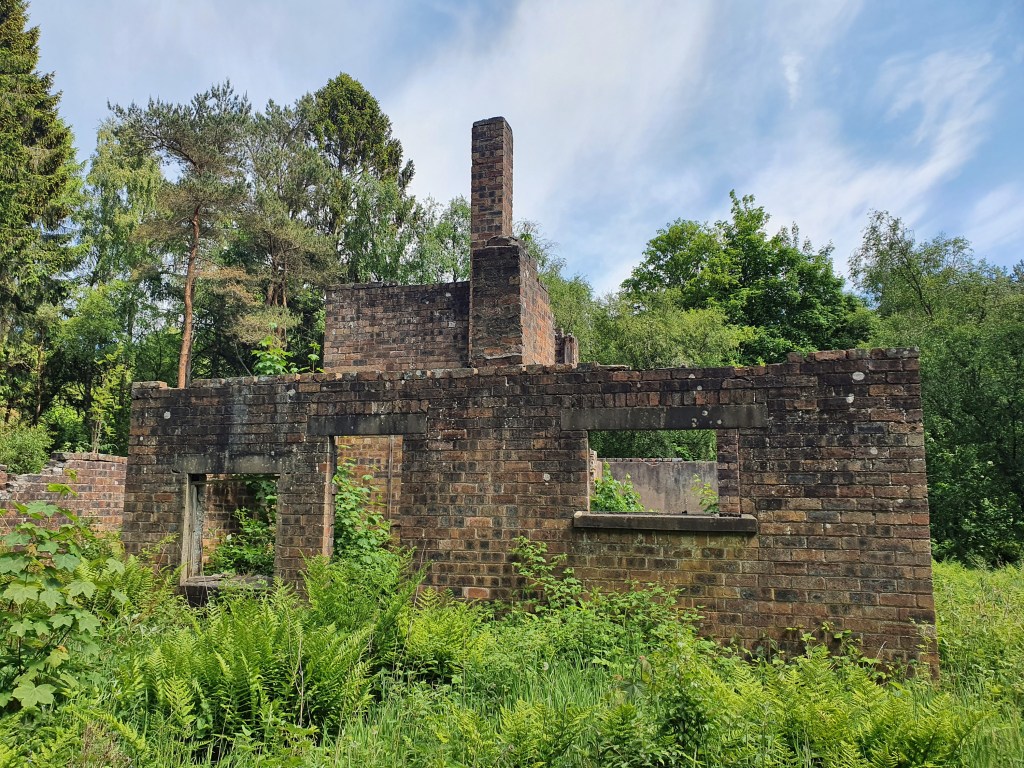
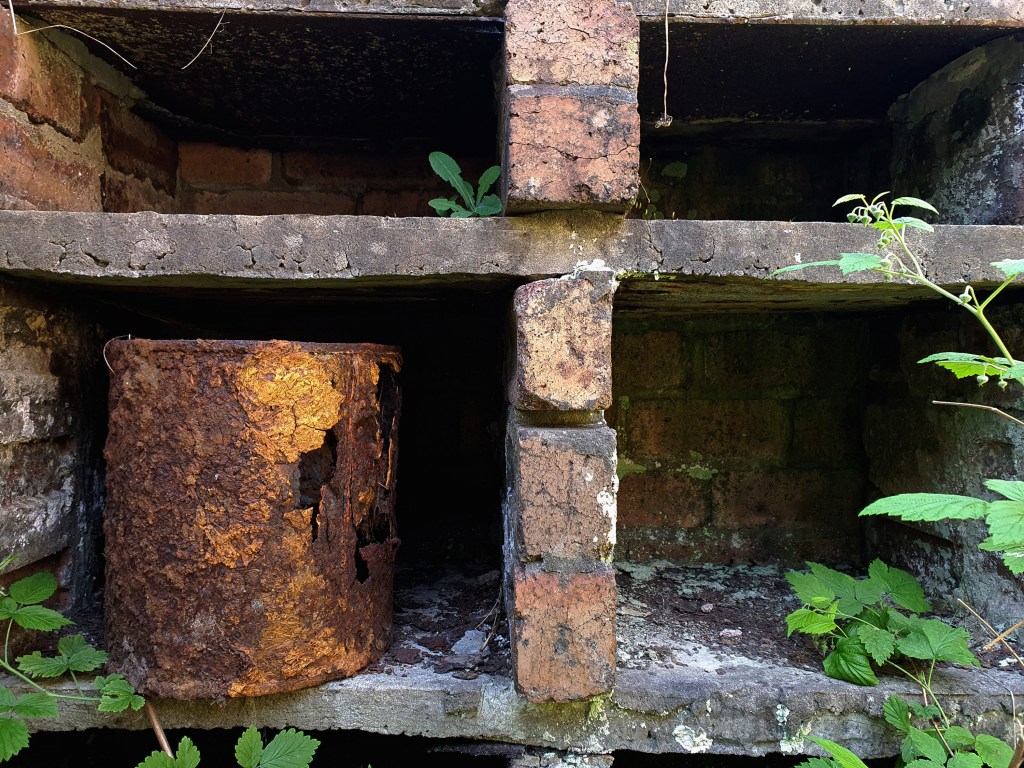
Hidden away amongst the tall pines and rampant undergrowth of Tentsmuir Forest, in Fife, are the remains of a Polish army camp established during the second world war. Only a couple of ruined brick blocks and the remnants of a well remain of what was, at its peak, an extensive cluster of wooden and Nissen huts erected to house soldiers tasked with protecting this vast swathe of flat coastal ground from German attack.
While the huts are long gone, evidence of the work undertaken by the men who occupied them still lines the coastal fringes of Tentmuir, a robust line of concrete tank traps, observation posts and squat bunkers designed to stop the enemy in its tracks.
The invasion never came but, following the outbreak of the war, there was a very real fear that the Germans may attempt to land on Scotland’s east coast. Tentsmuir Sands and the flat land that lay behind was seen as a particularly vulnerable spot.
Many Polish soldiers who escaped their homeland following Nazi and Russian invasion found their way to Scotland where they adopted a new role guarding against this anticipated invasion.
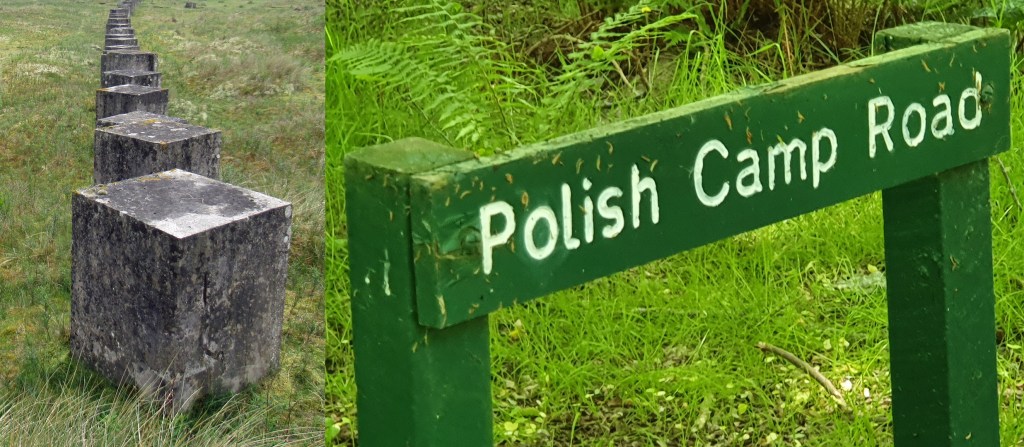
The Tentsmuir camp was established in 1940 and once complete, the Polish soldiers billeted there set to work constructing a defensive line stretching from RAF Leuchars, on the Eden Estuary, in the south, to Lundin Bridge, Tayport, on the Firth of Tay, in the north. The line, much of which remains today, incorporated regimented rows of pre-cast concrete tank trap blocks and dragon’s teeth, smaller square-pyramidal blocks, designed to slow the progress of tanks attempting to move inland.
Working in squads of 10, the soldiers cast the blocks in wooden or corrugated iron formers, mixing the concrete with shovels before pouring it in. Some blocks were made in-situ while others were winched into place once complete. Short stretches of narrow gauge railway were laid to assist with the movement of materials and supplies. At intervals along the line, pillboxes and observation towers were constructed while rolled barbed wire and anti-glider posts completed the defences.
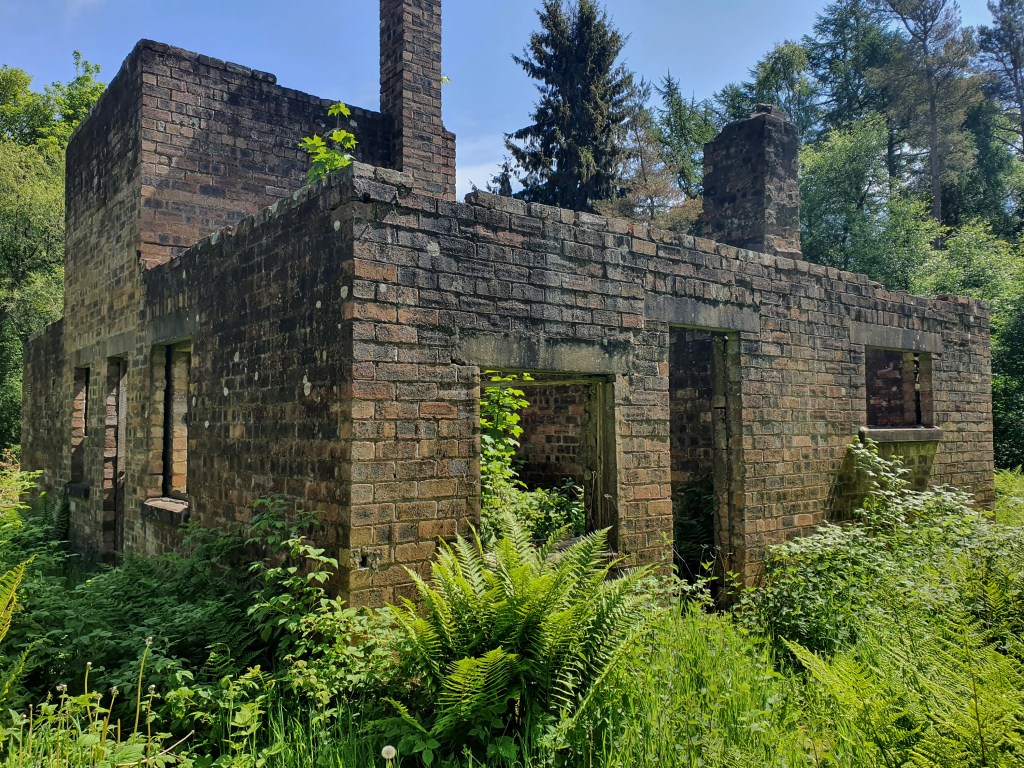
Following its completion, many Polish soldiers stayed on at the camp, tasked with manning the guns and maintaining the line. The camp itself remained occupied until at least 1942 but was dismanted before 1947. However, it never appeared on any maps and no plans appear to exist of it. Ordnance Survey maps of the time show a rectangular block of clear ground within the forest, straddling the road to Kinshaldy. This was where the camp was located and offers an idea of its extent. The ruined brick structures lie in the portion to the north of the road and it is understood they housed a kitchen and/or washrooms. The concrete clad wall of the nearby well is inscribed with a crest depicting a Polish eagle.
Adjacant to the road where it passes through the camp there is a smaller concrete building, thought to have housed a water pump. Its windows and door are bricked up. Across the road, a wooden sign marks the course of the Polish Camp Road, a path striking north through the trees to the abandoned brick blocks.
Today Tentsmuir Forest, established by the Forestry Commission in 1920, remains a commercial plantation and is also a popular spot for outdoor recreation, with many coastal and woodland walks and off-road cycle routes. It is also a national nature reserve.
If you enjoyed reading this article and found it helpful, you might like to buy me a coffee! to help support the site and the creation of new content. Many thanks!
If you have enjoyed this post, you might like to buy me a coffee and help support this site…


2 Comments