
Spittal of Glenshee has long been a sanctuary for weary wanderers. The Scots word ‘spittal’ describes a hospice or shelter for travellers and the outpost in Glen Shee was established in AD 941 by monks from the Cistercian monastery in Coupar Angus, 25 miles to the south.
What started life as a basic refuge on a long and lonely road through the glen evolved into a hotel proper in 1796 when the Invercauld Arms Hotel opened its doors. Owned by the Invercauld Estate, the hotel and adjoining farm were leased to various tenants over the years and, in time, the business became known as the Spittal Hotel.
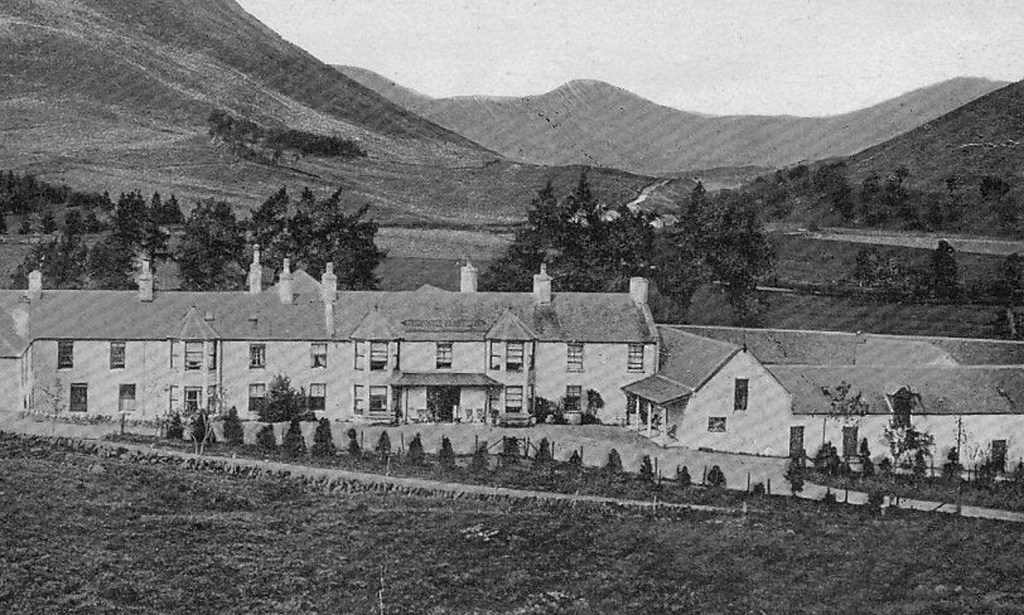
In the early years of the 20th century, the hotel offered guests the pick of 20 bedrooms, a coffee room, smoking room and dining room. It could stable 20 horses and had facilities for those travelling by motor coach or car.
As motoring became more widespread, the hotel enjoyed the patronage of car owners and coach tours, its BP pumps an opportunity to fill up before drivers tackled the notorious Devil’s Elbow, a double hairpin bend with gradients of up to 1 in 3 on the highest public road in Britain, the A93 over the Cairnwell Pass.
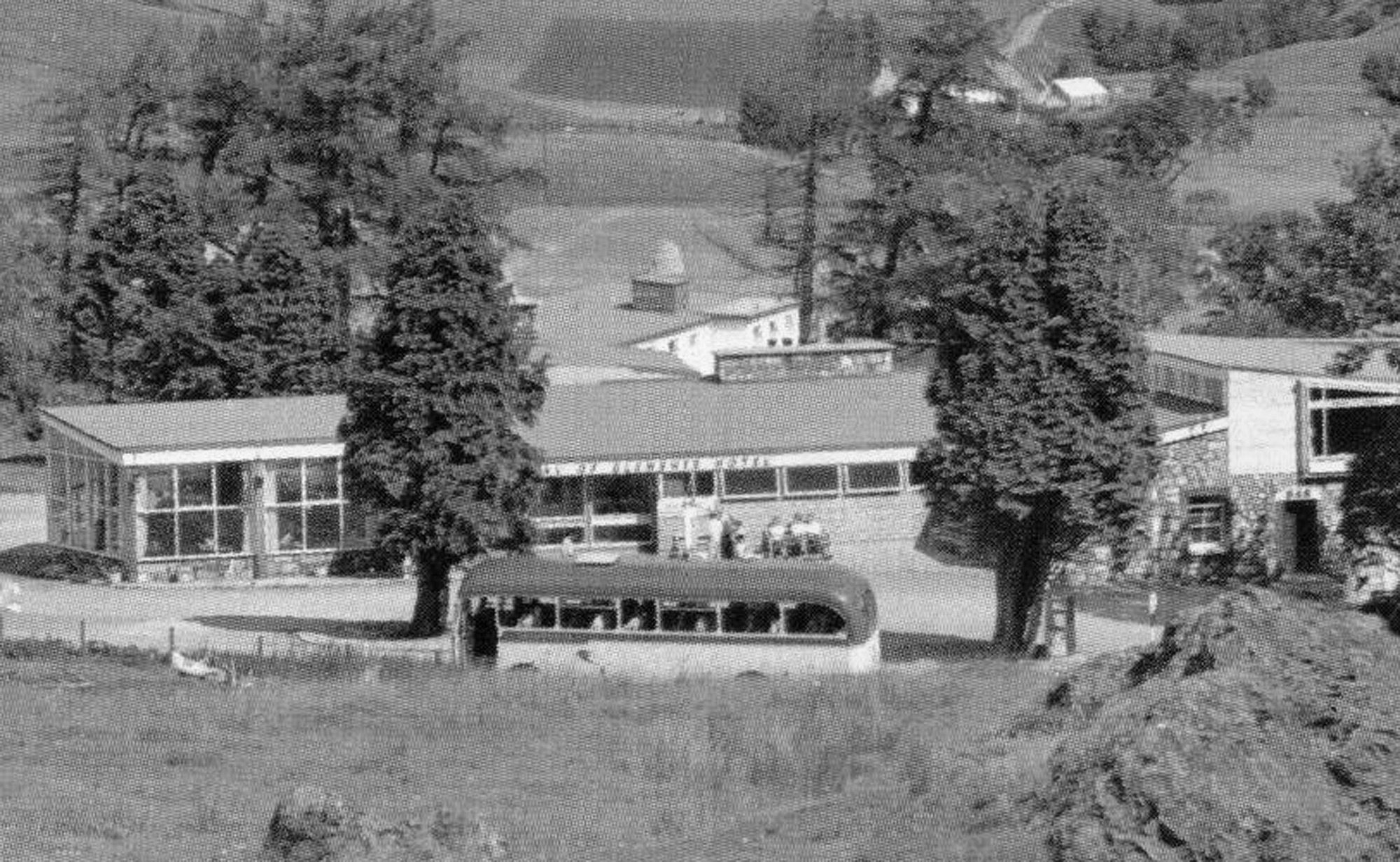
In 1957, a workman stripping paint from the roof of the building sparked a fire that destroyed the original Spittal Hotel. Following its untimely demise, a new company, Spittal of Glenshee Hotel Ltd, was set up in 1958 to redevelop the site. What remained of the original structure was demolished and a new, modern Scandinavian-style hotel rose from the ashes in the early 1960s.
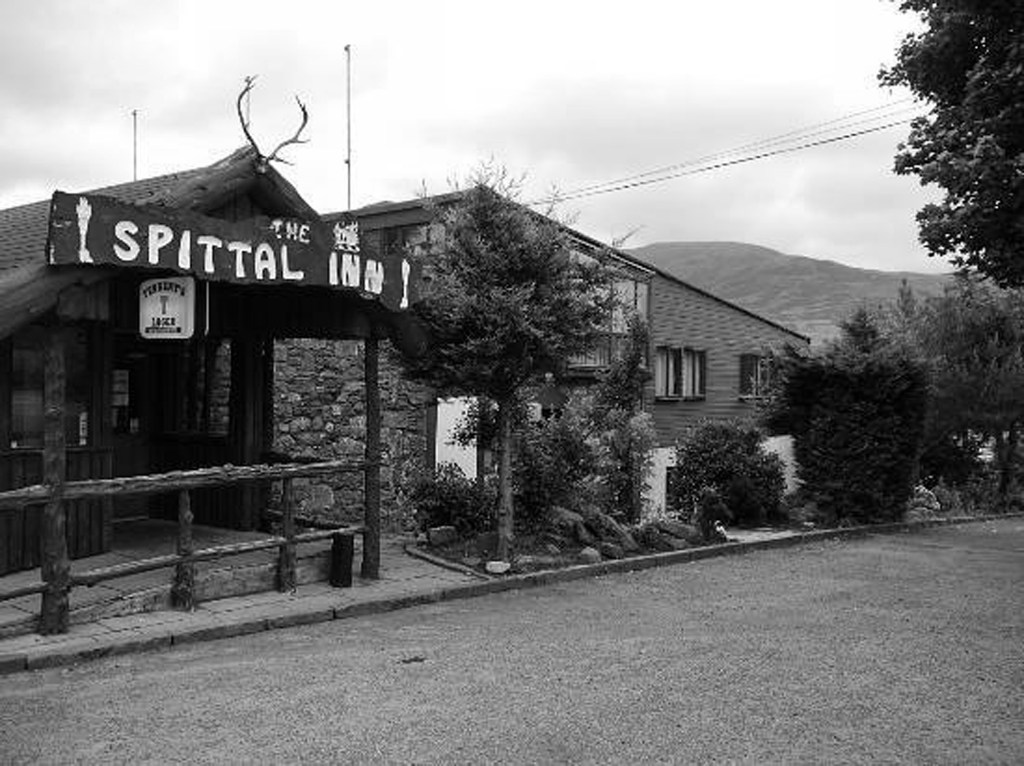
Bright and airy, it incorporated a restaurant, shop and bar. There were fuel pumps at the front, car parks to either side and, to the rear, a three-storey, wooden-clad accommodation block. While the 1970s and 80s were among the best years for ski-ing in Glenshee, the Spittal of Glenshee Hotel did not fare quite so well and, in 1980, the company went into liquidation and the business was wound up. However, the hotel continued to trade under new owners.
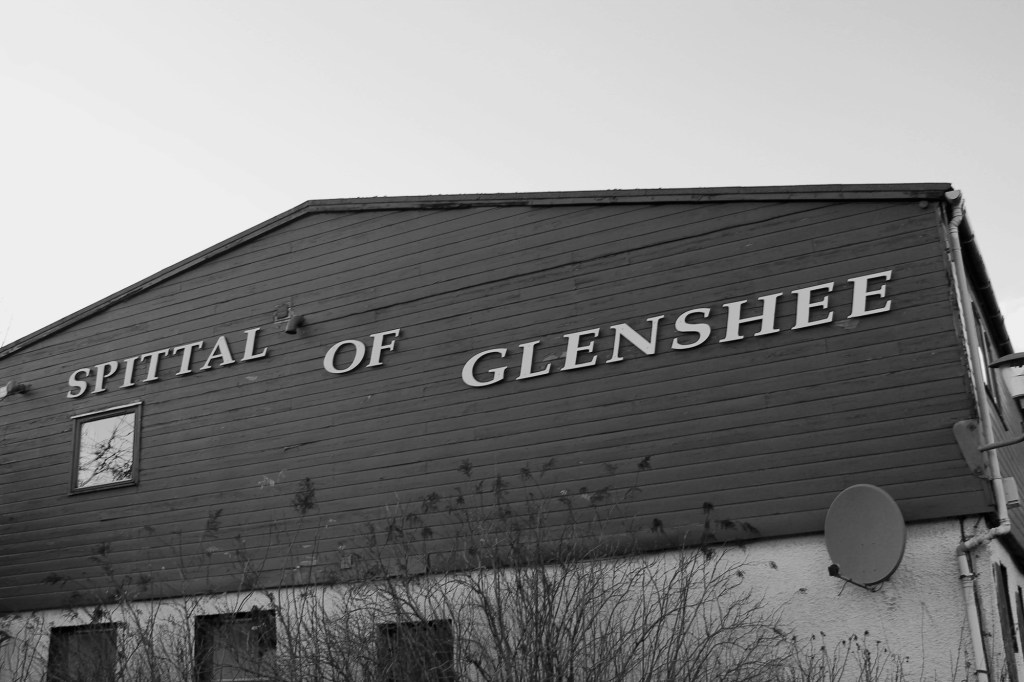
Over the years the hotel has been adapted and extended to meet the needs of both guests and its various owners. The most significant development was the addition of a two-storey wing at the back of the site which increased the number of bedrooms to 54.
In 1987 owners Huntingtower Hotels Company Ltd received planning permission for extensions and alterations at the property. Six years later, in 1993, plans to alter and extend the hotel and erect a heritage centre on the site were also approved.
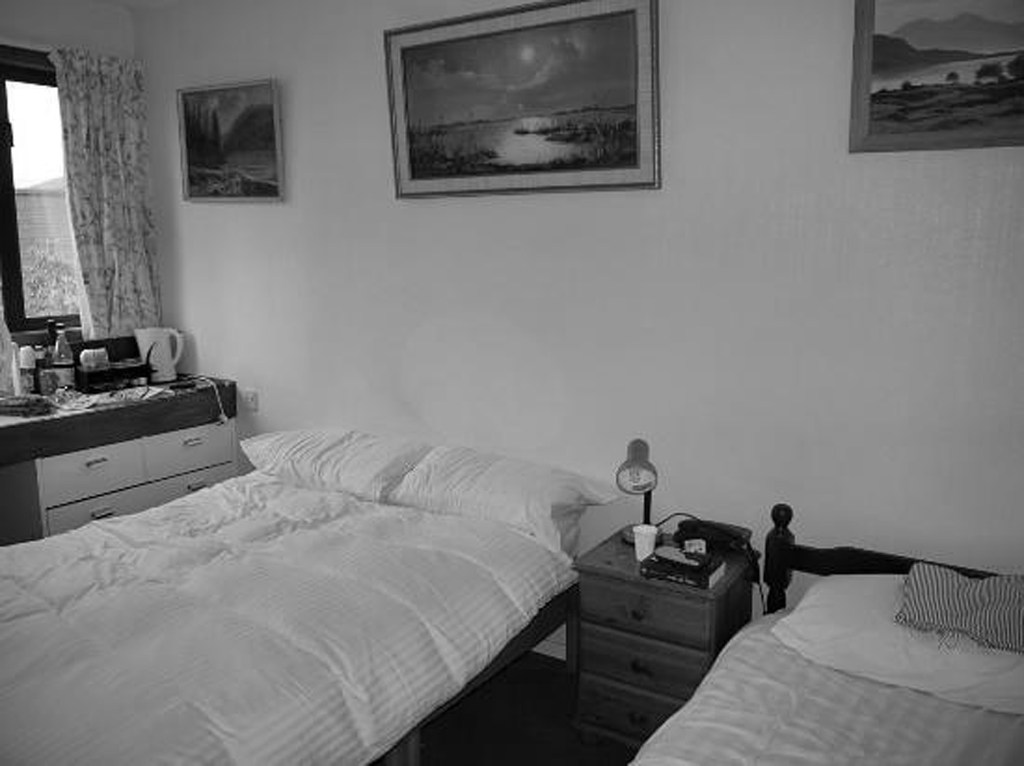
Plans for new signage and flagpoles lodged in the same year were rejected, despite the work having been undertaken, while, in 2004 building warrants were granted for the installation of en-suite facilities in the bedrooms.
The Scottish ski industry has always been at the mercy of the weather and, following a succession of poor winter seasons, the Glenshee Chairlift Company Ltd was forced into receivership in 2004. However, a management buyout ensured ski-ing continued, although a growing trend towards skiers visiting the glen for the day, rather than staying overnight, developed.
Some hostelries on the ski road north from Blairgowrie shut down – the Dalrulzion Hotel and Blackwater Inn along them – while the Spittal of Glenshee Hotel became increasingly reliant on the lower end of the coach party market to fill its rooms. Efforts to bolster income included the opening of a bunkhouse and campsite on the grounds.
In 2008, tour groups were enjoying rates as low as £17.75 a head for dinner, bed and breakfast while individual guests could book in from as little as £20 a night bed and breakfast.
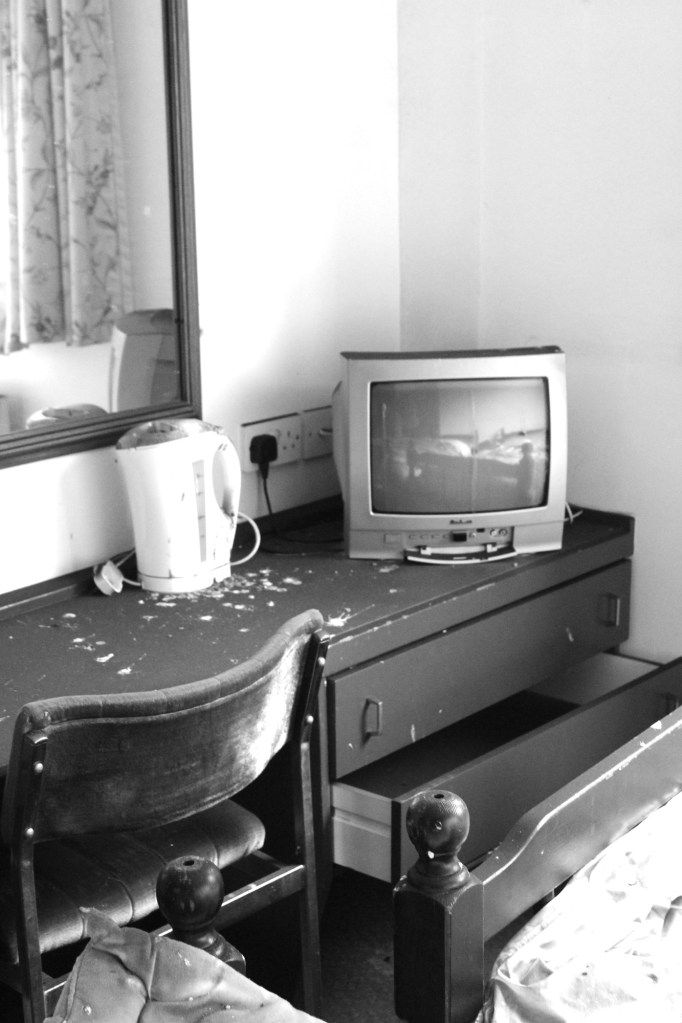
While the hotel continued to enjoy positive feedback from guests until 2013, a spate of unfavourable reviews the following year suggested all was not well. The hotel closed its doors to customers for the last time in June 2014, ostensibly for refurbishment amid rumours the business had either been put up for sale or sold.
Ironically, the proprietors predicted, on a board welcoming visitors to the premises, that the hotel would, once again, burn down. Unfortunately, their estimate of this not happening before 2029 was wide of the mark.
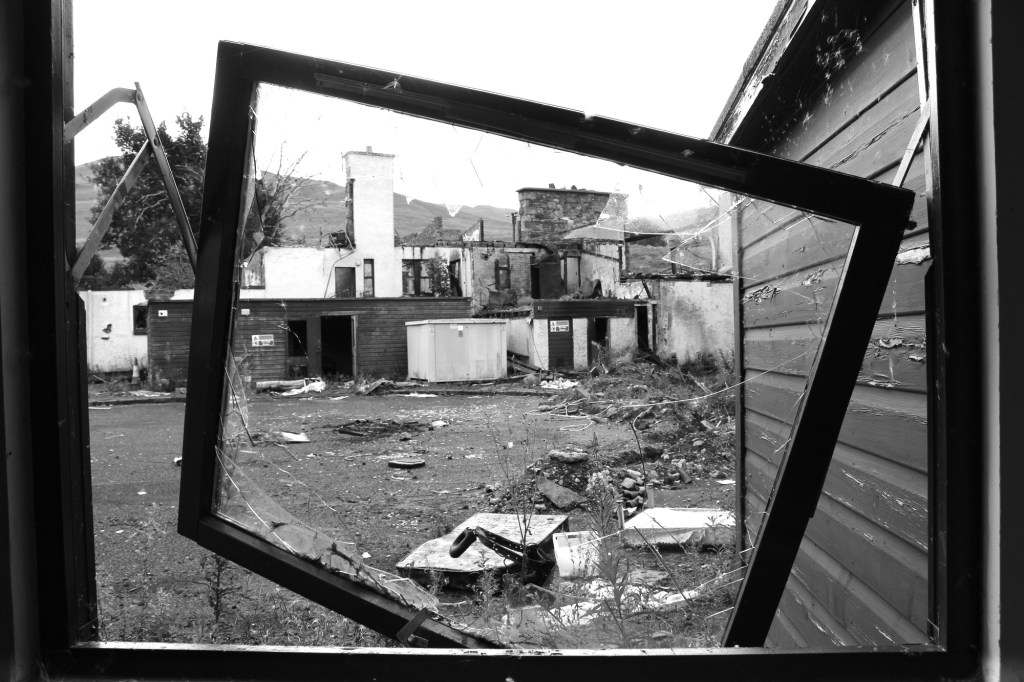
During the early hours of Monday, August 18, 2014, fire broke out. Despite the best efforts of firefighters, by daybreak, a significant portion of the complex had been completely destroyed.
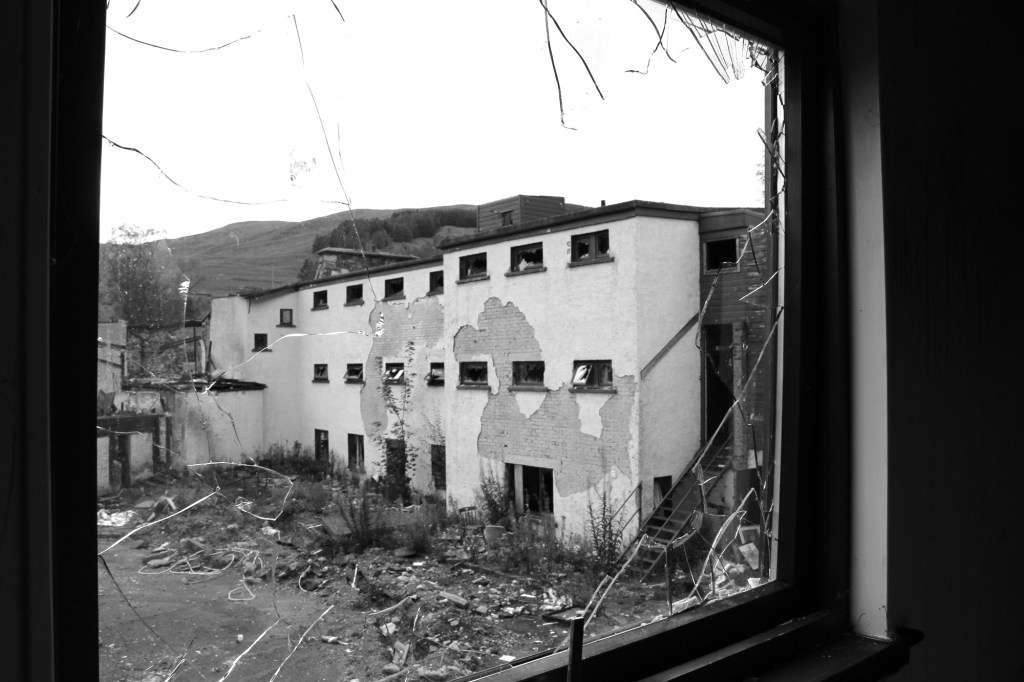
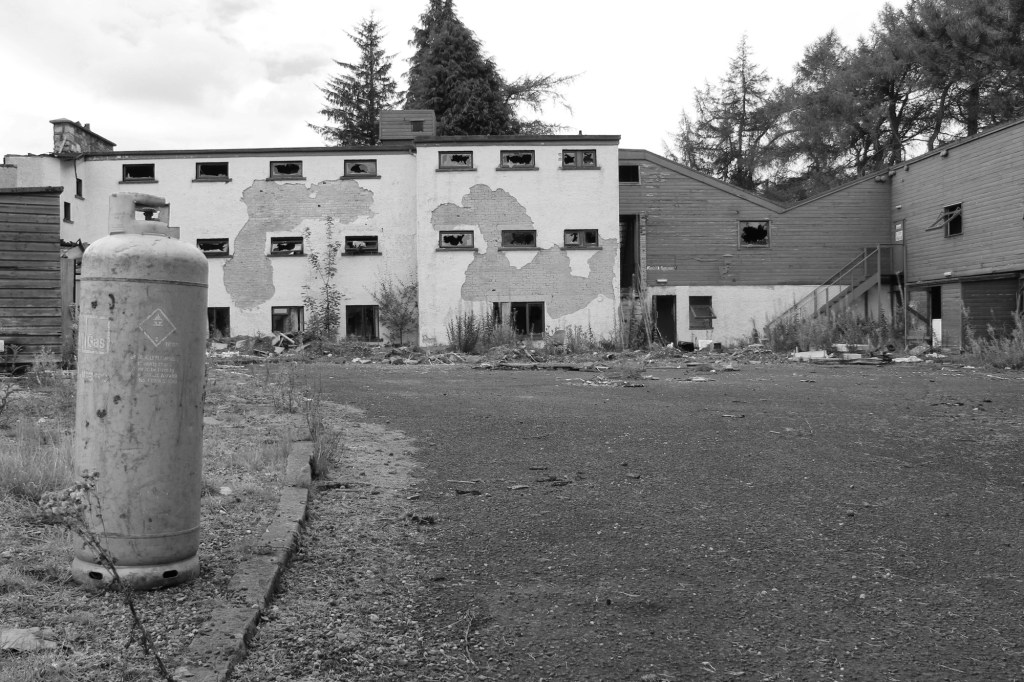
The fire ravaged the front third of the hotel, the section of the building housing the reception, bar, restaurant, function suite, kitchen and stores. All were reduced to rubble. The adjoining three-storey accommodation block, consisting of two floors of guest bedrooms above a basement level of staff accommodation, suffered serious smoke damage on its upper levels, while the two-storey accommodation block at the back of the site escaped unscathed.
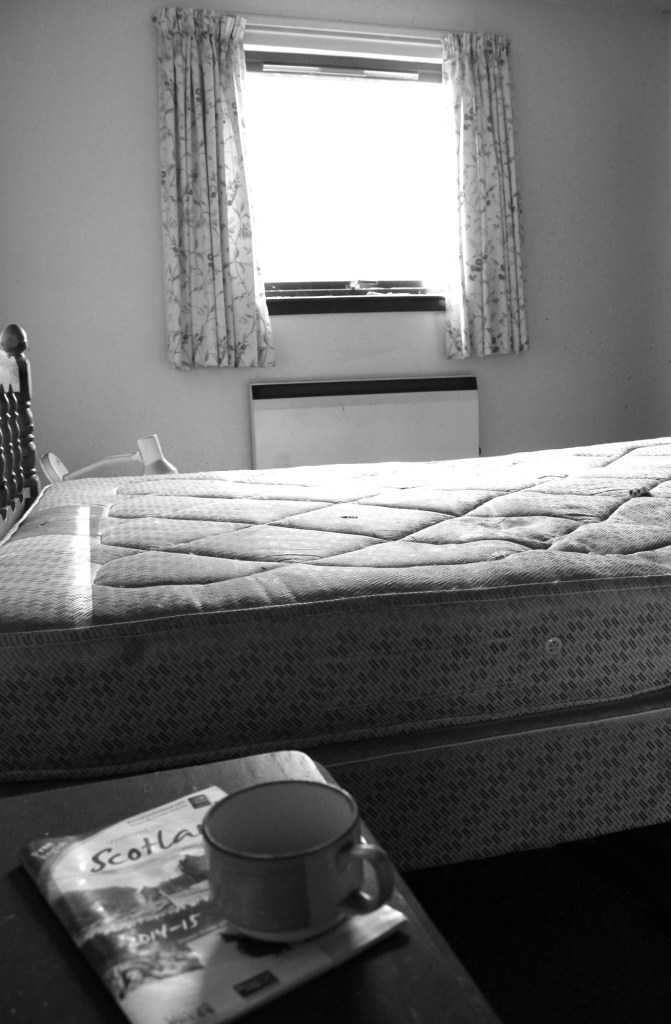
The hotel was empty at the time and there were no casualties. A subsequent investigation by police and the fire service was unable to pinpoint the exact cause of the fire but found no suspicious circumstances.
The site was subsequently put up for sale at offers over £250,000 then again for £500,000 but has remained abandoned and derelict to this day, although there are plans to convert it into a tourism hub with holiday cabins, parking for motorhomes and a restaurant and bar.
If you enjoyed reading this article and found it helpful, you might like to buy me a coffee! to help support the site and the creation of new content. Many thanks!


