
A simple market cross is all that remains of the Perthshire village of Rossie, a once thriving Carse of Gowrie community completely demolished over 220 years ago to make way for a wealthy laird’s rural playground.
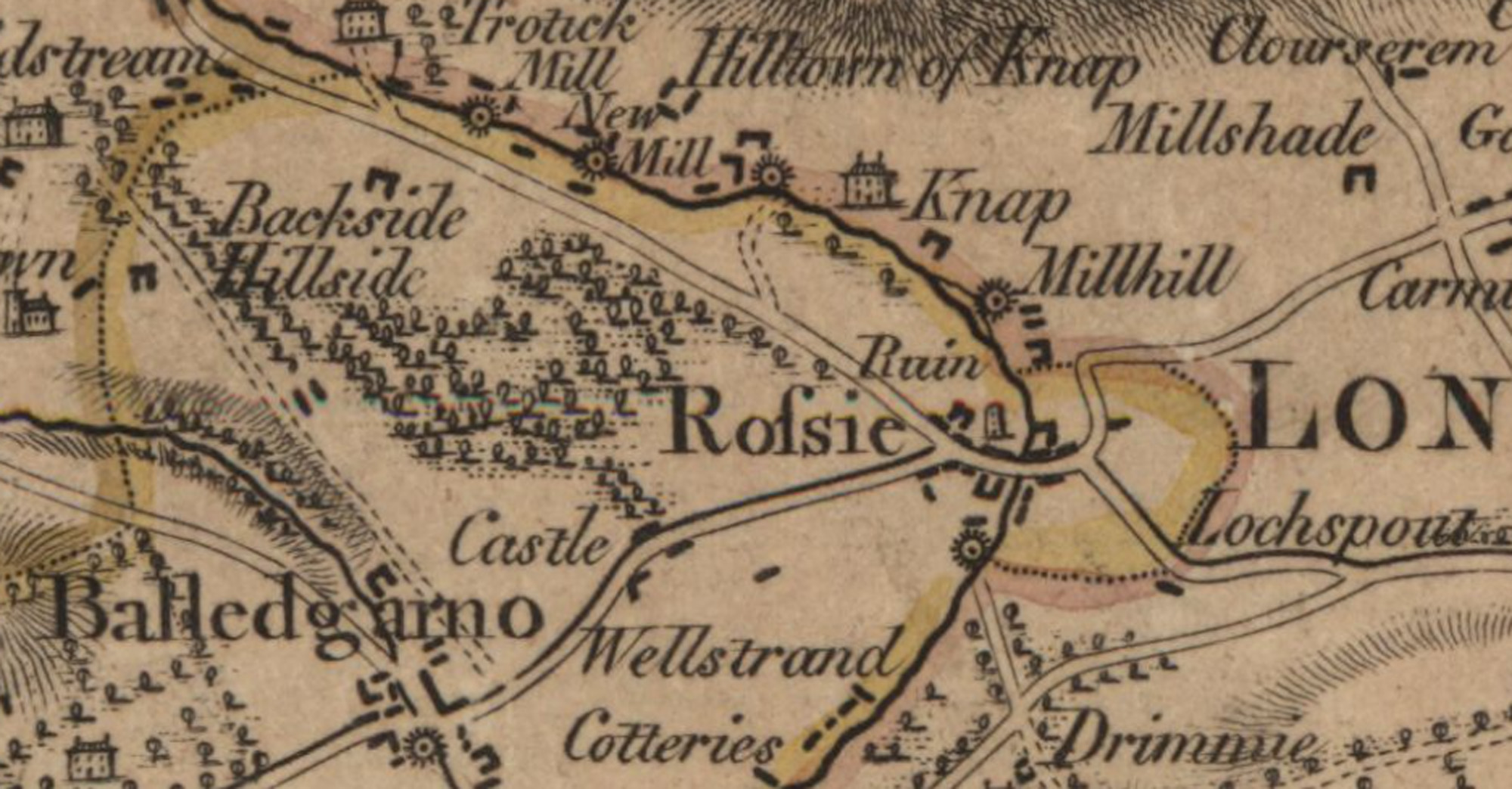
With few traces left on the ground, little is known of the village. However, in addition to the cross, it did have an inn and the cottages were built in a linear pattern along the main Perth to Dundee road, where it crossed Rossie Burn by an old single-arch stone bridge. It was a predominantly farming community but also housed workers who toiled in the mills of Knapp Den, a little way upstream, and the inn suggests it was a popular halt for riders and carriages travelling between Perth and Dundee.
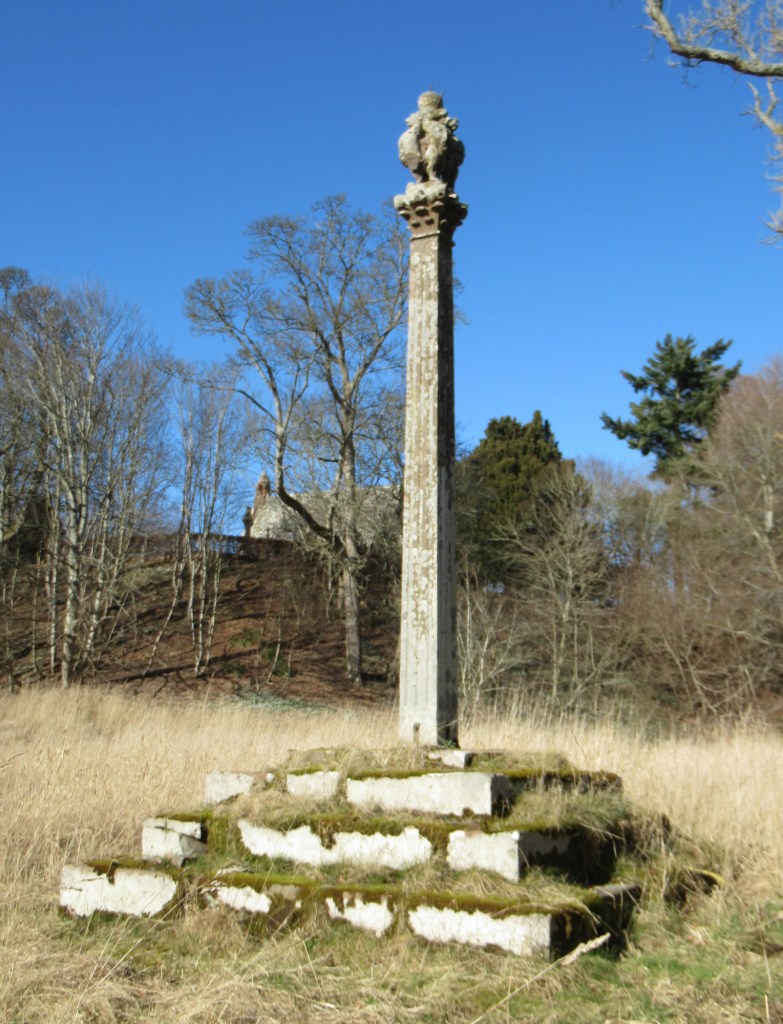
The mercat cross stood adjacent to the inn and a ‘loupin on stane’, which allowed riders to mount their horses, in the centre of the village. Erected atop a four-step stone plynth, the square fluted shaft was topped with two lions, two unicorns and a bull finial. An inscription indicates it dates from 1746.
Just 50 years later, in 1795, George, 7th Earl of Kinnaird, decided there was no longer a place for Rossie on his land. Moving from Drimmie House, a little to the south of the village, he was busy laying out parkland around his new, grander home at Rossie Priory, half a mile to the west. Rossie lay on the periphery of this parkland and, despite being barely visible from the priory, Kinnaird wanted it gone.
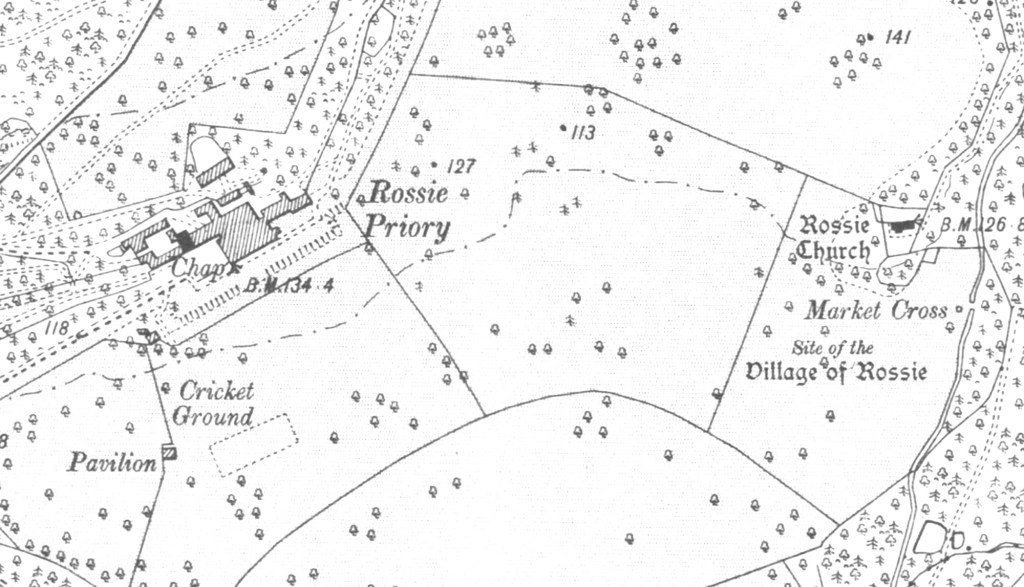
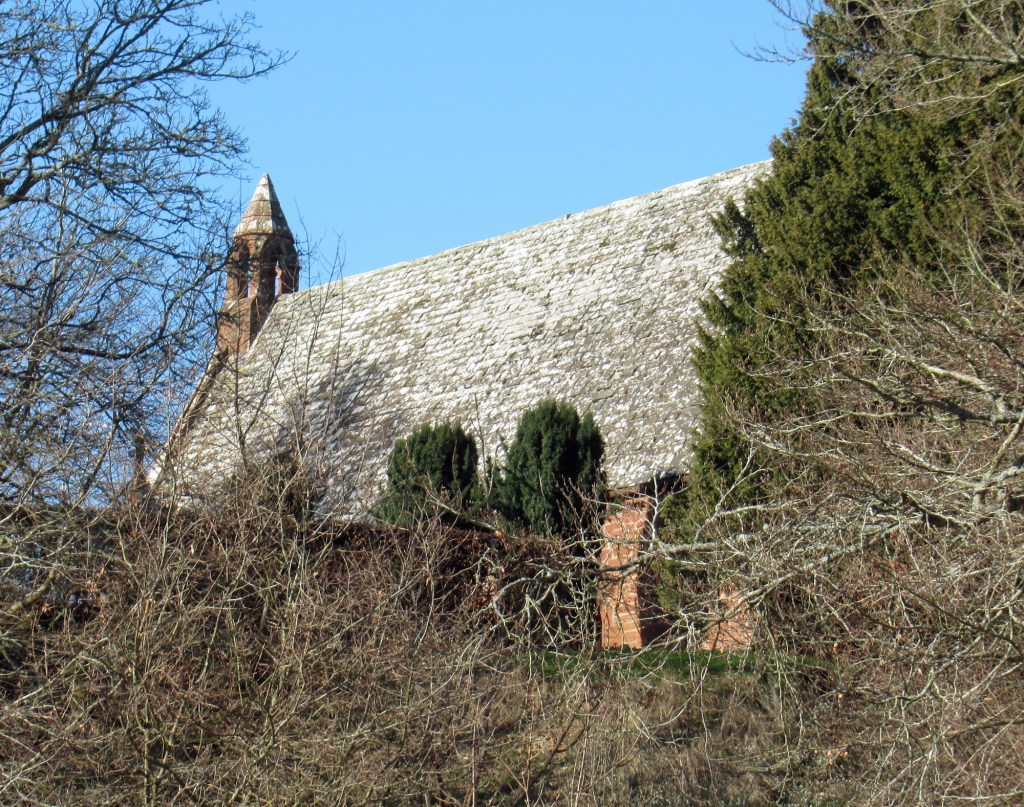
To his credit, he did not simply evict the tenants and burn their houses to the ground (presumably some were in the employ of his estate). Instead, he built a new hamlet of cottages – Baledgarno – by the western entrance to the priory and moved the whole community there. Rossie was then cleared. For reasons unknown, he left the mercat cross standing. The former village church, built on a mound above Rossie and flanked by yew trees, also survived, becoming the family mausoleum.
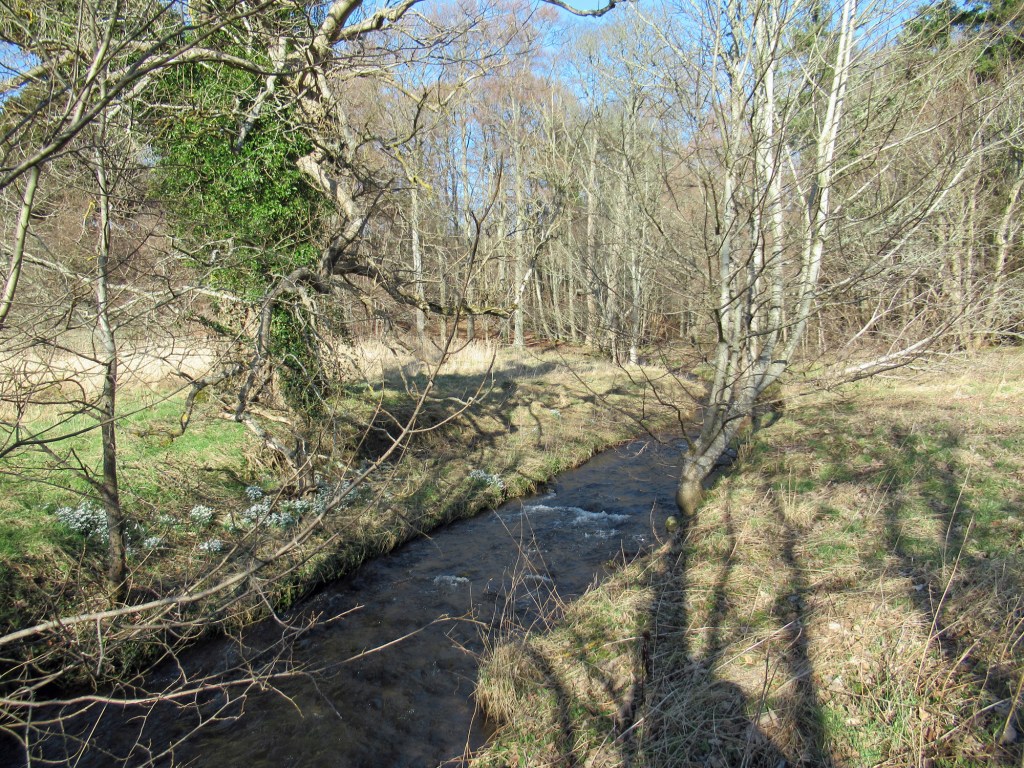
Occupying a patch of rough grassland adjacent to a more recent bridge spanning Rossie Burn, the cross is a scheduled ancient monument and remains within the policies of Rossie Estate. Access to it is neither easy nor invited. It stands about 200 metres west of a wooden gate in a high boundary wall running alongside the Rossie Den road, which links Longforgan with Knapp. The gate is kept firmly locked.
If you have enjoyed this post, and others on the site, you might like to buy me a coffee which helps supports the site and funds new content…


1 Comment