
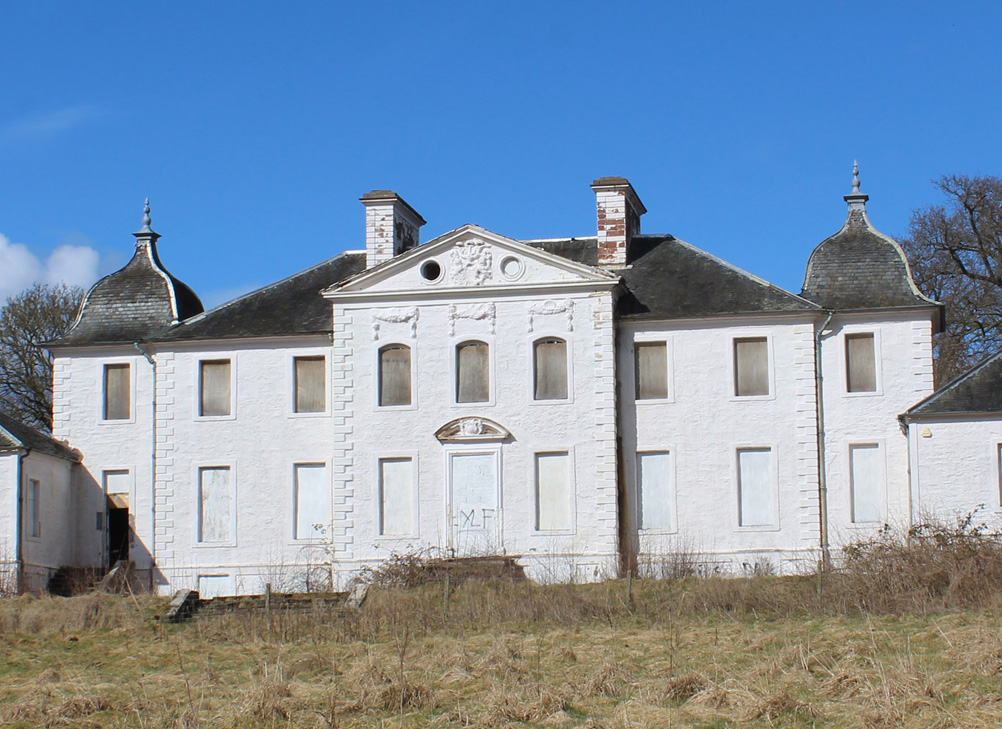
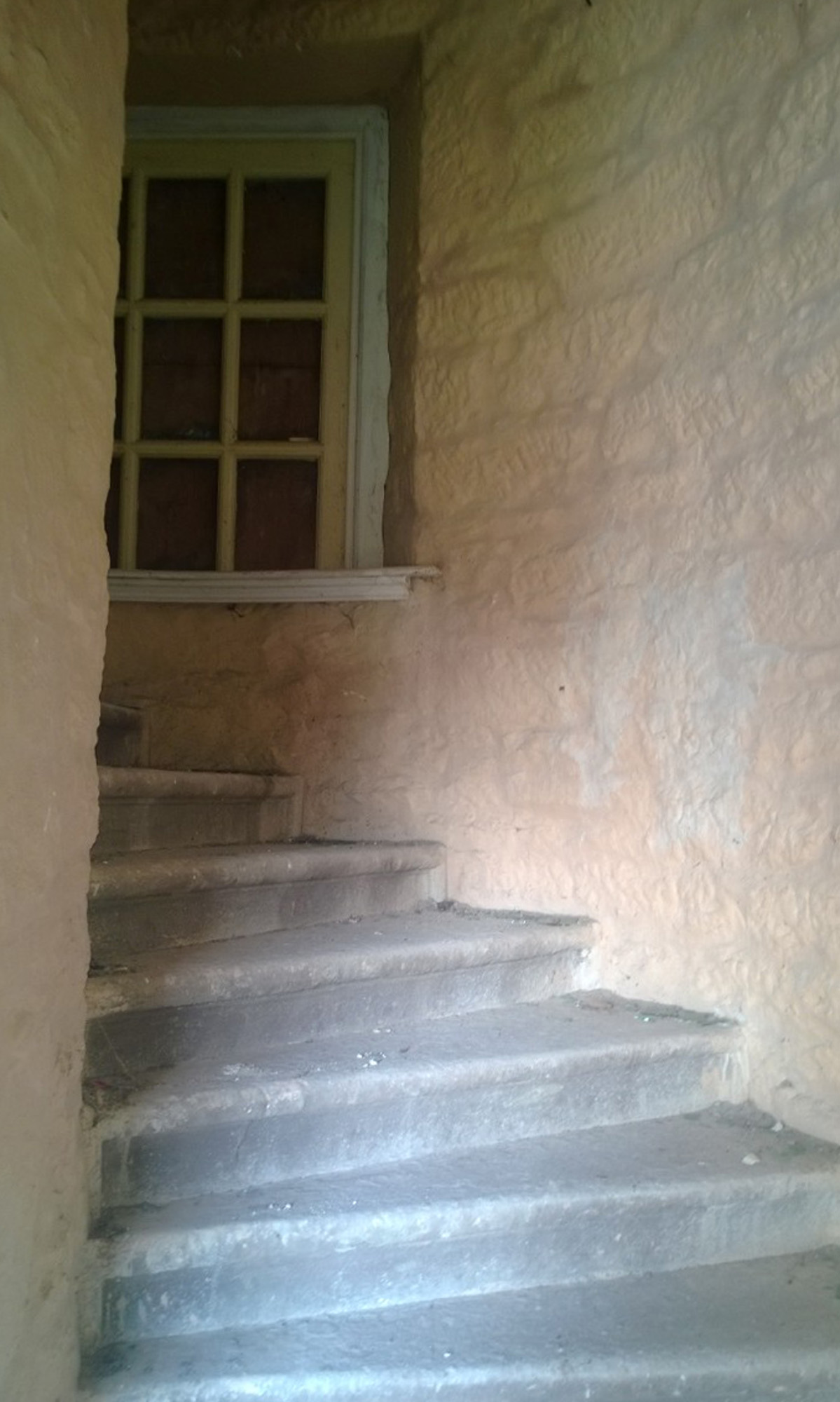
Designed by William Adam and built in the early 18th century, House of Gray (also known as Gray House), on the outskirts of Dundee, has a chequered history. Abandoned after the Second World War, attempts to convert the striking stately home into apartments then a hotel failed to come to fruition and the building, hauntingly pale, lay empty and boarded up for many years.
Two storeys high with attic and basement and wings at each end, the house had 12 bedrooms, a dining room, study, drawing room, entrance hall, kitchen, servants’ accommodation, stables and a coachhouse. It was built in c1715 for the 10th Lord Gray following his purchase of the Benvie Estate. It remained in the family until 1918 when the estate was sold to James Ogilvie who lived in the house until he died in 1936.
At the end of the 19th century, the house was leased for a number of years to the Dundee Royal Lunatic Asylum to relieve overcrowding at nearby Liff Hospital. It provided a better class of accommodation for private patients willing to pay higher rates. The directors of the asylum opted not to renew the lease in January 1901 following completion of a new building on their own site.
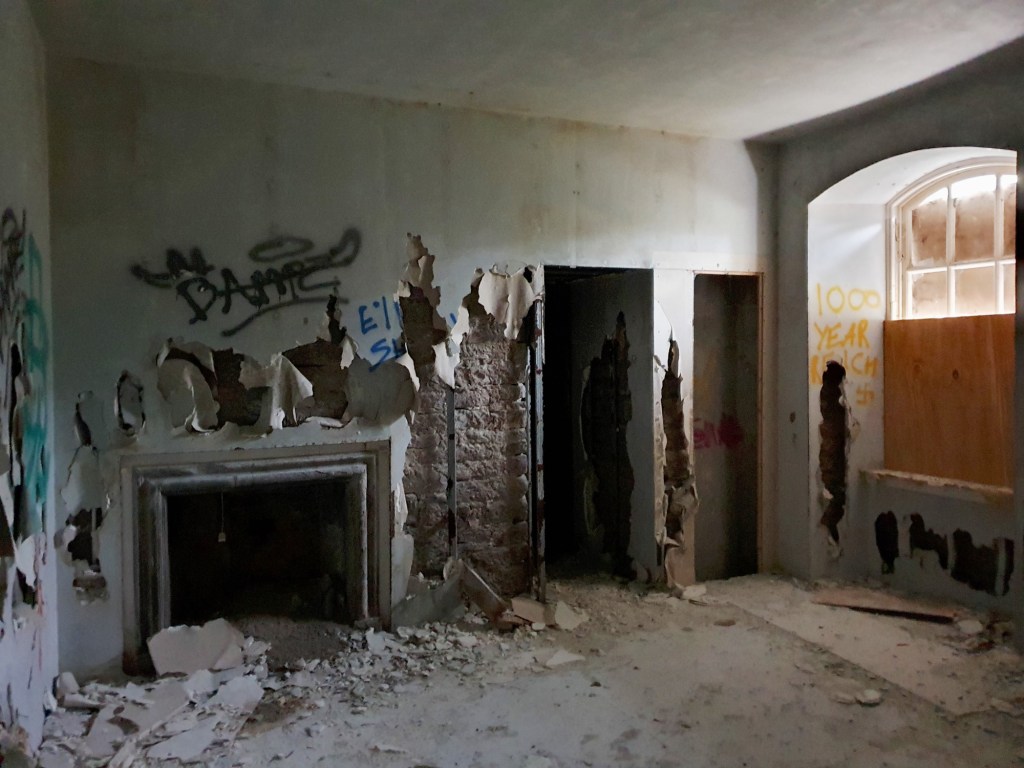
During the Second World War the property housed an orphanage. Sixty-two children from the Dundee Royal Orphan Institution were evacuated to House of Gray where they spent the rest of the war while their home in the city was taken over by the Admiralty. Thereafter, a lengthy period of neglect ensued, with the House of Gray slowly falling into increasing disrepair. Photographs taken in the 1950s and 1960s capture the decline from a derelict mansion with windows and doors mostly intact to an empty stone shell.
Bought by Smedley’s Fruit Farms, Ltd., West Balgillo, Broughty Ferry, in 1972, the house was used as a store for agricultural equipment and a hostel for berry pickers before being sold in 1978 when plans to restore the house and convert it into four apartments were revealed. Despite significant investment, including £10,000 from Dundee District Council and £62,000 paid by the Historical Buildings Society, the £350,000 project faltered and the building was put up for sale, with a knockdown price of offers over £8000.
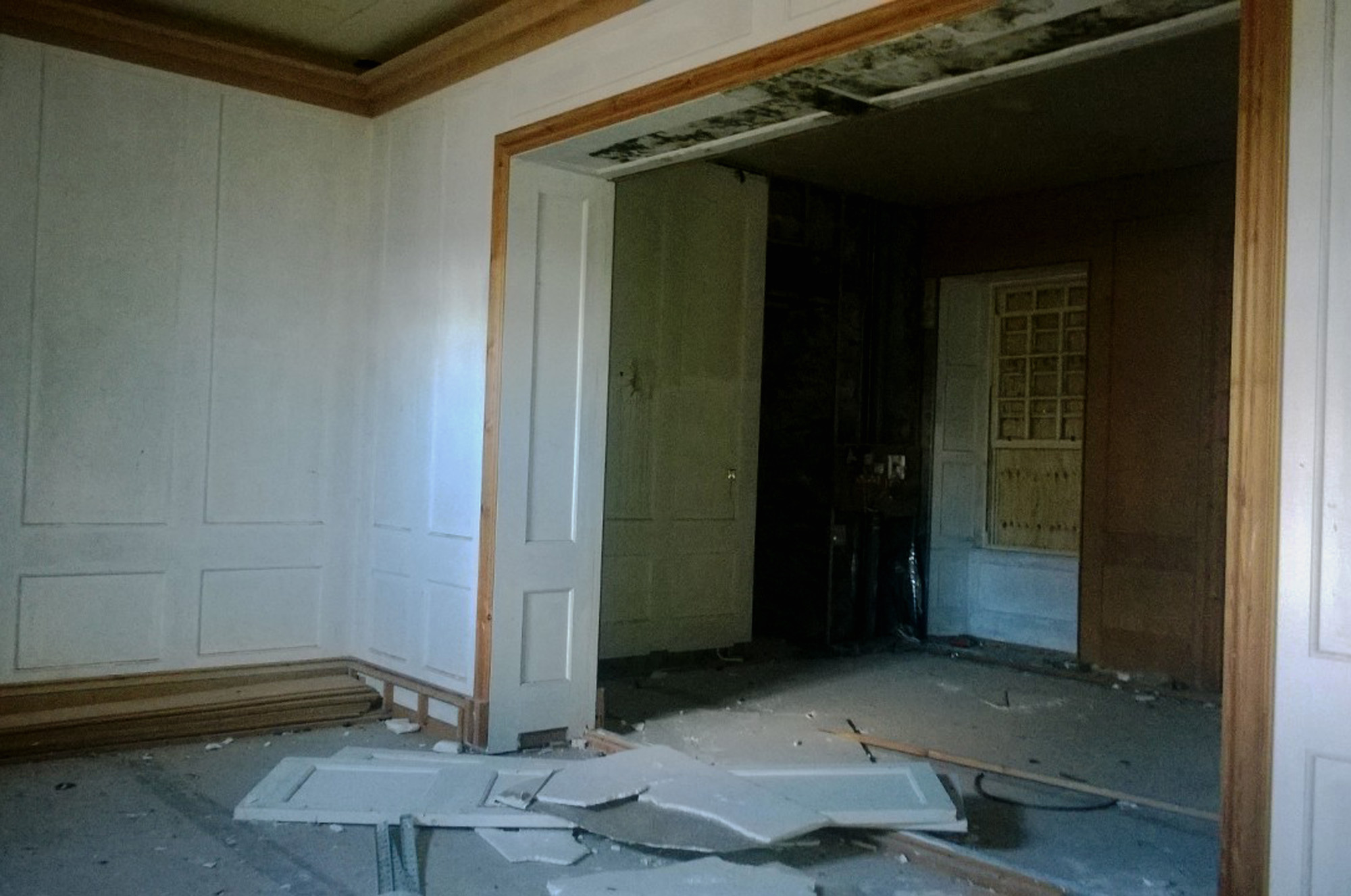
It was later discovered that the house had been stripped of all its 18th-century wood panelling, fireplaces, and brass fittings during the refurbishment.
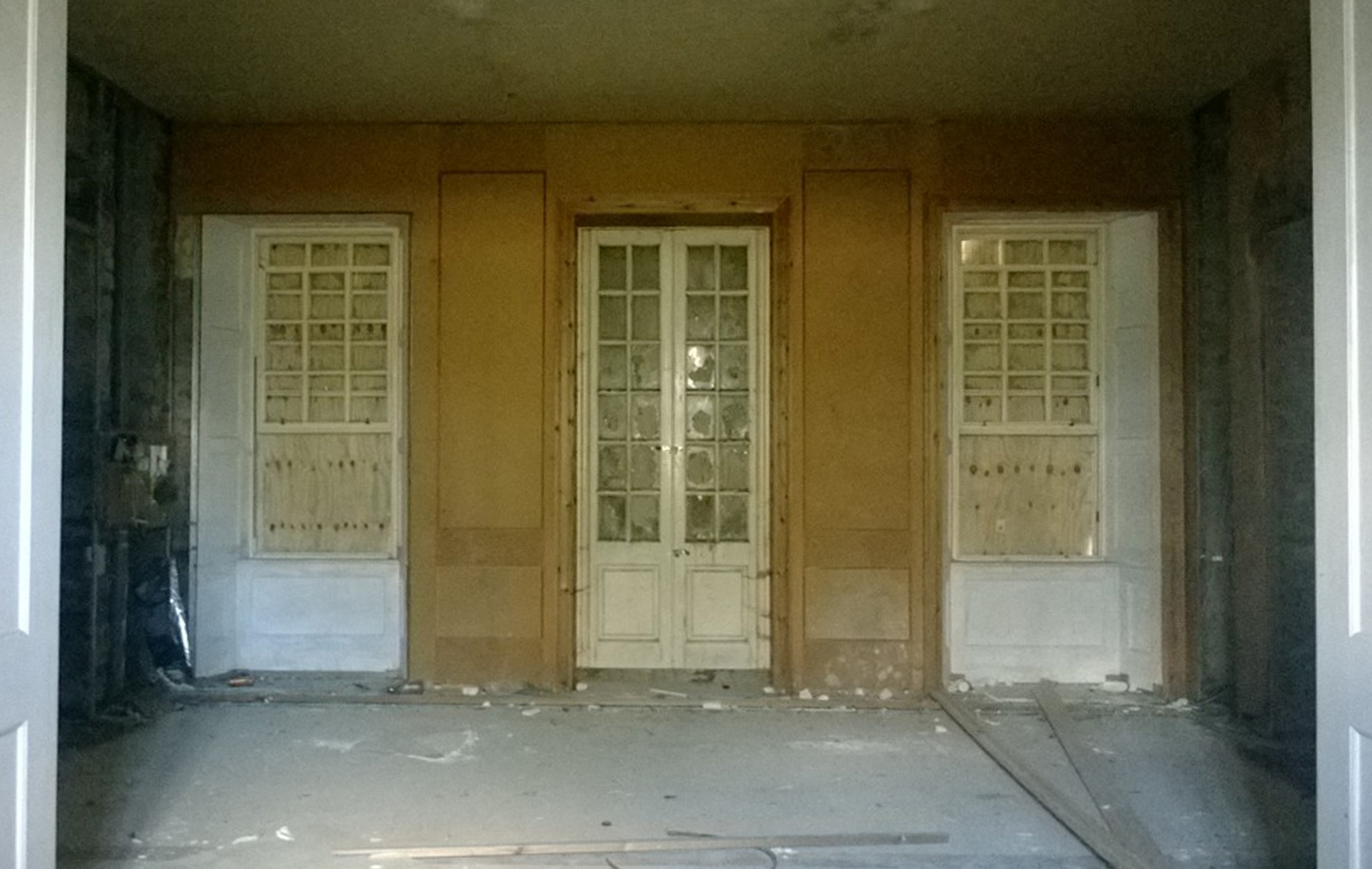
In 1988, a Glasgow-based consortium began work on restoration as part of a plan to create a restaurant and conference centre with five bedrooms. They intended to add a 35-bedroom extension and leisure club. However, the project, which was targeted by vandals and thieves, failed, and the Category A-listed house was put up for sale in 1990.
In 1991 it was bought by a group of private investors who intended to redevelop the house as a 40-bedroom hotel and conference centre complete with golf course, clubhouse and chalets. After securing £2 million, restoration proceeded apace over the next few years. The building was re-roofed, the exterior renovation was completed and much of the interior work was done. However, the money, which included a £270,000 Government grant and deposits paid by golfers, ran out and, in 2005, despite pleas for new investors, House of Gray was back on the market.
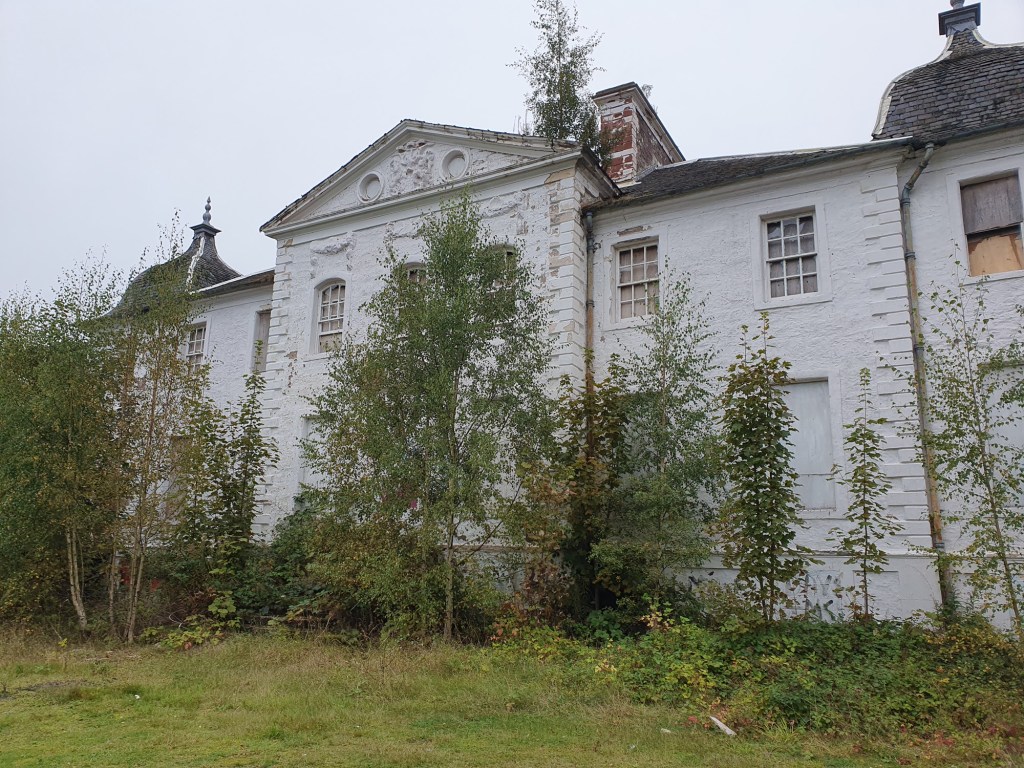
With no one else as yet prepared to sink more cash into the property, it remained empty and was once again boarded up, for two decades, suffering bouts of vandalism and graffiti and occasional small fires.
Now, however, it is at the centre of a restoration designed to convert the property into a venue for weddings and events. Work is currently underway on the £500,000 restoration being undertaken by Perthshire-based Silverwood Resorts, and the company’s website includes artistic renderings showing how it will look once completed. The house is scheduled to reopen Summer 2026.
Click here for a video of House of Gray
If you have enjoyed this article, you might like to help with a future research project or PayPal.me.


My mother grew up in this house in the 30s and 40s..when it was an orphanage
LikeLike
where exactly is it? I understand a U.S. investor and descendant from the Gray family is the new owner and Lord. There is a major restoration going on. I can’t locate it on Google Earth. Thank you.
LikeLike
House of Gray, Invergowrie, Dundee, Scotland, United Kingdom, DD2 5JZ
LikeLike
I have photos of this manor listed in my family tree when my great uncle traced our Gray family orgins to it. Incredible that it’s still there. Would be amazing to see it restored.
LikeLike